Teaching and studying both come with heavy workloads. Teachers spend weekends building lesson plans, writing rubrics, and grading stacks of essays, leaving little energy for interactive classroom time. At the same time, students easily fall behind when they hit a difficult concept and lack access to immediate guidance. Balancing administrative demands with individual learning needs is a constant struggle.
The educational tools in this category act as supportive teaching and study assistants. They handle routine formatting, generate fresh practice materials, and adapt to different learning paces without replacing passionate educators or the genuine effort required for real learning.
Supporting Teachers and Empowering Students
Lesson planning and curriculum design get a major speed boost. Coming up with engaging classroom activities, differentiated reading materials, and custom quizzes for varied skill levels usually takes hours of prep work. Smart lesson assistants help teachers generate targeted exercises, discussion prompts, and grading rubrics in minutes—providing a solid draft you can tweak to match your specific curriculum standards.
Personalized tutoring gives students extra support whenever they get stuck on homework. When working through complex math equations or studying historical events, learners often need concepts explained in fresh ways. Intelligent study platforms act as patient tutors, breaking down difficult topics step by step, answering questions, and generating practice problems tailored to a student’s current understanding.
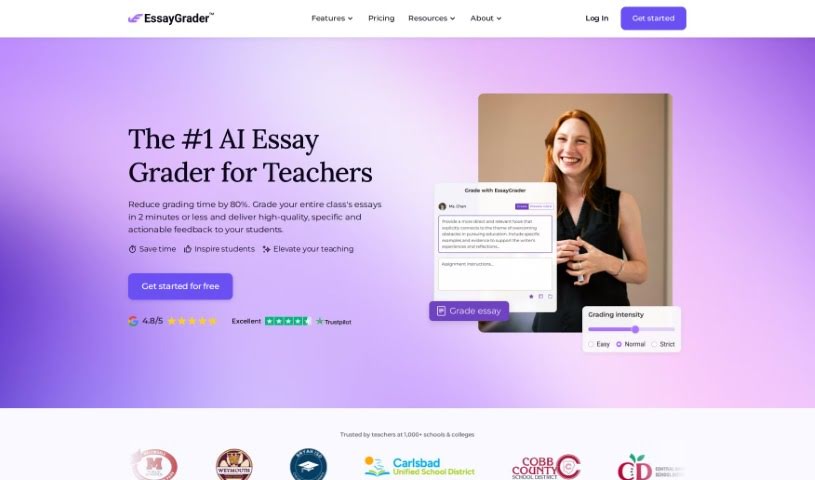
Grading and feedback workflows become far more manageable, too. Reviewing dozens of student essays to offer detailed commentary takes immense time. AI feedback tools scan drafts for grammar, structure, and clarity, offering quick initial notes so students can revise their work before final submission. Teachers get to spend less time marking paper and more time guiding students directly.
Key Capabilities for Classrooms & Study:
- Automated quiz and worksheet builders: Tools that turn text passages or lesson notes into custom practice quizzes and flashcard decks instantly.
- Adaptive learning paths: Systems that adjust exercise difficulty based on student performance to keep learning engaging and manageable.
- Differentiated instruction tools: Features that rewrite reading material across multiple grade levels while preserving core lesson concepts.
- Academic integrity checkers: Software that scans submitted work for potential plagiarism and uncredited sources to support honest academic work.
- LMS platform integration: Connectors that sync directly with systems like Google Classroom or Canvas to keep assignment tracking smooth.
Great education will always depend on human mentorship, encouragement, and curiosity. Software can’t inspire a struggling student or replace the warmth of a dedicated teacher. But letting smart tools handle lesson drafts, basic grading, and study exercises gives both educators and students the breathing room needed to focus on meaningful learning.
Browse the educational tools below to improve your classroom or study routine.
- Grammarly: Helps monitor grammar in student essays.
- Duolingo: Offers a personalized language learning experience.
- Quill Bot: Aids in paraphrasing for better understanding.
- 777ccc.com: Summarizes YouTube videos, pulling the key points from long content.
- Duplichecker: Checks student papers for originality.
- NotebookLM: Acts as a smart study companion for students.
- Turnitin: Helps verify academic integrity.
- Chegg: Offers homework help and study resources.
- GPTZero: Ensures authenticity in student submissions.
- Grammarly AI Plagiarism Checker: Helps maintain academic integrity in assignments.
- LanguageTool: Enhances student writing skills.
- QuillBot Paraphrasing Tool: Effectively rephrases study materials.
- Gauth: Provides STEM-focused live tutoring support.
- NoteGPT: Creates flashcards from study materials.
- Undetectable AI: Helps create personalized learning resources.