Spending weeks reading through hundreds of journal articles, cleaning raw lab data, and wrestling with complex scripts can slow down even the most exciting research. Between scanning literature backlogs, running statistical models, documenting lab protocols, and formatting journal submissions, routine paperwork often keeps you away from actual scientific discovery. When manual data prep and literature searches consume your week, making progress gets tough.
Designed for academic researchers, laboratory scientists, data analysts, and postdocs, these AI platforms act as high-speed research partners. They synthesize literature, automate data cleaning, and draft clear manuscript summaries in seconds without replacing critical thinking, rigorous methodology, or peer review.
Accelerating Research Workflows
Mapping complex literature fields and finding relevant research takes minutes instead of weeks. Searching traditional databases with rigid keywords often misses related studies or cross-disciplinary insights. Modern AI research assistants analyze millions of peer-reviewed papers, extract core methodologies, and build interactive citation maps, helping you trace how scientific concepts develop over time without reading every paper cover to cover.
Accelerating data analysis and scientific computing reduces tedious scripting hours. Cleaning noisy experimental datasets, writing custom Python scripts, and running regression models can easily stall your research momentum. Intelligent data analysis tools help run complex statistical tests, spot anomalies in raw measurements, and convert raw data tables into clear, publication-ready visualizations.
Drafting research papers and formatting journal submissions becomes far less tedious, too. Translating raw notes, statistical outputs, and figures into a cohesive manuscript requires precision. AI writing assistants help structure research drafts, verify complex technical terms, format citations automatically, and check style guidelines for specific academic journals.
Key Features to Look For:
- Semantic paper search and synthesis: Tools that scan peer-reviewed databases to extract key findings, methodologies, and study limitations.
- Automated statistical and data analysis: Software that parses raw experimental files, runs statistical models, and flags outliers automatically.
- Citation and reference management: Features that organize source files, auto-generate inline citations, and reformat bibliographies for target journals.
- Academic writing and tone checks: Writing assistants tailored for technical clarity, grammar precision, and academic style guidelines.
- Data privacy and source attribution: Platforms that provide clear citations for generated text and ensure non-public research data remains secure.
Scientific breakthroughs will always depend on human curiosity, empirical rigor, and original hypotheses. Software can map a citation network, organize raw data, or format a bibliography, but interpreting the results and advancing scientific knowledge requires a human mind.
Take a look through the options below to find the right scientific assistant for your laboratory or workspace.
- Picture This - Plant Identifier App: Great for researching plant species when you’re out in the field.
- Pubcompare: Helps streamline comparing research protocols.
- Atmo AI: Offers advanced weather prediction tools for research.
- Unlearn: Used for refining data to improve research accuracy.
- Drug Card: Helps make local literature analysis more efficient.
- Our Next Energy: For advanced battery research and development.
- Olio Labs: Useful for combinatorial analysis of protein interactions.
- MirrorThink: Provides data visualization for research analysis.
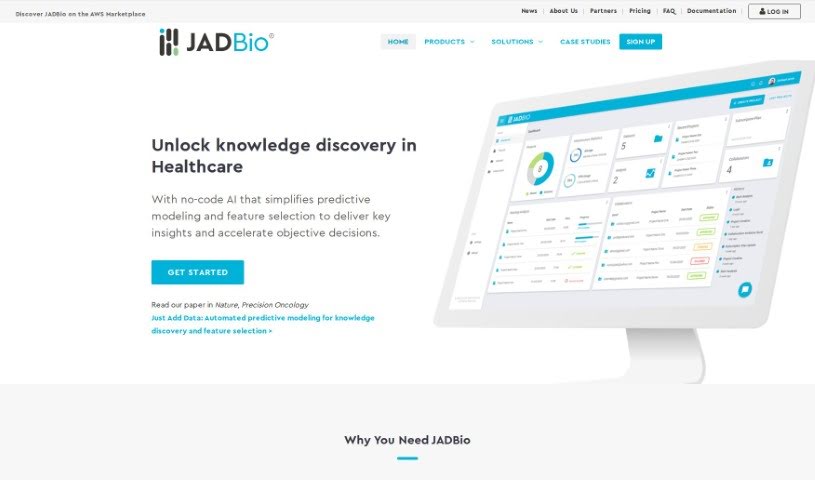
- JADBio: Aids in biomarker validation for research studies.
- Rejuve AI: Offers dynamic models for aging research tools.
- Eplant Treetag: Delivers real-time data for tree research analysis.
- Telborg: Supports research for energy innovations.
- Meta I-JEPA: Helps analyze large datasets for research insights.
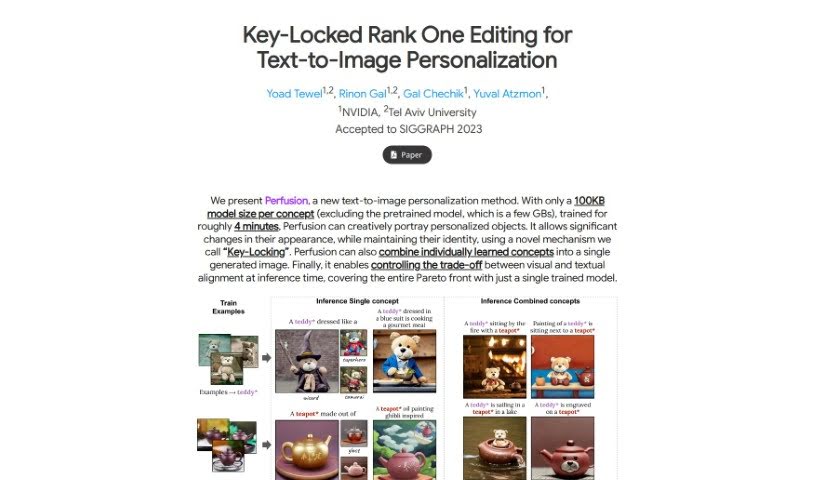
- NVIDIA Perfusion: For studying drug effects in vitro models.
- Quantum Boost: Optimizes synthesis routes for drugs.