Anyone who has ever written a research paper knows the quiet dread of building a bibliography. You finish drafting your main arguments, and then you spend three painful hours checking periods, commas, and italicized volume numbers across fifty different references. One misplaced comma or outdated publication date can feel like a frustrating distraction from your actual research.
Rather than doing your critical thinking or choosing your sources for you, the citation tools in this category act as specialized editorial assistants that track, format, and verify your references in seconds.
Streamlining the Reference Process
Instead of endless manual typing, modern AI citation generators extract metadata straight from uploaded PDFs, webpage links, or Digital Object Identifiers (DOIs). They pull out author names, journal titles, volume numbers, and publication dates automatically. If your professor or publisher requests a quick switch from APA 7th edition to IEEE or Harvard style, you can reformat your entire reference list with a single click.
These platforms also help you evaluate how sources are actually used in scientific literature. Rather than treating every reference like a static link, intelligent systems analyze citation context. They can tell you whether subsequent studies supported, disputed, or simply mentioned a paper’s findings. This makes it much easier to verify your sources and avoid citing outdated or questioned claims.
Integrating references directly into your writing workflow is another major advantage. Modern tools link directly into word processors like Microsoft Word, Google Docs, or LaTeX editors. As you draft a paragraph, the assistant searches your research library and suggests matching inline citations, so you get accurate references without breaking your concentration.
Key Features for Researchers:
- Style conversion accuracy: Tools that support thousands of citation styles and update automatically when style manuals change.
- PDF metadata scanning: Applications that pull accurate publication details straight from uploaded document files or DOIs.
- Citation context analysis: Systems that show how other researchers have cited a source, helping you verify whether findings hold up.
- Word processor integration: Extensions that link with Google Docs, Word, or LaTeX for quick in-text referencing as you write.
- Reference library syncing: Software that connects smoothly with existing reference managers like Zotero or Mendeley to keep your files organized.
Citations ground your work in real evidence and give proper credit. While software handles the repetitive formatting, alphabetical sorting, and punctuation rules behind the scenes, your critical judgment still decides which sources build your argument.
Take a look through the tools below to simplify your next paper.
- Chegg: Great for citing sources in academic papers.
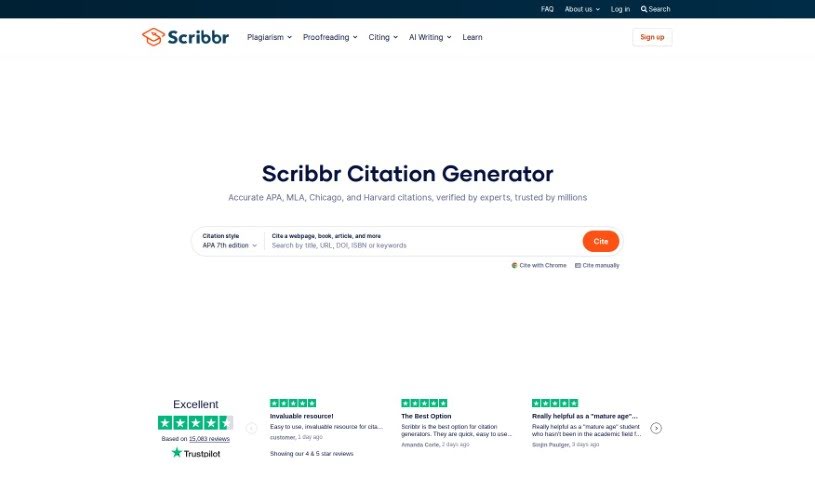
- Scribbr Citation Generator: Makes creating accurate bibliographies simple.
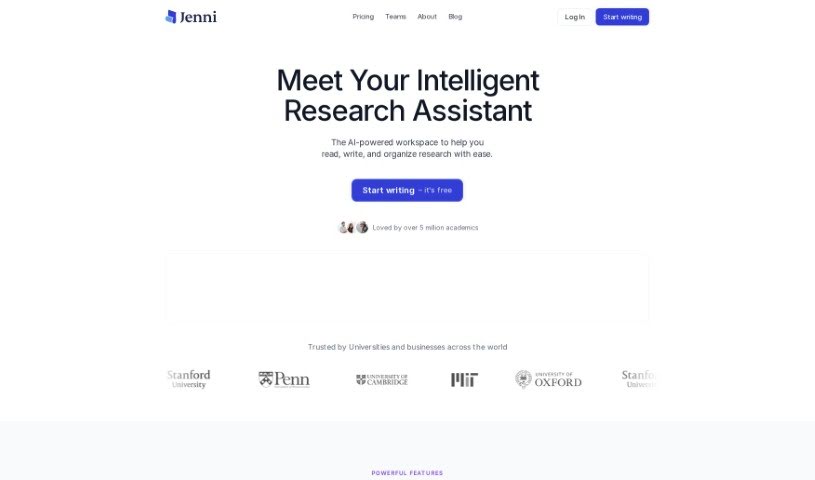
- Jenni AI: Academic writing assistant with citation tools and research summaries.
- QuillBot Citation Generator: Helps you create accurate academic references.
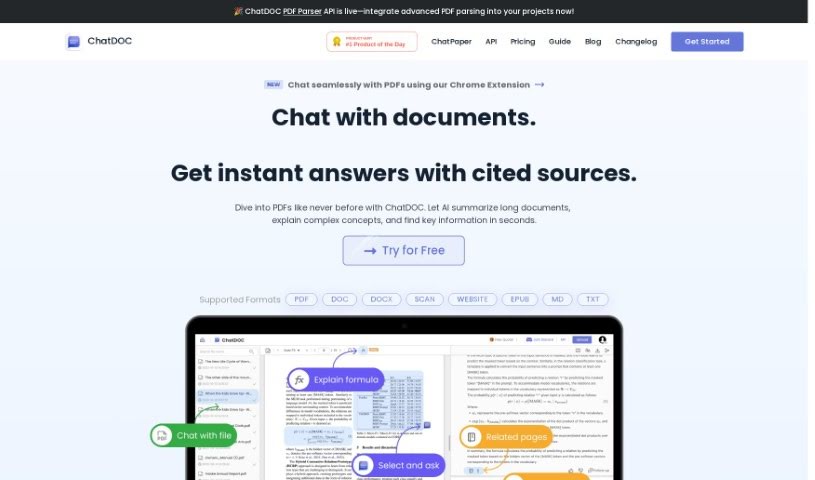
- ChatDOC: Lets you cite sources as you chat with your documents.
- Sourcely: Easily export citations in many different formats.
- Lunchbreak AI: Streamlines citation generation without any fuss.
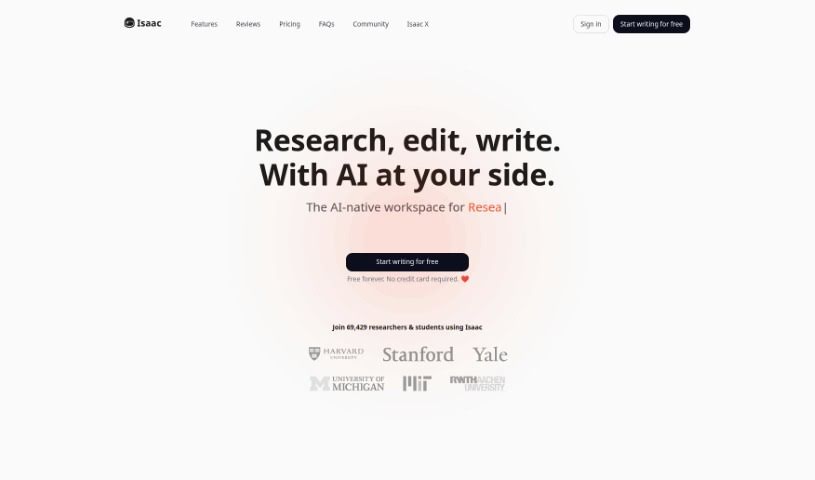
- Isaac Editor: Manages citations for essays effortlessly.
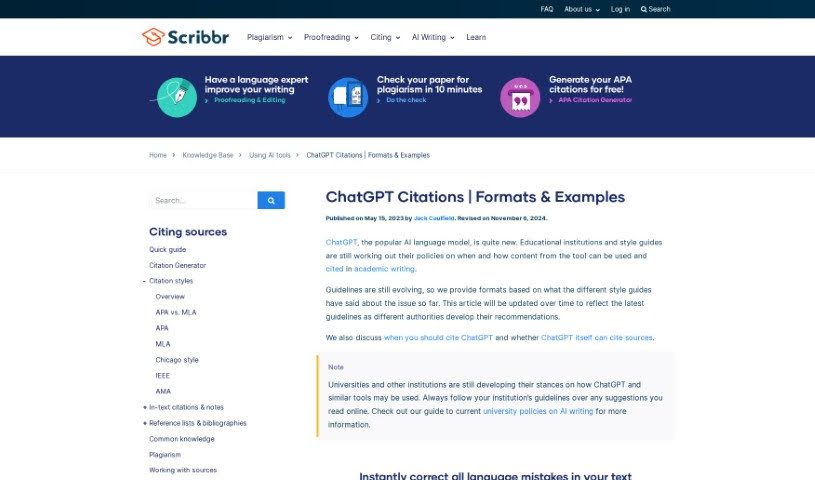
- Scribbr ChatGPT Citation: Creates accurate references with ease.
- Free AI Essay Writer: Accurately cites sources in essays.
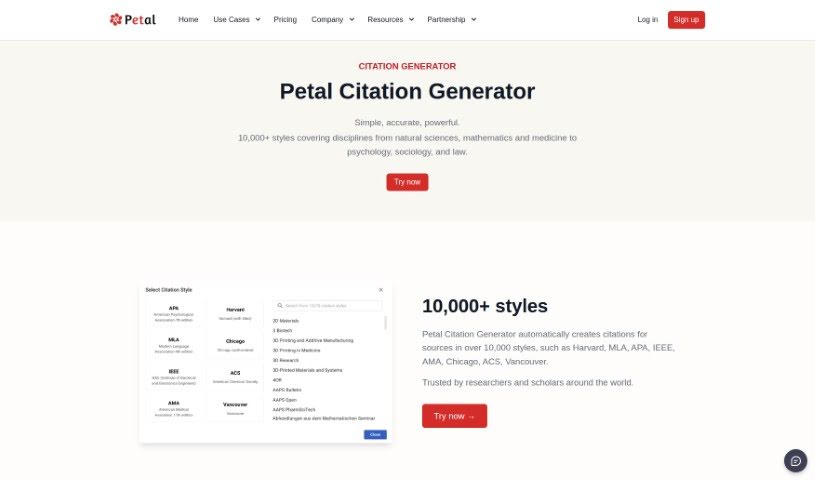
- Petal Citation Generator: Quickly formats references for essays.
- Cramjam: Integrates citations seamlessly into study aids.