Grad school is a relentless balancing act. Between reading mountains of dense journal articles, drafting literature reviews, working on thesis chapters, and grading papers as a TA, your calendar fills up fast. Trying to organize hundreds of PDFs and keep citation styles straight while trying to make an original contribution to your field can leave you burnt out.
The tools in this category act as detail-oriented research companions. They won’t write your dissertation for you (and shouldn’t), but they help summarize long papers, organize reference libraries, and clean up your drafts so you can focus on your actual research.
Simplifying Literature Reviews and Citations
Literature reviews take far less time when you can digest complex papers quickly. Reading through dozens of thirty-page articles just to find two relevant methodologies wastes valuable hours. Research assistants scan academic PDFs to pull out core findings, methodologies, and limitations in seconds. You can map out existing debates in your field and spot research gaps without wading through irrelevant filler.
Managing references and inline citations becomes much easier, too. Switching between APA, IEEE, and Chicago styles usually leads to frustrating formatting errors. AI research tools track your sources, generate accurate citations straight from PDF metadata, and tie quotes back to original page numbers so you spend less time fixing commas in bibliographies and more time analyzing evidence.
Drafting long-form manuscripts becomes much less intimidating when you have structural support. Turning months of lab notes and reading highlights into a cohesive thesis chapter often causes severe writer’s block. Academic editing assistants help you build logical chapter outlines, rephrase awkward prose, and maintain formal academic tone while keeping your distinct scholarly voice intact.
Capabilities to Look For:
- Source-grounded summaries: Tools that extract key findings, limitations, and study designs directly from uploaded PDF files.
- Literature mapping: Software that analyzes citation networks to surface foundational studies and related papers in your niche.
- Citation formatting: Systems that generate inline citations and full bibliographies across major academic formats.
- Reference library integration: Connectors that link directly with tools like Zotero, Mendeley, or EndNote.
- Source verification: Built-in checks that verify claims against published literature to protect academic integrity.
Developing an original thesis requires deep critical thinking and rigorous analysis that software can’t replicate. But handing off routine citation formatting, initial PDF skimming, and draft cleanup gives you the mental space needed to focus on your scholarship.
Explore the academic tools below to find a good fit for your research routine.
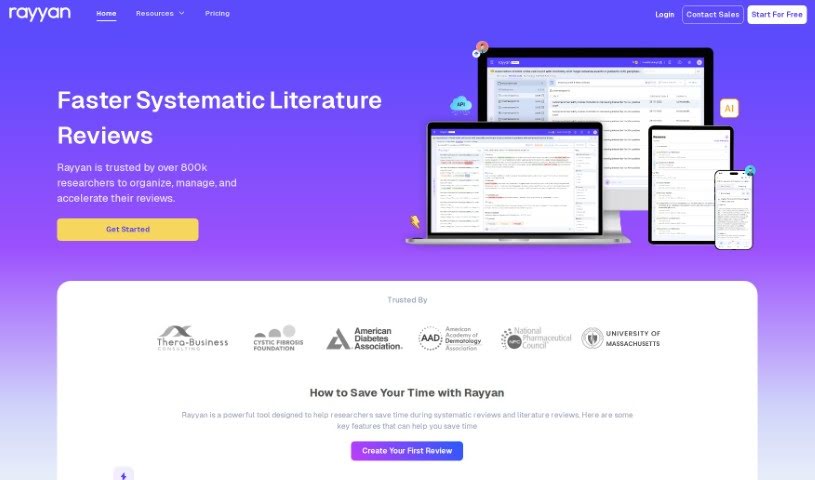
- Rayyan: Great for making systematic reviews easier for grad students.
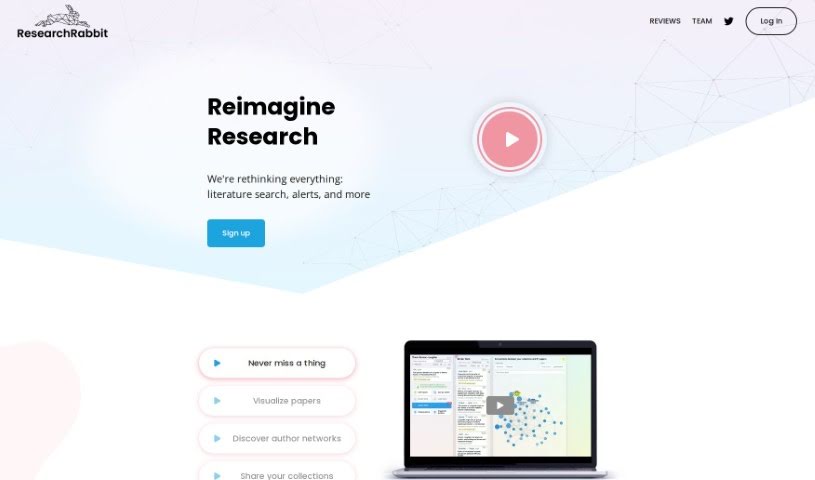
- Research Rabbit: Helps you organize your graduate research papers.
- Foot Agent Exam: For faster FIFA exam prep for graduates.
- Liftoff: Offers AI mock interviews to get grad students ready.
- Myloans: Helps tailor student loan plans for grads.
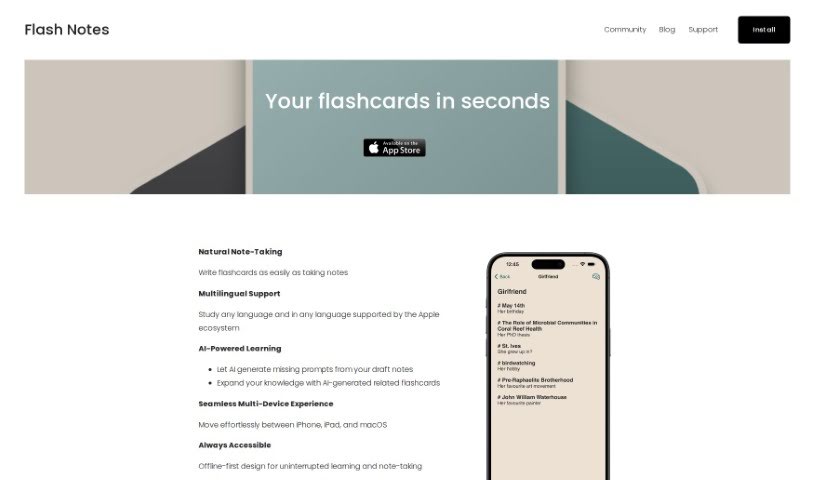
- Flash Notes: Provides customized study aids for thesis research.