Maintaining enterprise networks across switches, firewalls, and multi-cloud environments can turn any workday into an exhausting game of chasing ghosts. Between sifting through endless syslog files, writing complex CLI scripts, auditing firewall rules, and handling emergency outages, keeping up with routine NetOps leaves little room for long-term architecture design.
Built specifically for network engineers, NetOps specialists, and infrastructure architects, these tools analyze telemetry, draft configuration scripts, and spot performance anomalies so you can keep traffic flowing smoothly.
Root Cause Analysis, Automated Configs, and Topology
Pinpointing network anomalies and root causes becomes much faster with intelligent telemetry tools. When latency spikes or packet loss hits a critical application, digging through gigabytes of NetFlow data and log streams across dozens of routers takes valuable time. AI network monitoring platforms analyze traffic patterns in real time, correlate errors across hybrid cloud paths, and isolate the exact root cause in seconds, helping you drop mean time to resolution during critical outages.
Generating and auditing device configurations takes far less manual effort, as well. Writing CLI commands for Cisco, Juniper, or Arista hardware by hand can easily lead to typos or configuration drift. AI network automation assistants turn plain language requests into verified syntax, update Ansible playbooks, and continuously check device settings against security baselines to prevent drift before it impacts performance.
Predicting capacity needs and mapping complex topologies becomes far more manageable across expanding environments. Keeping track of how traffic moves across on-prem data centers, cloud providers, and remote branch offices usually relies on outdated diagrams. Modern network intelligence tools map your topology automatically, flag potential bandwidth bottlenecks before links saturate, and suggest routing adjustments to keep performance steady.
Key Features to Look For:
- Natural language diagnostic queries: Systems that let you ask direct questions about routing paths, traffic spikes, and device status in plain English.
- Vendor-agnostic configuration generation: Tools that convert policy intent into tested CLI syntax for multi-vendor switches, routers, and firewalls.
- Real-time telemetry and root cause analysis: Software that correlates NetFlow, syslog data, and synthetic tests to isolate performance drops instantly.
- Automated drift detection and compliance auditing: Features that compare live device settings against established security baselines to flag unauthorized changes.
- Multi-cloud topology mapping: Platforms providing dynamic visibility across physical hardware, WAN connections, and cloud networks in a single view.
Building a resilient, secure network will always depend on human expertise, sharp troubleshooting skills, and sound architectural vision. Software can parse log streams and generate CLI syntax, but making critical design choices and managing complex outages requires your hands-on oversight.
Take a look through the options below to find the right tool for your network rack.
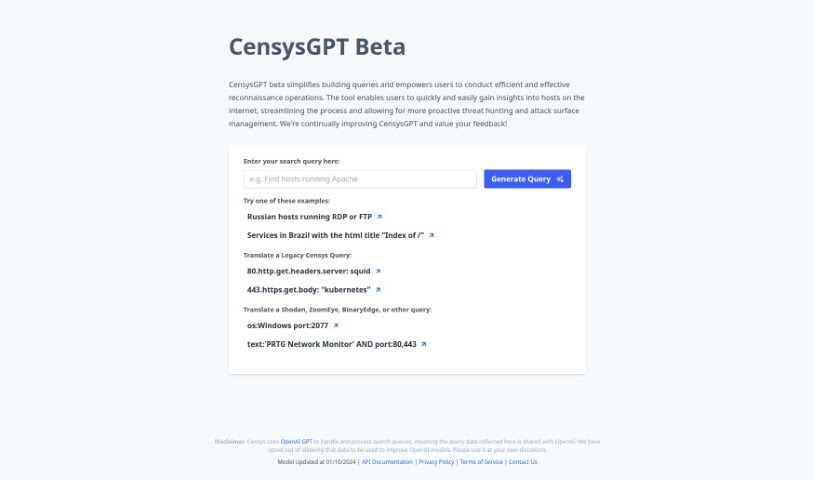
- Censys GPT Beta: Makes optimizing network configurations easy.
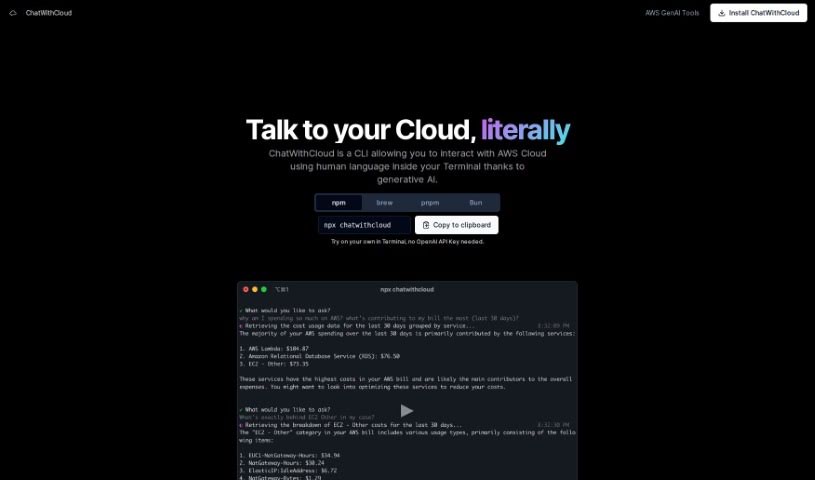
- Chat With Cloud: Helps optimize network costs and performance.
- furl AI: Automates network security patching.