B
BenchLLM
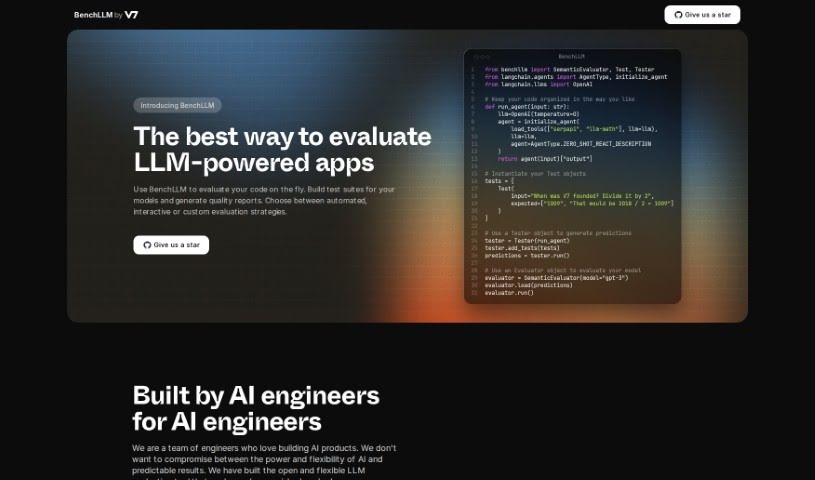
FreemiumBenchLLM is a platform for evaluating AI applications that use large language models (LLMs). It lets developers create test suites)Skip
Testing
View Tool →
Discover the best Testing AI tools to enhance your productivity and creativity.
BenchLLM is a platform for evaluating AI applications that use large language models (LLMs). It lets developers create test suites)Skip
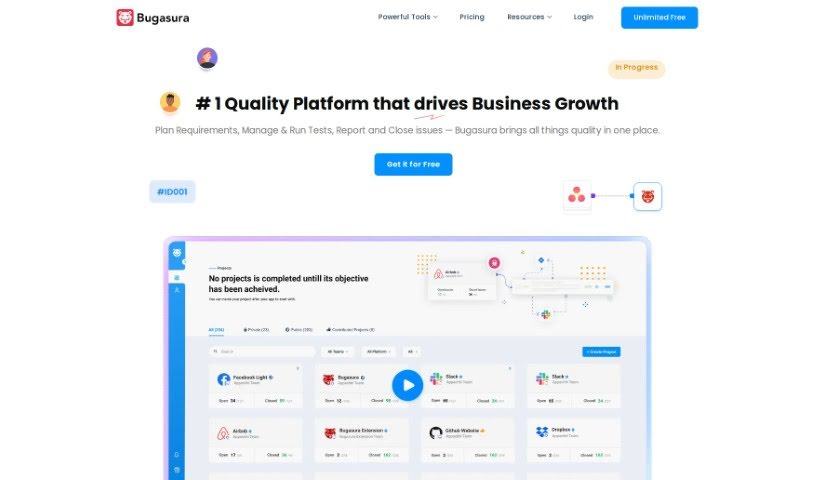
Bugasura is a bug management tool for teams that move fast. It uses AI-powered bug reporting and issue tracking to help developers, testers, and product managers find and fix issues more efficiently. More than 50,000 developers, testers, and product managers in over 25 countries use Bugasura to deliver quality features.
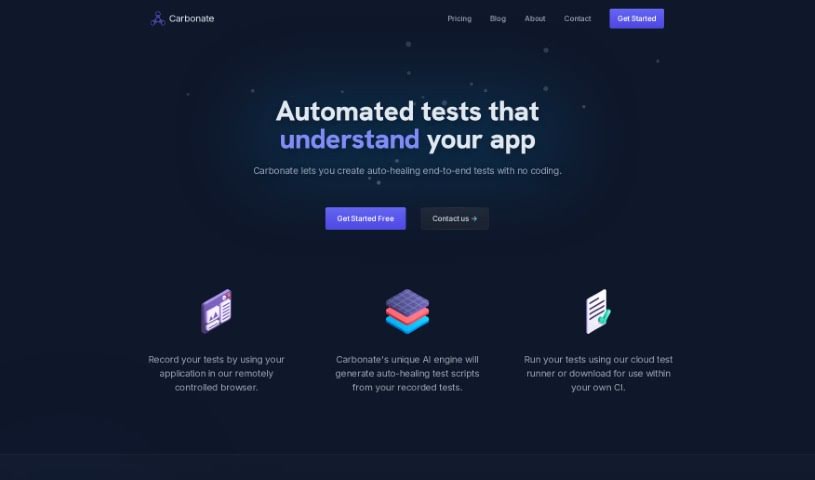
Carbonate is an AI-powered tool that automates end-to-end testing and integrates into your existing testing framework. You write tests in plain English, and on the first run Carbonate converts those instructions into working test scripts. When the HTML on your pages changes, it regenerates the scripts to match — and it distinguishes genuine UI modifications from minor rendering differences, which keeps tests reliable.
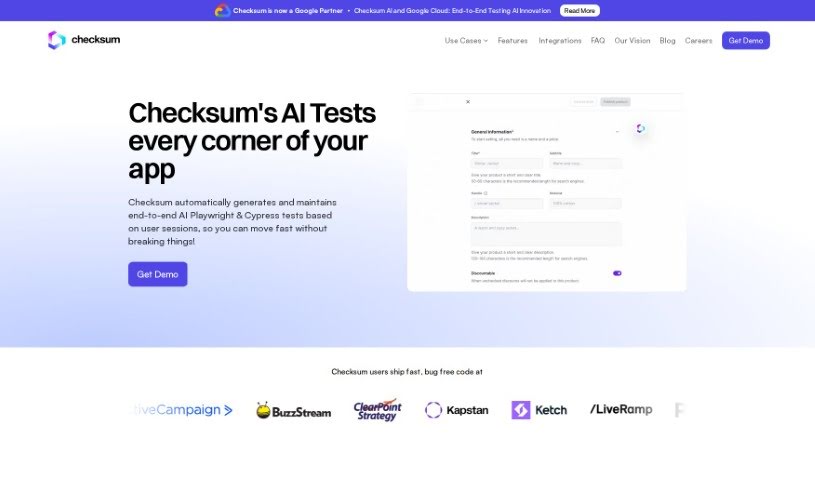
Checksum is a testing tool for developers and QA professionals who want to increase test coverage for their web applications. It combines real user sessions with machine learning to build end-to-end tests that reflect how people actually use the application. Tests are generated and maintained for popular frameworks like Playwright and Cypress.
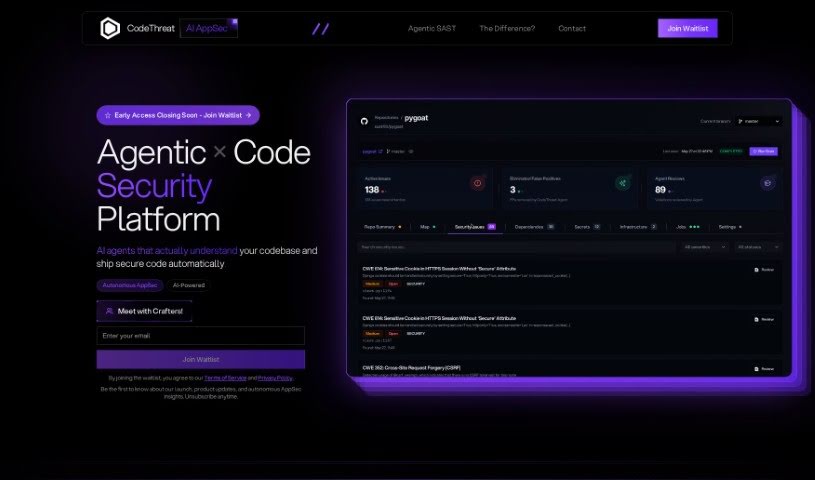
CodeThreat is an AI-powered SAST (Static Application Security Testing) solution that deeply analyzes your code to find and fix security weaknesses before they become problems. Its standout features include highly accurate code analysis, custom security rules, flexible hosting options, and an easy-to-use interface.
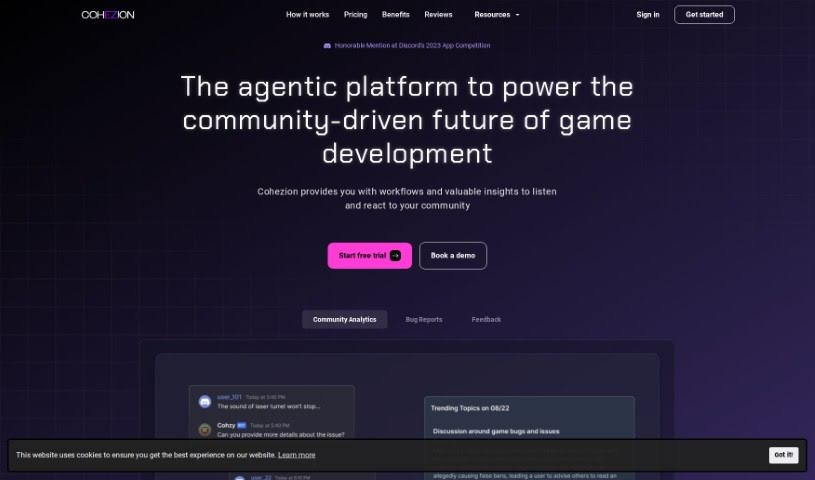
COHEZION is an AI-powered platform built to strengthen the connection between game developers and their players. It combines bug reporting, communication tools, and analytics so studios can act on community input. Core features include:
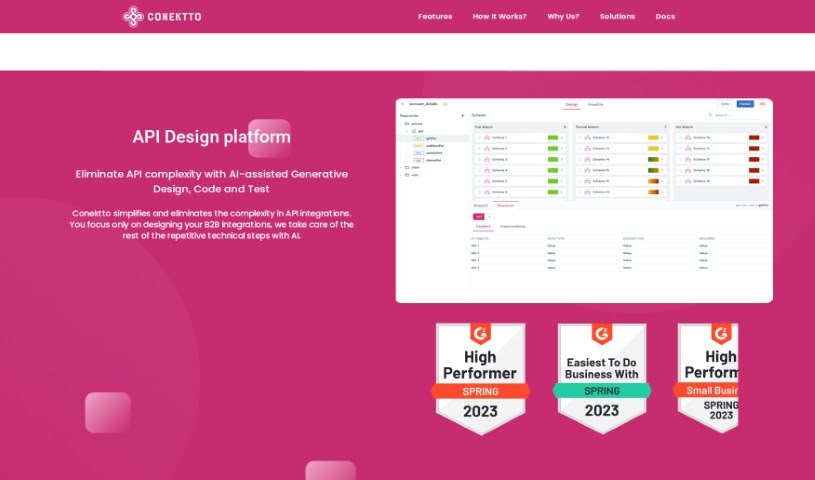
Conektto is a platform for building and testing APIs. It includes an API design studio, generative AI for software engineering tasks, an API test harness, tools covering the entire enterprise API Software Development Lifecycle (SDLC), and a hybrid API orchestrator. The platform uses AI to assist with design, code generation, and testing, aiming to reduce API complexity and support collaboration. A free plan is available, and paid subscriptions add features such as unlimited API designs, data provider API designs, and aggregate API designs. Users have praised its efficiency, collaboration support, and ability to simplify complex APIs while speeding up development.
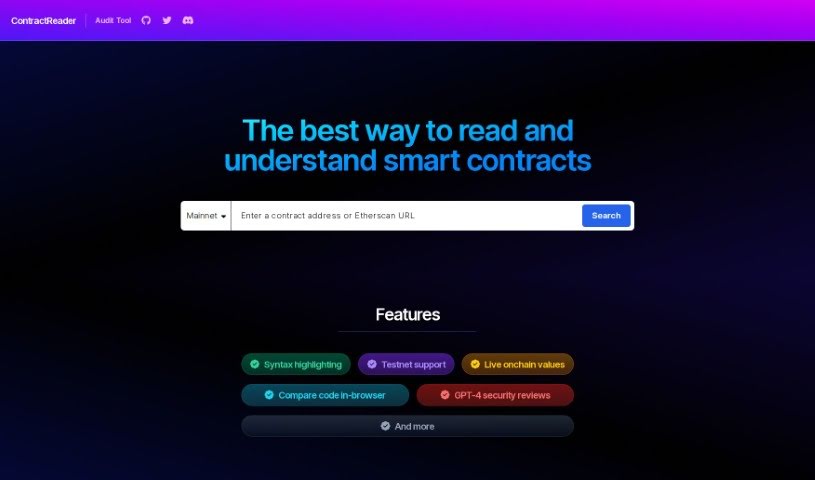
ContractReader is an audit tool designed to make understanding smart contracts simpler. Enter a contract address or an Etherscan URL and the tool surfaces the contract's details. Key features include:
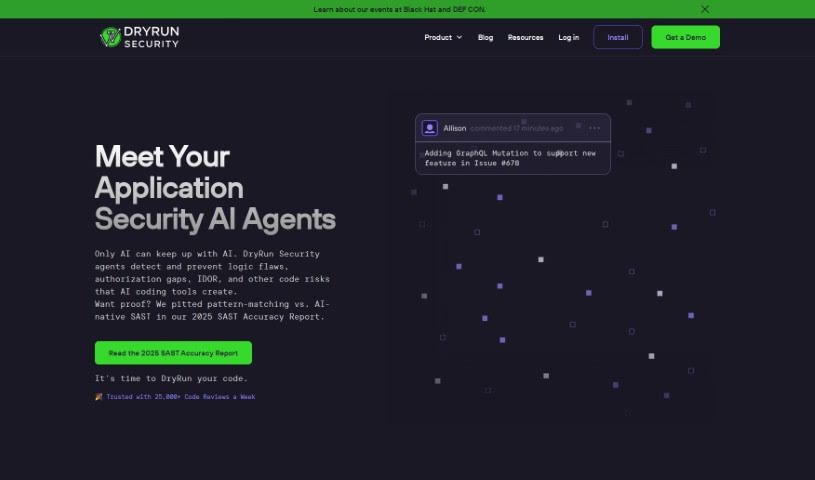
Dryrun Security is an AI-powered GitHub App that reviews every pull request for security issues as you code. It analyzes code changes to determine whether they are safe, making security review part of the normal development workflow rather than a separate chore. It supports a range of languages and frameworks and delivers feedback within seconds of opening a pull request.
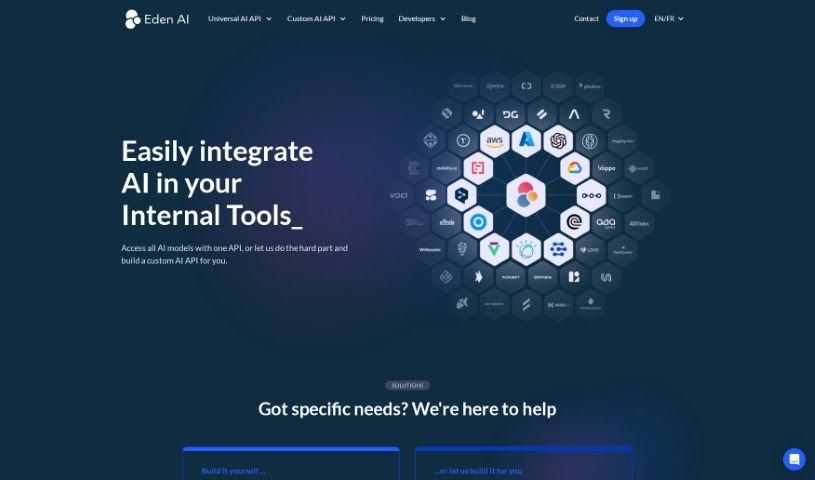
Eden AI is a tech company specializing in artificial intelligence. It builds smart AI algorithms and software designed to tackle business challenges, focusing on advanced machine learning models, natural language processing tools, and computer vision systems. Its solutions serve a variety of industries, helping businesses streamline operations, make better decisions, and improve performance.
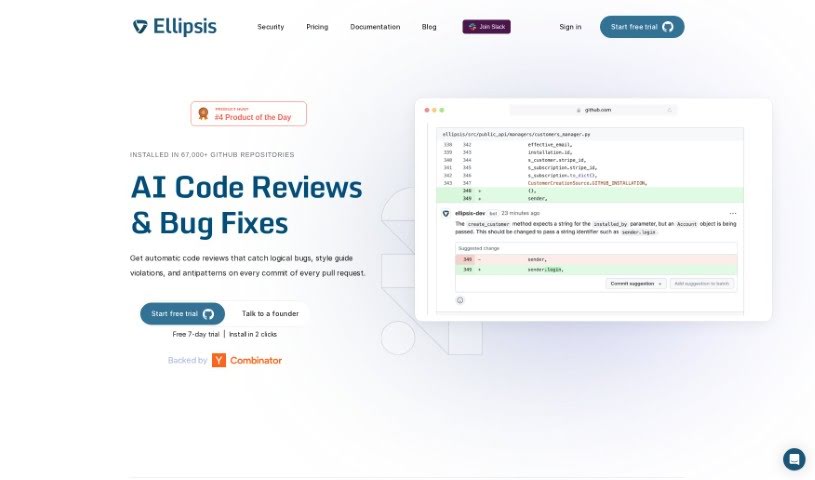
Ellipsis is an AI coding assistant that works inside your development workflow as a virtual software engineer. It reviews code, writes new code on request, answers questions about your codebase, implements features, and fixes bugs, using large language models to understand and generate code.
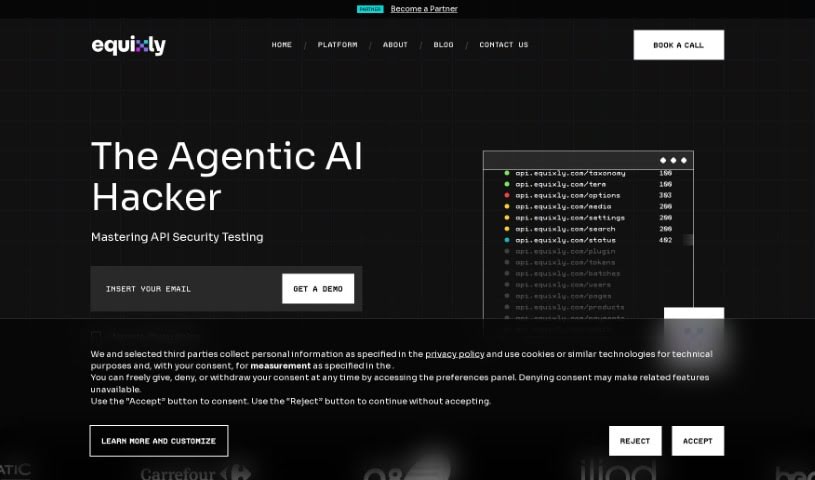
Equixly is an API security tool that detects vulnerabilities in live APIs as they occur, using AI-driven testing that works like continuous penetration testing. It tests against the OWASP Top 10 API risks, examining how APIs handle requests and responses to identify both technical flaws and logic errors.
Tracking down elusive bugs, writing endless test scripts, and fixing broken test suites every time code changes can make software testing feel like constant firefighting. Whether you’re running manual regression checks, writing unit tests for a new feature, or managing complex integration pipelines, keeping up with fast release cycles takes serious time. It’s easy to waste hours updating flaky test scripts instead of focusing on overall software quality.
These specialized testing assistants handle routine script creation, repair broken test paths, and catch hidden edge cases before your users do—without replacing human QA engineers or writing code on autopilot.
Drafting comprehensive test cases from user stories or technical specs often takes hours of manual work. Smart testing assistants scan requirements, user flows, or code changes to generate clear test scenarios and unit test boilerplate in seconds. Instead of starting with a blank file for every sprint, you get a solid framework covering both standard user paths and unexpected edge cases.
Maintaining automated UI and end-to-end test suites gets much easier, as well. Minor interface updates often break traditional automation scripts, leaving QA teams with a mountain of test failures to inspect. AI-driven testing tools monitor application changes and automatically update element selectors when layout positions or button labels shift. These self-healing scripts drastically reduce maintenance overhead, keeping your build pipelines green and reliable.
Creating realistic test data and analyzing code coverage also becomes far less painful. Specialized tools generate privacy-compliant synthetic datasets that mimic real user traffic without exposing sensitive customer data. They can also analyze test runs to pinpoint untested code paths, security vulnerabilities, or performance bottlenecks that need extra attention.
Key Capabilities to Look For:
- Automated script generation: Systems that turn natural language prompts, user stories, or code files into executable unit and end-to-end test scripts.
- Self-healing test execution: Settings that automatically adjust broken element selectors and test steps when interface layouts change.
- Synthetic data generation: Tools that create realistic, privacy-safe datasets for testing edge cases and complex user flows.
- Visual regression scanning: Features that compare UI screenshots across multiple browsers and devices to flag subtle layout glitches.
- Coverage and gap analysis: Analytics tools that highlight untested code paths, risky changes, and missing scenario coverage.
Building reliable software will always depend on human problem-solving, critical thinking, and a deep understanding of user expectations. Software can’t evaluate real user experience or understand complex business logic for you. But handing off repetitive script writing, data generation, and test suite maintenance gives you back the time needed to deliver high-quality applications.
Take a look through the QA tools below to streamline your testing process.
Weekly picks of the best AI tools we've researched and added — no spam, unsubscribe anytime.
Join 25,000+ AI enthusiasts. No spam, unsubscribe anytime.