M
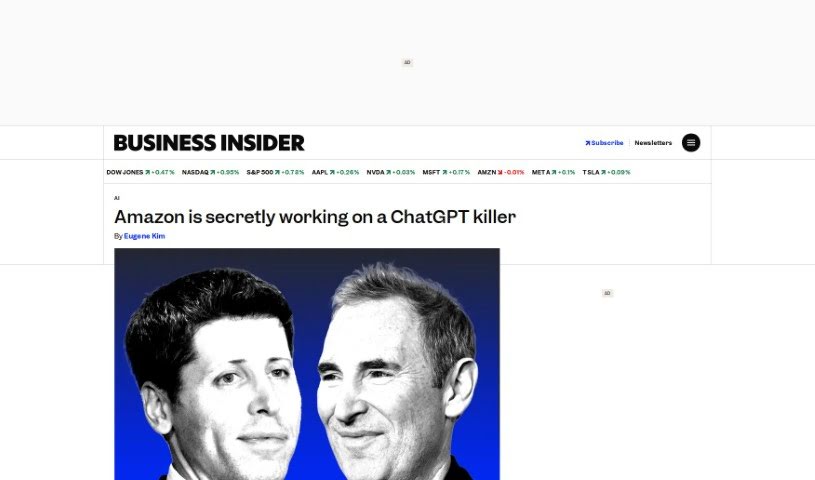
Metis by Amazon
FreemiumMetis is a browser-based AI assistant developed by Amazon's AGI team. It runs on Amazon's own Olympus model and answers text- and image-based questions in a conversational format.
Data Analytics
View Tool →
Discover the best Data Analytics AI tools to enhance your productivity and creativity.
Metis is a browser-based AI assistant developed by Amazon's AGI team. It runs on Amazon's own Olympus model and answers text- and image-based questions in a conversational format.
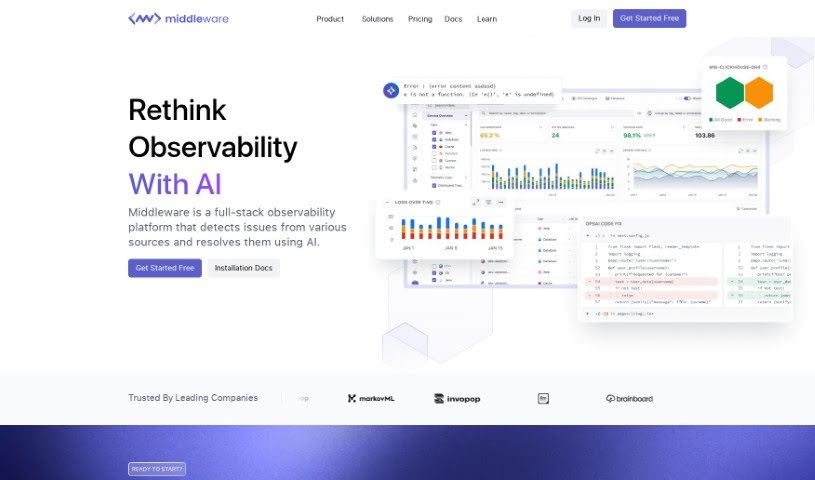
Middleware is a cloud observability platform that gives you a clear picture of your entire technology stack. It brings logs, traces, and metrics together in one place, so you can spot infrastructure problems and fix them faster. It also ingests and stores data securely, including from large data warehouses like S3 and Azure Blob.
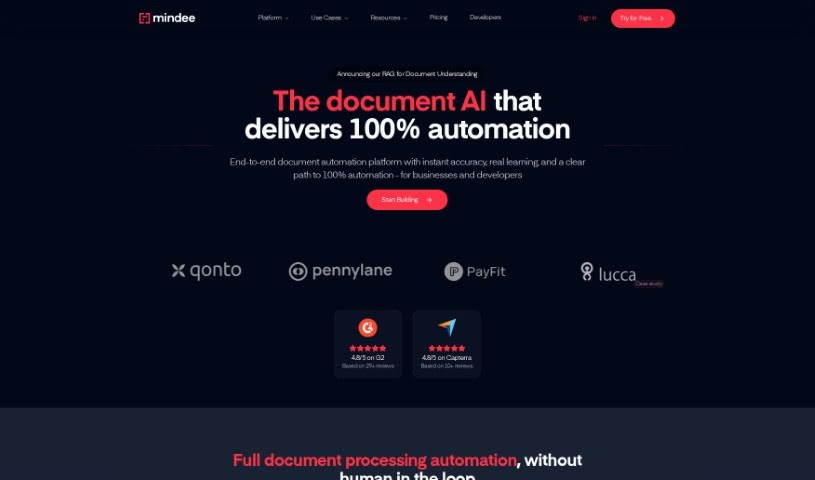
Mindee's docTI: Custom Document Processing is a service for building your own OCR APIs matched to your product's needs, deployable in minutes. Unlike standard off-the-shelf APIs, it provides instant AI document processing without any model training, using deep learning and large language models to deliver high-quality results.
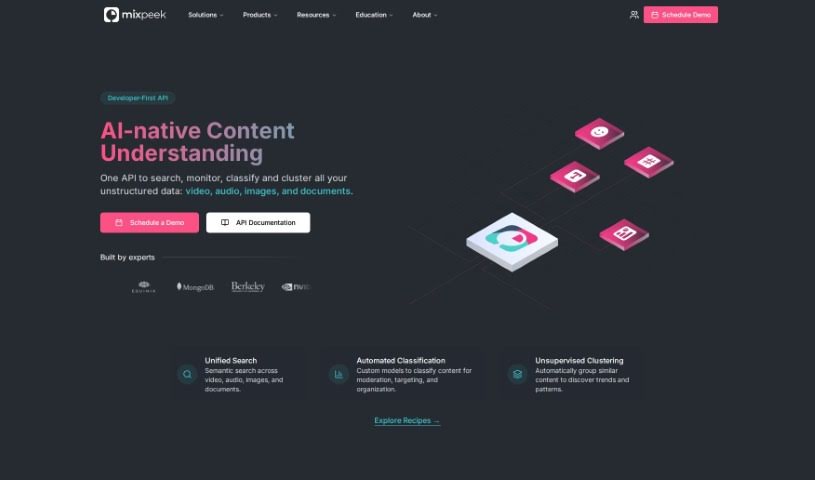
Mixpeek is a platform that helps developers extract information from unstructured files — videos, images, audio, and documents. It uses custom AI models to process this data, connecting securely to your data sources, indexing everything in real time using hundreds of models, and letting you analyze the indexed data to build custom applications and surface insights.
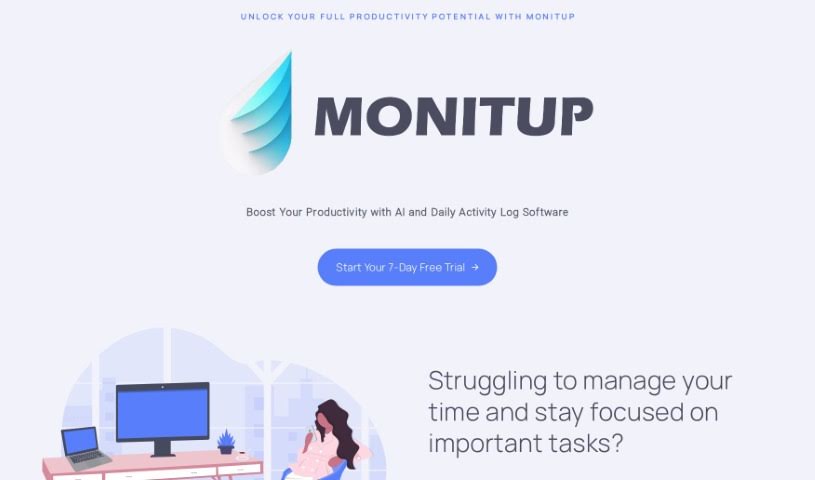
MonitUp is an AI-powered time tracker that monitors your computer activity and turns it into actionable insights. It captures screenshots, tracks which applications and websites you use, categorizes your activities, and generates personalized reports with AI-driven suggestions to help you work more efficiently.
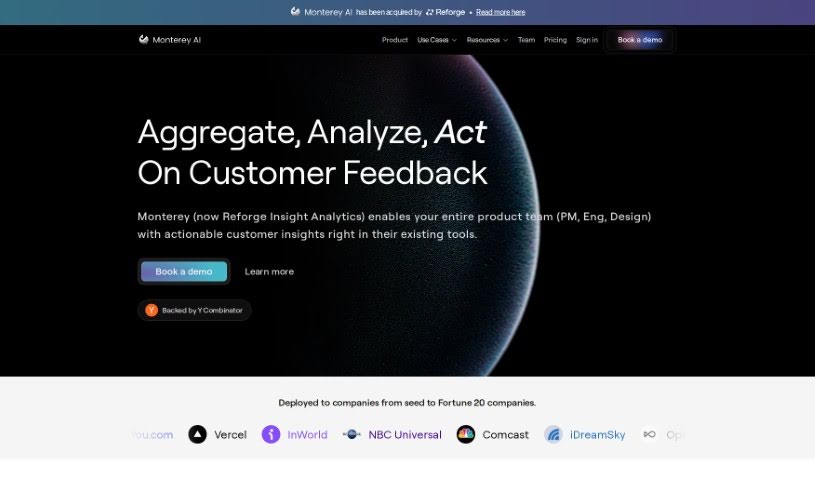
Monterey AI is an AI platform for product analytics focused on qualitative data. It automatically sorts, prioritizes, and delivers insights in real time, helping teams turn messy, unstructured feedback into actionable insights. The platform supports over 85 languages and integrates with tools like Zendesk and Slack, making it easier to manage feedback from multiple communication channels. It also includes ways to vote on new product features and organize engineering tickets.
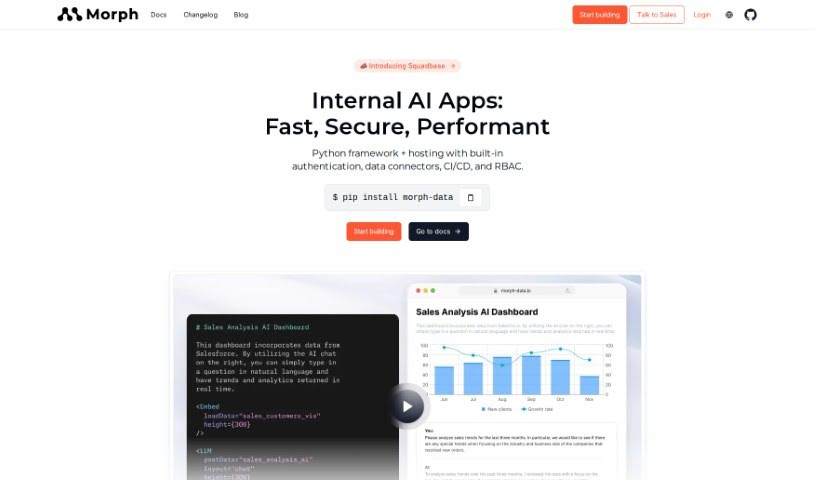
Morph is a no-code, all-in-one data studio. It provides a single platform for storing, managing, analyzing, visualizing, and sharing data, and it includes Morph AI, an AI assistant that handles data tasks such as querying data, creating visualizations, generating reports, building data pipelines, and transforming data using SQL or Python.
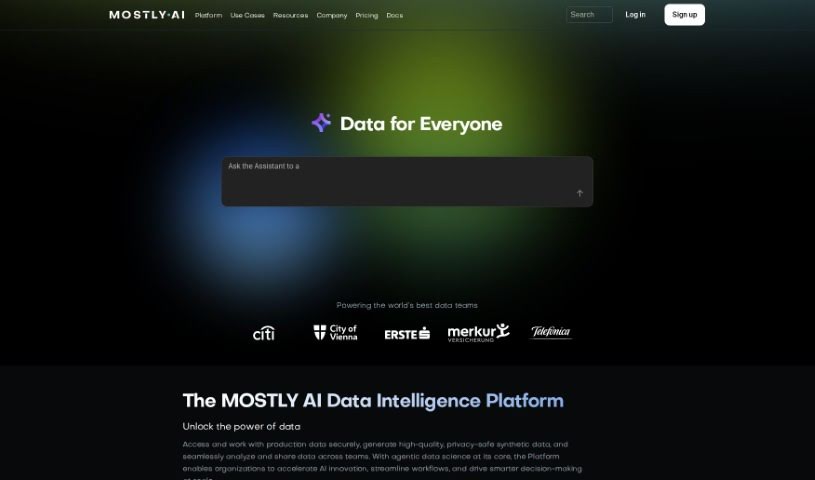
Founded in Vienna, Austria in 2017 by data scientists Michael Platzer, Klaudius Kalcher, and Roland Boubela, Mostly AI specializes in AI-generated synthetic data. Its services include generating high-quality synthetic data, ensuring data privacy and security, providing professional training, supporting AI and machine learning model development, and enabling safe cross-border data sharing.
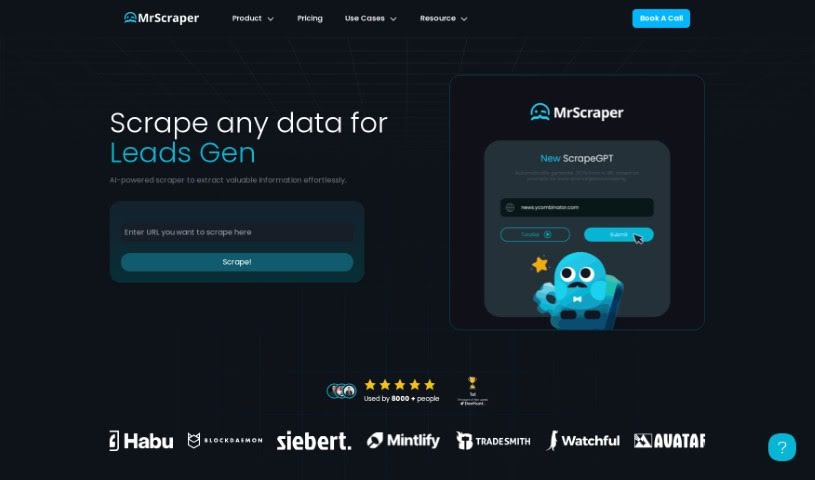
MrScraper is a web scraping tool that extracts data from websites without requiring code selectors. It combines AI language models with traditional scraping techniques to handle large, complex web pages.
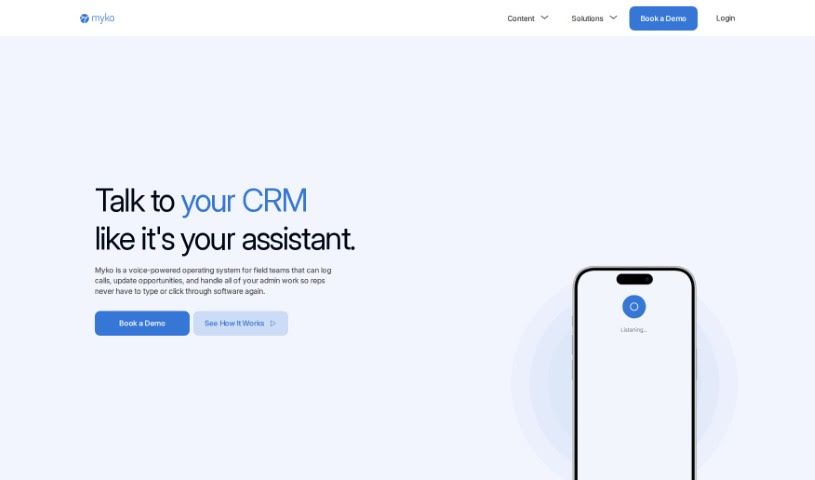
Myko AI is an AI-powered platform that makes data access simpler for individuals and organizations. It helps you find, analyze, and use information to make better decisions. Data security is a priority: data is encrypted, and your information won't leak to public AI models. Myko AI also offers team collaboration within tools you already use, such as Slack — you can even update Salesforce data directly from Slack — and builds custom AI models trained on your company's data.
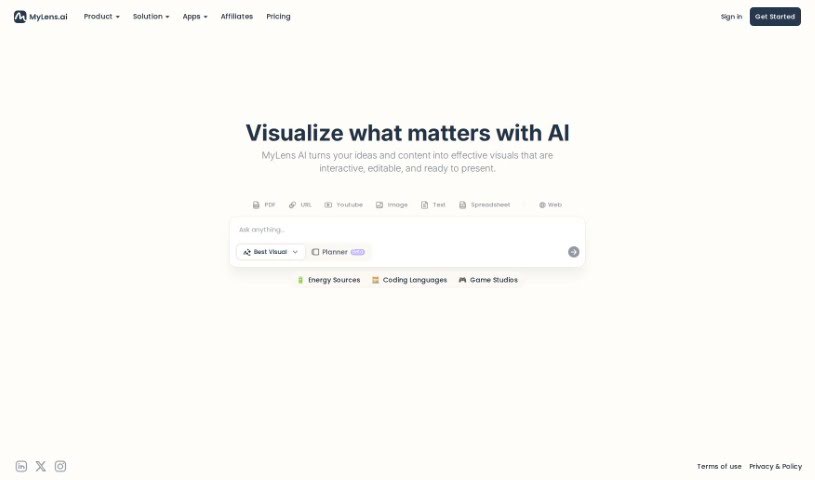
MyLens AI is an AI data assistant, called Klarence, built by DataMotto. It simplifies complex data by suggesting useful questions to ask your data and automatically writing code for custom queries. Klarence supports Python, R, and SQL, and lets you share reports, connect different data sources, and focus your data for clearer insights.
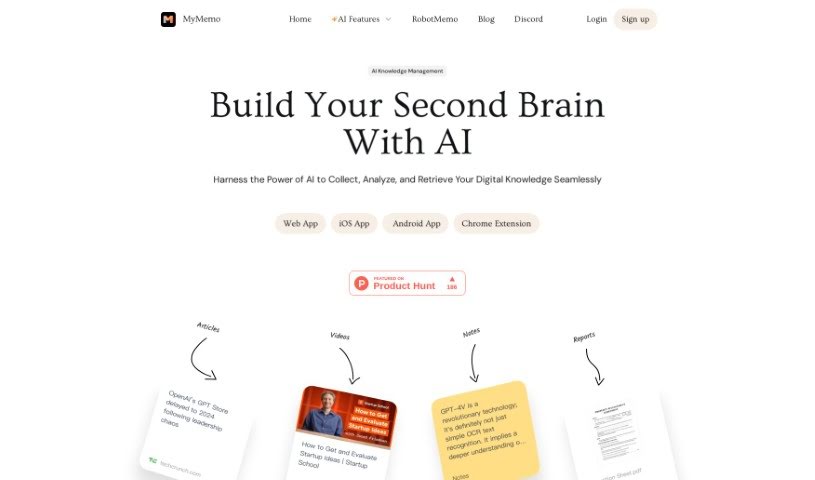
MyMemo is a personal "Digital Brain" — a platform that uses artificial intelligence to organize and make sense of your digital content. You can save articles, links, screenshots, videos, and documents in one place, and the AI understands and answers questions about what you've saved. The goal is to make information easy to find again without adding to your workload, while supporting learning and idea generation through reflection on your saved knowledge.
Pulling actionable insights from raw spreadsheets often feels like hunting for a needle in a digital haystack. You spend hours writing complex SQL queries, cleaning messy rows, and wrestling with dashboard settings just to answer a simple business question. By the time you finally build a clear chart, the data is already outdated and the meeting is over.
The tools in this category act like high-powered analytical assistants. They handle tedious data cleaning, spot hidden trends, and convert messy datasets into clear visual reports in seconds.
Querying databases in plain English is one of the biggest leaps in modern analytics. Instead of waiting on a specialized data team to pull a custom report, non-technical team members can type questions like “Which product category had the highest refund rate last quarter?” The software scans connected tables, writes the necessary SQL behind the scenes, and hands back a clean chart alongside a concise text summary.
Data cleaning gets much easier, too. Raw files rarely arrive neatly formatted; they’re usually packed with duplicate rows, inconsistent date formats, and missing values. Smart analytics engines spot these flaws right away, offering quick fixes to clean up messy tables before you even start analyzing. You spend less time fixing broken formulas and more time studying actual business metrics.
Machine learning models also help flag unexpected anomalies and forecast future trends. Rather than just showing what happened last month, these tools scan millions of data points to highlight emerging buyer habits and project revenue shifts—helping you adapt before competitors notice.
- Natural language querying: Systems that let you ask questions in plain English and deliver instant charts, tables, or SQL code.
- Automated data preparation: Features that identify missing values, reformat inconsistent columns, and strip out duplicate entries automatically.
- Predictive forecasting: Algorithms that analyze historical trends to project future sales, customer churn, and demand shifts.
- Custom dashboard creation: Tools that convert raw numbers into interactive, shareable visual reports with minimal setup.
- Enterprise data security: Platforms that connect directly to your data warehouse while enforcing strict access controls.
Software can run statistical correlations and render clean charts, but deciding what those numbers actually mean for your business still requires human judgment and domain context. Handing off routine data parsing simply gives you the clarity to make better decisions.
Explore the analytics platforms below to speed up your reporting.
Weekly picks of the best AI tools we've researched and added — no spam, unsubscribe anytime.
Join 25,000+ AI enthusiasts. No spam, unsubscribe anytime.