Juggling campaign deadlines, pipeline tracking, lead scoring, and content creation can quickly make your marketing strategy feel like an endless list of admin chores. Between managing ad spend, writing social posts, crafting cold outreach sequences, and making sense of messy website analytics, getting real results takes serious time. When manual reporting and drafting eat into your day, growing your audience gets tough.
These platforms act as high-speed team members for growth marketers, sales reps, demand generation leads, and agency teams. They draft ad copy, analyze campaign metrics, and track buying intent in seconds without replacing your creative intuition or real customer relationships.
Scaling Copy, Tracking Intent, and Synthesizing Data
Scaling personalized outreach and ad variations takes minutes instead of hours. Writing unique landing page text or testing five different email subject lines for every audience segment usually eats up your afternoon. AI copy generators analyze your target customer persona and generate tailored ad headlines, social posts, and email sequences, letting you run multivariate tests without starting from scratch every time.
Tracking buyer intent and qualifying sales leads becomes far less tedious. Sifting through website traffic stats to figure out which accounts are actually interested in your product often leads to cold calls that go nowhere. Intelligent sales tools track digital signals, like visits to your pricing page or hiring updates at target companies, so your team can reach out right when a prospect is ready to buy.
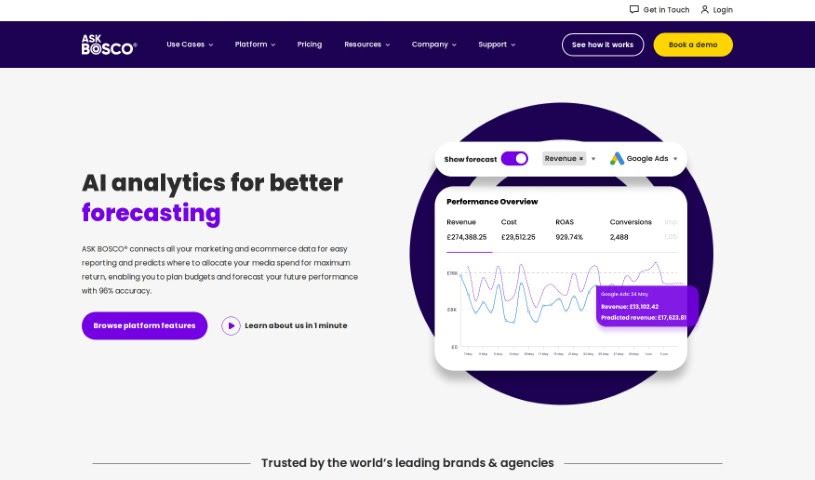
Synthesizing campaign performance data across channels keeps your strategy focused. Logging into four different dashboards just to build a weekly marketing report wastes valuable time. AI analytics platforms pull data from your email tools, ad platforms, and website traffic, turning raw numbers into clear summaries that show exactly which campaigns are driving revenue.
Capabilities to Look For:
- Audience-tailored copy generation: Writing tools that generate ad text, landing page headlines, and email sequences matched to specific customer personas.
- Intent data and lead scoring: Systems that monitor web traffic and company news to highlight hot leads for your sales team.
- Multichannel campaign analytics: Software that aggregates performance metrics across social, search, and email into clear executive reports.
- Automated lead nurturing sequences: Tools that trigger personalized follow-ups based on prospect actions and engagement levels.
- CRM and ad platform sync: Connectors that pipe new leads and audience lists directly into platforms like HubSpot, Salesforce, or Meta Ads.
Building a strong brand will always depend on your personal market insight, messaging strategy, and genuine customer connections. Software can write an ad headline, score a lead, or organize campaign metrics, but creating something people care about requires human creativity.
Explore the sales and marketing tools below to improve your pipeline.
- Beacons: for email strategies in brand outreach.
- HubSpot: for AI-driven lead generation and sales automation.
- Ahrefs: for keyword research for targeted campaigns.
- &Facts: Real-time consumer insight from large-scale behavioural data.
- Beehiiv: for email campaigns focused on lead generation.
- 1Flow: Survey platform that generates personalised surveys and segments users.
- Apollo.io: for B2B lead generation and outreach tools.
- Manychat: for lead nurturing using chatbots.
- 2Slash: Turns any text field into an AI writing assistant.
- Klaviyo: for personalized customer engagement strategies.
- Voyado: for targeted promotions to increase sales.
- GetResponse: for sales funnel optimization.
- 42Signals: Tracks competitor pricing, inventory and customer sentiment for brands.
- SendPulse: for automated lead nurturing campaigns.
- AISEO: for dynamic ad visuals from text prompts.