Staring at a page of ten blue links while trying to solve a specific technical problem or research an unfamiliar topic can drain your patience. I remember sitting at my desk for nearly an hour, opening fifteen separate browser tabs and scanning long articles, only to realize none of them directly answered my core question. Traditional search engines excel at matching keywords, but they often leave the heavy lifting to you: reading through pages of filler text, dodging invasive ads, and piecing together answers on your own.
These AI search engines, research discovery tools, and conversational web lookup platforms act as high-speed research assistants. They scan the open web, synthesize key facts, provide direct source citations, and give you concise answers in seconds without replacing critical thinking or source verification.
Synthesizing Answers, Refining Queries, and Parsing Data
Synthesizing multi-source information turns tedious research into clear summaries in seconds. Reading through dozens of articles to compare two complex concepts or summarize a breaking news event usually takes substantial time. Modern AI search platforms query the live web, read multiple pages simultaneously, and compile a single response that highlights key takeaways while linking directly to original sources so you can verify the details.
Refining queries through natural conversation makes complex research feel seamless. When an initial search query returns broad or slightly off-target results, traditional engines force you to guess new keyword combinations. AI-powered lookup tools let you ask follow-up questions, request simpler explanations, or add specific parameters—like “explain this for a beginner” or “focus only on studies from the last two years”—without starting your search over.
Parsing specialized documents and technical data uncovers hard-to-find insights quickly. Finding a specific metric hidden inside a 100-page financial report, a legal filing, or an academic paper often feels like hunting for a needle in a haystack. Specialized conversational search engines can read uploaded PDFs, analyze raw data tables, and calculate precise answers while citing the exact page numbers for reference.
Key Features to Look For:
- Direct source citations: Platforms that link every inline claim to verifiable web pages, news articles, or research papers.
- Live web indexing: Systems that pull real-time information from current web pages rather than relying solely on static, outdated training data.
- Multimodal search inputs: Tools that let you upload images, screenshots, voice notes, or documents alongside your text queries.
- Privacy-focused browsing: Search engines that deliver AI-synthesized answers without tracking your query history, building ad profiles, or selling your data.
- Model switching and customization: Applications that let you toggle between different underlying AI models or customize source preferences for specialized topics.
Finding accurate information will always depend on your personal judgment, critical evaluation, and willingness to verify source material. Software can scan web pages, summarize articles, and pull direct quotes, but evaluating truth and context requires a human mind.
Check out the AI search tools below to upgrade your web research.
The Best AI Search Engines
- Perplexity: for understanding your search queries better
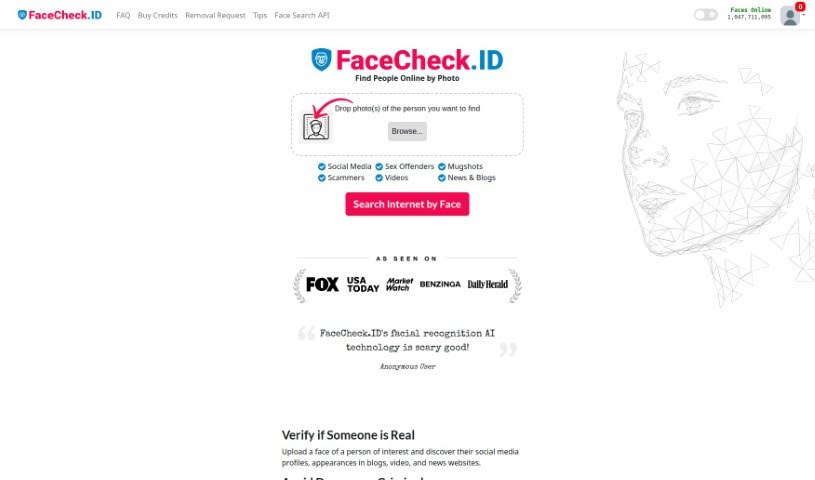
- Facecheck Id: for checking the authenticity of online profiles
- HIX.AI: for automating SEO tasks to get more traffic
- Onfido: for verifying identities for ad targeting
- Namelix: for boosting SEO with catchy domain names
- Veriff: for improving user verification for search results
- Andi Search: for quickly finding and summarizing complex facts
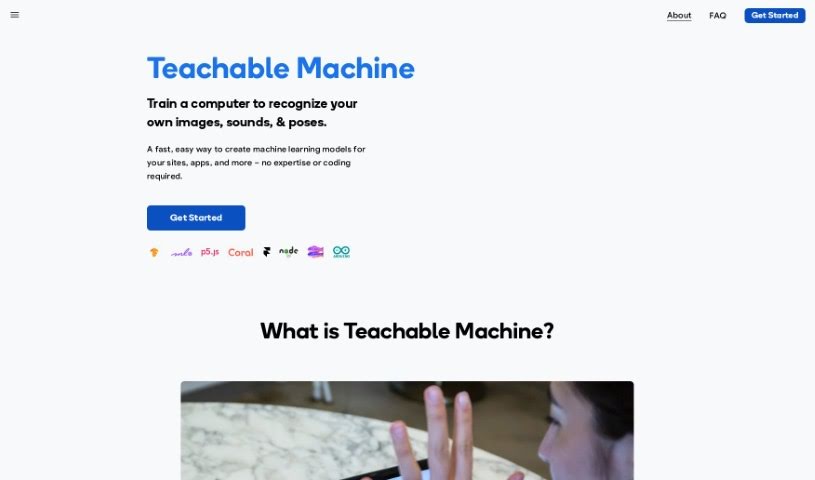
- Google Teachable Machine: for enhancing custom image searches
- Copyseeker: for improving image search accuracy and relevance
- Nyckel: for real-time news tagging in searches
- Shufti Pro: for detecting fraud in search engine ads
- Movie Wiser: for better film search results and filters
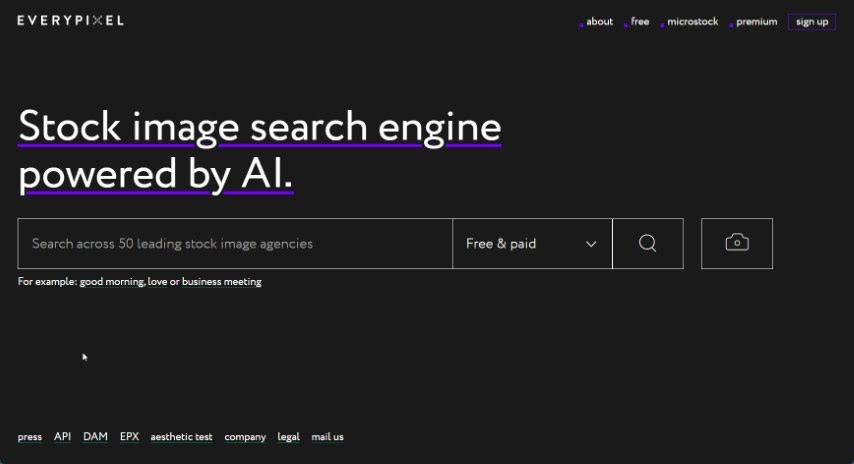
- Everypixel: for an efficient stock image search solution
- How normal am I?: for AI face assessment for search personalization
- Name Combiner: for optimizing blog names for better SEO