Top AI Search Engines

AI Tools for Search Engines

Discover the best Search Engines AI tools to enhance your productivity and creativity.

Page 5 of 9 • 98 total tools
Screenshot of Mixpeek

Mixpeek

Freemium

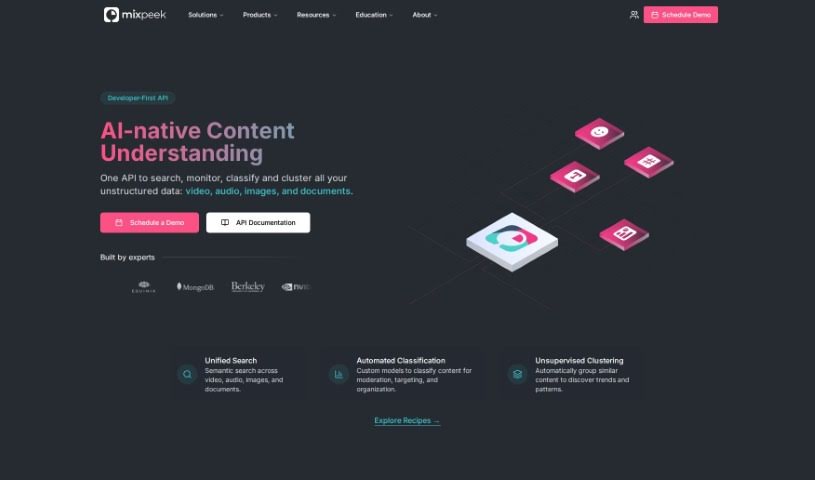
Mixpeek is a platform that helps developers extract information from unstructured files — videos, images, audio, and documents. It uses custom AI models to process this data, connecting securely to your data sources, indexing everything in real time using hundreds of models, and letting you analyze the indexed data to build custom applications and surface insights.

Search Engines View Tool →
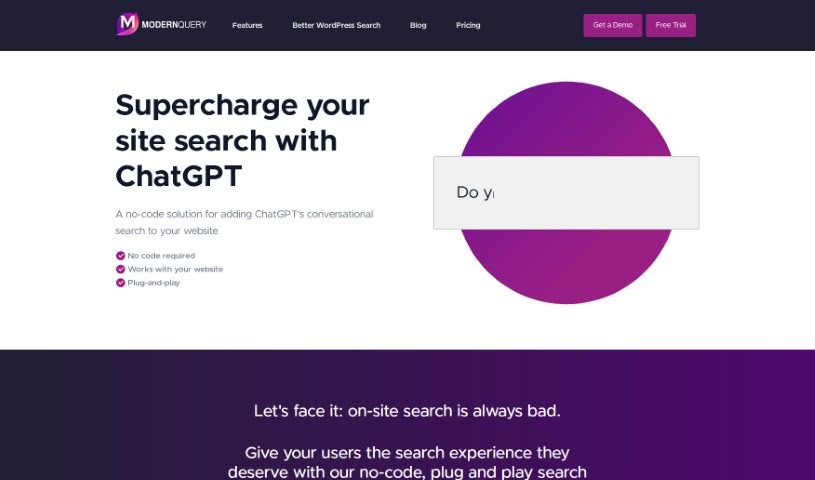
Screenshot of Modern Query

Modern Query

Freemium

ModernQuery is a no-code tool that improves website search using generative AI and conversational search, similar to chatting with ChatGPT. Search results can be adjusted through a point-and-click interface, and autocomplete suggestions help visitors find what they're looking for faster. It works for small business sites, personal blogs, and larger company websites.

Search Engines View Tool →
Screenshot of MovieUncover

MovieUncover

Freemium

MovieUncover is an AI tool for finding movie and TV series recommendations. You describe what you're looking for — plot points, genres, or the time period it's set in — and the platform analyzes your description to generate a list of matching suggestions. Because it understands natural language, there's no need to filter by genre or scroll through long lists manually.

Search Engines View Tool →
Screenshot of MovieWiser

MovieWiser

Freemium

MovieWiser is a platform for movie insights and information. It offers reviews, ratings, recommendations, and news across a wide range of films. Its core purpose is to help you decide what to watch next based on your preferences, with an easy-to-use interface and a broad variety of content.

Search Engines View Tool →
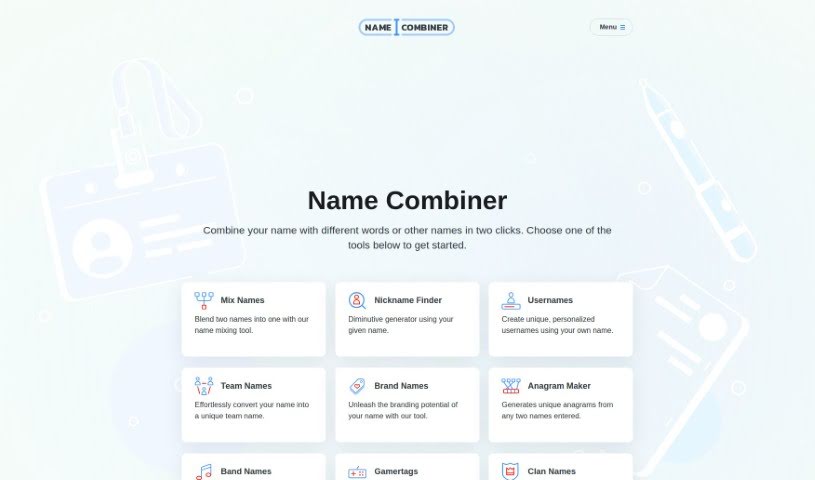
Screenshot of Name Combiner

Name Combiner

Freemium

Name Combiner is a website with tools for generating creative, unique names. It blends existing names with other words or names to produce nicknames, usernames, brand names, band names, and more. The interface is simple, no registration or personal information is required, and the site doesn't store your input for long. You can download your entire list of generated names, and the tools are completely free.

Search Engines View Tool →
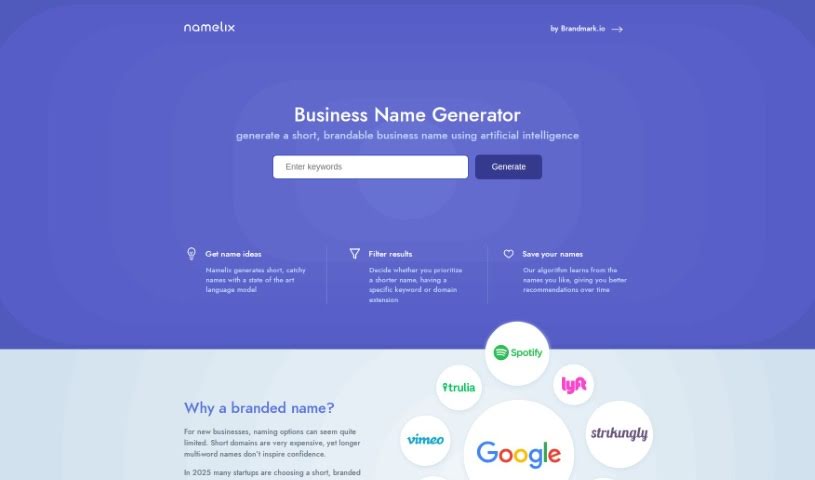
Screenshot of Namelix

Namelix

Freemium

Namelix is an AI-powered business name generator from Brandmark.io. It generates short, catchy, brandable names tailored to your business idea, and it goes beyond naming: you can check domain availability instantly and create a logo directly on the platform. The more you use it, the better its suggestions become, as the algorithm learns your preferences.

Search Engines View Tool →
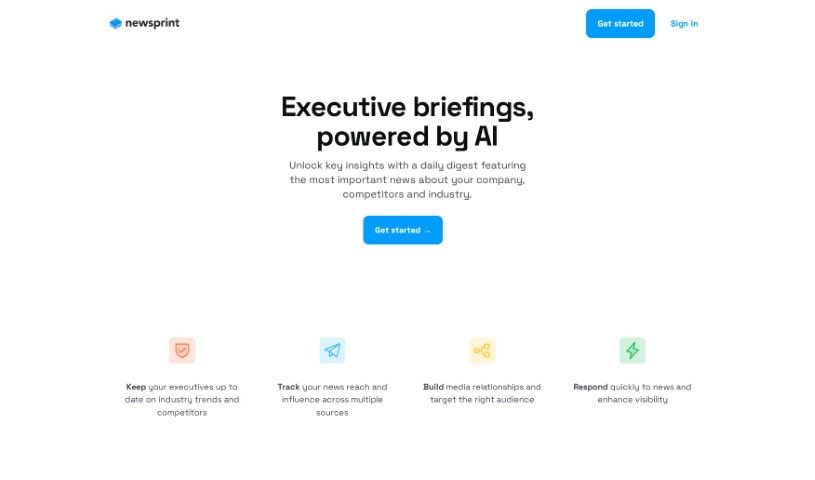
Screenshot of Newsprint

Newsprint

Freemium

Newsprint is an AI-powered personal news assistant. Each day it reviews thousands of stories, selects the ones most relevant to your interests, and delivers a grouped, summarized digest to your inbox. You can tune it toward topics that matter to you, your business, or your clients, and it learns from how you interact with each brief — clicks, likes, and replies — to make its curation more relevant over time. The goal is efficient news reading: a clear overview of what's happening without building complex schedules or boolean searches.

Search Engines View Tool →
Screenshot of Nuclia

Nuclia

Freemium

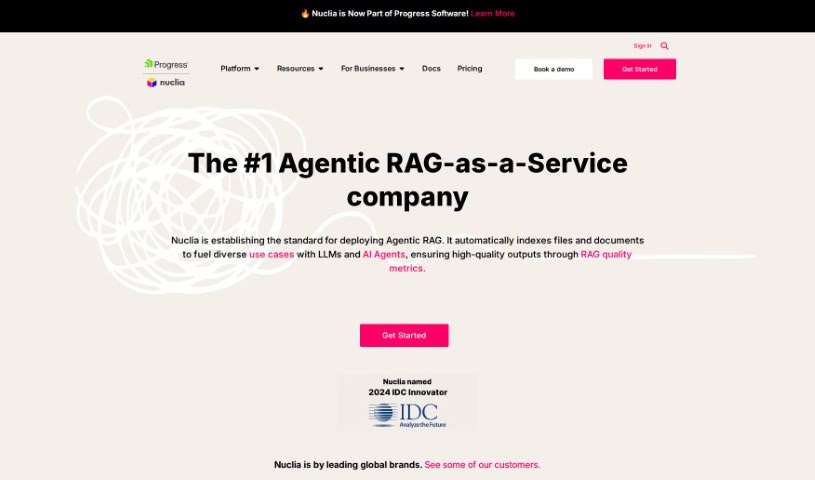
Nuclia is an AI-driven platform for indexing and searching unstructured data. It automatically organizes information from any source — including messy formats like emails or social media posts — so you can find what you need without manually digging through documents and files. Its interface is designed to be usable regardless of technical background, making it suitable for both work and personal projects.

Search Engines View Tool →
Screenshot of NURGO BrainSoup

NURGO BrainSoup

Freemium

BrainSoup is a platform for building AI agents that handle a wide range of tasks. You can chat with agents using text, images, and audio files. Specialized agents are organized into teams that collaborate in chat rooms focused on specific goals, with controls for managing AI-related risks.

Search Engines View Tool →
Screenshot of Nyckel

Nyckel

Freemium

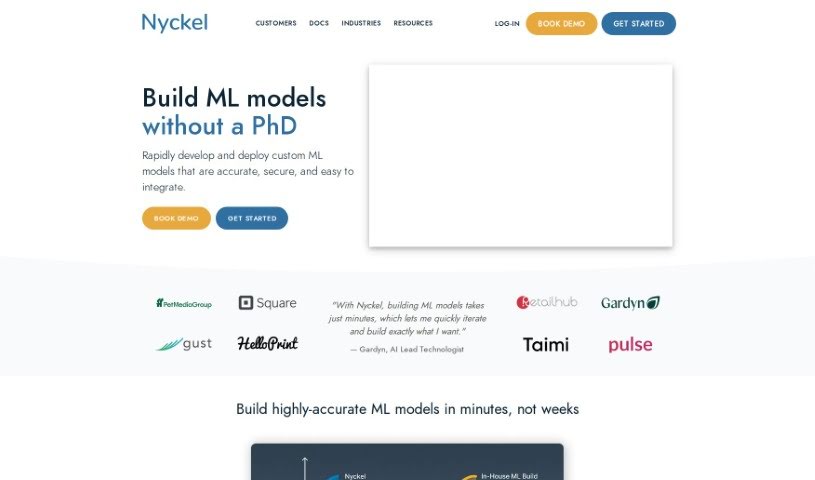
Nyckel is a platform for auto-labeling images and text with AI. It enables image and text classification for users without machine learning experience. Custom classifiers can be built for tasks like sorting photos, moderating text content, or labeling content in real time, with setup taking about 5 minutes.

Search Engines View Tool →
Screenshot of Ocular Ai

Ocular Ai

Freemium

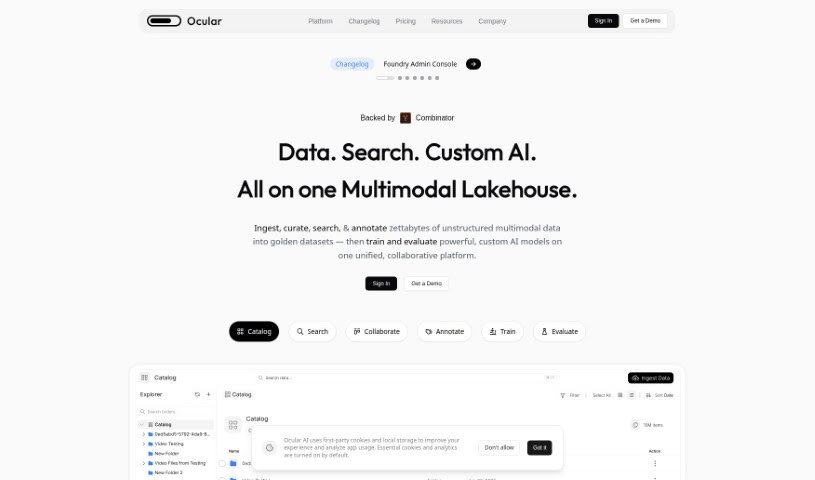
Ocular AI is an AI-powered search and data platform built for work and engineering teams. It unifies search across a company's applications, tools, and data sources, and layers on data visibility and actionable insights. Developed by engineers in Silicon Valley, it emphasizes strong search functionality, efficient data retrieval, cross-referencing between data points, and clear data visualization. Users can act directly on the insights they get, which helps streamline workflows and support better decisions.

Search Engines View Tool →
Screenshot of Omniscience

Omniscience

Freemium

Omniscience gives you instant access to relevant information from a wide range of sources. It pulls up content from your documents, websites, and team knowledge, helping you avoid repeating work and making it easier to share what you know with your team.

Search Engines View Tool →

About Search Engines tools

Staring at a page of ten blue links while trying to solve a specific technical problem or research an unfamiliar topic can drain your patience. I remember sitting at my desk for nearly an hour, opening fifteen separate browser tabs and scanning long articles, only to realize none of them directly answered my core question. Traditional search engines excel at matching keywords, but they often leave the heavy lifting to you: reading through pages of filler text, dodging invasive ads, and piecing together answers on your own.

These AI search engines, research discovery tools, and conversational web lookup platforms act as high-speed research assistants. They scan the open web, synthesize key facts, provide direct source citations, and give you concise answers in seconds without replacing critical thinking or source verification.

Synthesizing Answers, Refining Queries, and Parsing Data

Synthesizing multi-source information turns tedious research into clear summaries in seconds. Reading through dozens of articles to compare two complex concepts or summarize a breaking news event usually takes substantial time. Modern AI search platforms query the live web, read multiple pages simultaneously, and compile a single response that highlights key takeaways while linking directly to original sources so you can verify the details.

Refining queries through natural conversation makes complex research feel seamless. When an initial search query returns broad or slightly off-target results, traditional engines force you to guess new keyword combinations. AI-powered lookup tools let you ask follow-up questions, request simpler explanations, or add specific parameters—like “explain this for a beginner” or “focus only on studies from the last two years”—without starting your search over.

Parsing specialized documents and technical data uncovers hard-to-find insights quickly. Finding a specific metric hidden inside a 100-page financial report, a legal filing, or an academic paper often feels like hunting for a needle in a haystack. Specialized conversational search engines can read uploaded PDFs, analyze raw data tables, and calculate precise answers while citing the exact page numbers for reference.

Key Features to Look For:

  • Direct source citations: Platforms that link every inline claim to verifiable web pages, news articles, or research papers.
  • Live web indexing: Systems that pull real-time information from current web pages rather than relying solely on static, outdated training data.
  • Multimodal search inputs: Tools that let you upload images, screenshots, voice notes, or documents alongside your text queries.
  • Privacy-focused browsing: Search engines that deliver AI-synthesized answers without tracking your query history, building ad profiles, or selling your data.
  • Model switching and customization: Applications that let you toggle between different underlying AI models or customize source preferences for specialized topics.

Finding accurate information will always depend on your personal judgment, critical evaluation, and willingness to verify source material. Software can scan web pages, summarize articles, and pull direct quotes, but evaluating truth and context requires a human mind.

Check out the AI search tools below to upgrade your web research.

The Best AI Search Engines

  1. Perplexity: for understanding your search queries better
  2. Facecheck Id: for checking the authenticity of online profiles
  3. HIX.AI: for automating SEO tasks to get more traffic
  4. Onfido: for verifying identities for ad targeting
  5. Namelix: for boosting SEO with catchy domain names
  6. Veriff: for improving user verification for search results
  7. Andi Search: for quickly finding and summarizing complex facts
  8. Google Teachable Machine: for enhancing custom image searches
  9. Copyseeker: for improving image search accuracy and relevance
  10. Nyckel: for real-time news tagging in searches
  11. Shufti Pro: for detecting fraud in search engine ads
  12. Movie Wiser: for better film search results and filters
  13. Everypixel: for an efficient stock image search solution
  14. How normal am I?: for AI face assessment for search personalization
  15. Name Combiner: for optimizing blog names for better SEO
New tools, in your inbox.

Weekly picks of the best AI tools we've researched and added — no spam, unsubscribe anytime.

Join 25,000+ AI enthusiasts. No spam, unsubscribe anytime.