Juggling assignment deadlines, heavy textbook readings, exam preparation, and group project meetings can quickly turn a semester into an overwhelming game of catch-up. Between organizing research notes, checking essay drafts, deciphering complex equations, and tracking assignment schedules, academic prep takes up vast amounts of time and energy. When administrative tasks keep you from actually processing information, learning gets tough.
These AI study partners and academic tutors serve high schoolers, undergraduates, graduate researchers, and lifelong learners. They summarize dense readings, generate custom practice quizzes, transcribe lecture recordings, and organize study schedules in seconds without taking tests for you or writing essays from scratch.
Smarter Study Habits and Active Recall
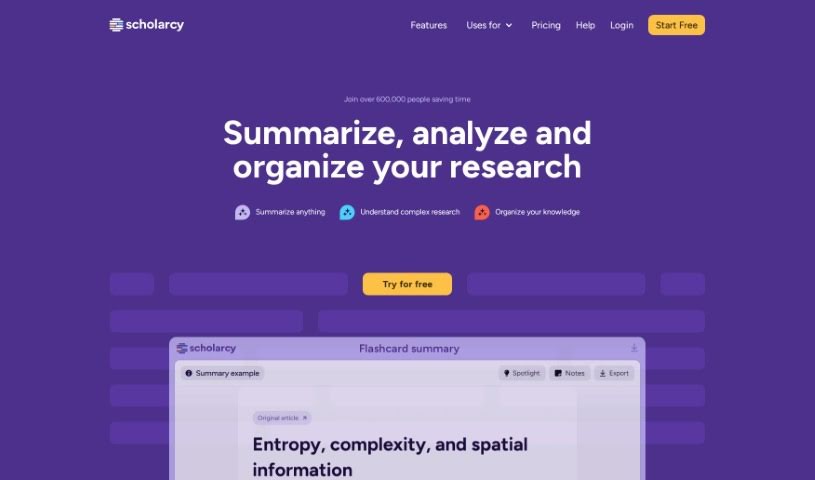
Transforming lecture notes and assigned readings into active study materials takes minutes instead of hours. Reading through dozens of pages of textbook chapters and trying to guess what will appear on the final exam often leads to review fatigue. Modern AI study assistants scan uploaded lecture slides, research PDFs, and class notes to build interactive flashcard sets, custom practice tests, and concise chapter summaries so you can test your knowledge right away.
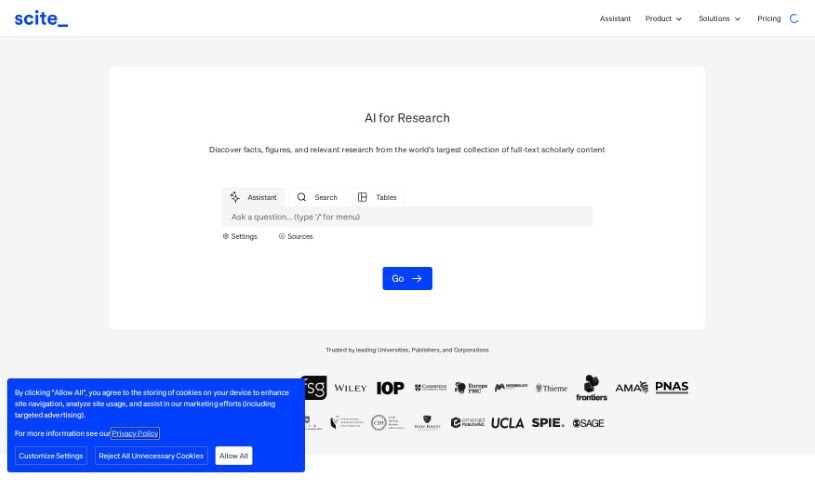
Gathering verified sources and outlining academic papers becomes far simpler. Searching traditional search engines for relevant, citable research often leaves you digging through endless irrelevant links. Specialized AI search platforms query academic databases, synthesize complex concepts into simple explanations, and provide direct, verifiable inline citations so you can build grounded outlines for your papers.
Capturing lecture details and polishing written assignments keeps your focus on comprehension. Trying to type down every word a professor says during a fast-paced lecture usually means missing the actual core point of the lesson. Intelligent audio transcription tools convert spoken class lectures into searchable text notes automatically, while AI proofreading tools check your written drafts for tone, clarity, and grammar errors before submission.
Key Capabilities to Look For:
- Source-grounded note summarization: Tools that analyze uploaded lecture PDFs and class notes to create accurate study summaries and outlines.
- Interactive practice test and flashcard generation: Systems that turn course materials into self-testing quizzes and spaced-repetition flashcards.
- Academic research with direct citations: Search tools that locate peer-reviewed papers and provide traceable, citable references for essays.
- Automated lecture transcription and key points: Applications that convert class recordings into structured, searchable text outlines.
- Writing clarity and citation formatting: Editors that fix grammatical errors, suggest sentence improvements, and generate correct bibliography formatting.
Academic growth will always depend on your curiosity, critical thinking, and willingness to engage with challenging concepts. Software can summarize a chapter, build a practice quiz, or organize your class schedule, but truly understanding the material requires your active mind.
Browse the student study tools below to simplify your school routine.
- Gauth: Get homework help 24/7 for any subject.
- StudyX: Tailored study help whenever and wherever you need it.
- Smodin: Improve your writing with instant feedback.
- Knowt: Create study notes and flashcards.
- Gizmo: Manage your study groups collaboratively.
- Turbo Learn AI: Get personalized study aids.
- Scite: Draft essays with research insights.
- Mathgptpro: Personalized math tutoring and guidance.
- Youlearn AI: Find tailored video suggestions to help you study.
- Study Fetch: Use interactive tools for exam prep.
- Revisely: Get instant feedback on your writing assignments.
- Microsoft Reading Coach Preview: Create personalized stories.
- Question AI: Get homework help and study guidance.
- Wasitai: A platform for collaborating in study groups.
- Mindgrasp AI: Take notes effortlessly during lectures.