Managing finances often feels like a constant battle against endless paperwork. Between reconciling bank statements, categorizing daily expenses, matching invoices, and building quarterly budgets, financial chores can easily take over your working hours. When you spend your entire week fixing spreadsheet errors and hunting down receipts, finding time to focus on real financial planning gets tough.
Think of these platforms as detail-oriented financial assistants. They don’t make risky investment decisions or replace certified financial advisors, but they handle routine data entry, speed up expense tracking, and flag unusual transactions before they escalate.
Automating Data Entry and Fraud Detection
Processing receipts and invoices manually takes up valuable time that could be spent on strategy. Smart accounting platforms read incoming bills, extract key numbers, and match transactions against your bank feeds automatically. That means fewer manual data entry mistakes and cleaner books at the end of every month.
Forecasting cash flow and spotting financial trends also gets much simpler. Predicting future cash positions based on past sales or seasonal shifts used to require complex formulas and hours of manual spreadsheet updates. AI tools scan historical ledger data to project future revenue and highlight potential cash shortfalls early, helping you make smarter spending decisions.
Fraud detection and audit prep see major improvements as well. Reviewing thousands of line items for mistakes or suspicious activity is tough for human eyes. Intelligent audit software monitors transactions continuously, flagging double payments, odd vendor entries, or policy breaches right as they happen so your team can resolve them quickly.
Key Capabilities to Look For:
- Accounting software integration: Platforms that link smoothly with tools like QuickBooks, Xero, or NetSuite to keep financial records synced.
- Automated receipt and invoice parsing: Features that extract dates, vendor names, and totals directly from photos or PDF attachments.
- Predictive cash flow modeling: Systems that analyze past income and expense patterns to forecast upcoming cash needs.
- Real-time anomaly detection: Software that scans your general ledger continuously to flag duplicate charges or potential fraud.
- Strong security and compliance: Tools built with bank-grade encryption and clear audit trails to keep sensitive financial data safe.
Managing money responsibly will always require human judgment, strategic thinking, and careful oversight. Software can’t make tough business choices or replace sound financial leadership. But by letting smart tools handle routine expense entry, bill matching, and ledger monitoring, you get the time and clarity needed to guide your business forward.
Browse the financial tools below to streamline your operations.
- Monarch: Great for visualizing and analyzing your financial data.
- Paddle: Simplifies the revenue reconciliation process.
- Ramp: Automates expense coding and reporting.
- Alpha By Public: Offers real-time market screening tools for investors.
- StockInvest.us: Provides financial data and risk assessment tools.
- Navan: Streamlines travel expense management.
- Ainvest: Helps analyze S&P 500 stocks with over a 6% dividend yield.
- TrendSpider: Identifies real-time market opportunities.
- DoNotPay: Helps you optimize your monthly budgeting.
- Pionex: Automates profits using user-friendly bots.
- Keepertax: Streamlines tax document management.
- Finchat.io: Offers tailored financial analysis tools.
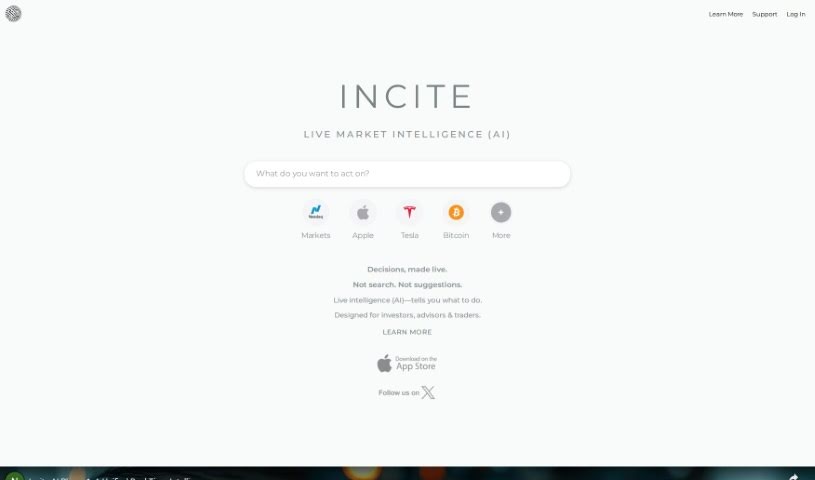
- Incite AI: Enhances stock portfolio optimization with AI.
- ChainGPT: Acts as an AI trading assistant for financial strategies.
- Danelfin: Provides AI-driven stock analysis tools.