Tracking search engine updates, mapping content clusters, and staring at endless keyword spreadsheets can make organic growth feel like a full-time decoding job. I remember spending two full days analyzing search intent for a product launch, painstakingly grouping hundreds of long-tail keywords into topic clusters, only for a subtle algorithm refresh to reshape the search landscape overnight. Between running site audits, writing meta tags, monitoring competitors, and hunting for quality backlinks, routine optimization work quickly eats up your schedule.
These search intelligence platforms analyze top-ranking pages, uncover keyword opportunities, and guide your content optimization in seconds without replacing your strategic judgment or understanding of user intent.
Automating Keyword Research, On-Page Tweaks, and Visibility
Automating keyword research and intent clustering takes minutes instead of days. Sorting thousands of raw search queries by volume, difficulty, and user intent usually leads to spreadsheet fatigue. Modern AI SEO tools group keywords into cohesive topic clusters, identify high-converting long-tail terms, and reveal hidden content gaps that your competitors missed.
Streamlining on-page optimization keeps your content competitive as search standards evolve. Balancing readability with keyword density, header structures, and internal links takes careful drafting. Intelligent optimization assistants analyze top-ranking search results in real time, giving you actionable recommendations for entity coverage, semantic terms, and ideal article length right as you write.
Tracking search engine visibility and monitoring generative answer features keeps your strategy ahead of the curve. As search engines incorporate direct AI summaries and conversational answers, traditional rank tracking alone doesn’t tell the full story. AI monitoring platforms track brand citations, analyze featured snippet placements, and audit your site’s technical health automatically, ensuring search engines can crawl, index, and reference your pages accurately.
Practical Capabilities to Consider:
- Semantic keyword clustering: Tools that group raw search queries into logical topic hierarchies based on user intent.
- Real-time content scoring: Editors that grade your drafts against top-ranking pages, suggesting relevant terms and headers in real time.
- Generative search & citation tracking: Features that monitor how your brand appears across AI-driven search overviews and traditional result pages.
- Automated technical site audits: Systems that scan your site structure, internal links, and page speeds to flag crawl errors instantly.
- Competitor gap analysis: Applications that compare your domain against industry rivals to highlight untapped keyword opportunities.
Driving sustainable search traffic will always depend on your strategic insight, domain authority, and commitment to creating genuinely helpful content. Software can cluster keywords and grade an article’s technical score, but understanding what your audience truly needs requires a human touch.
Explore the SEO tools below to strengthen your search strategy.
- Ahrefs: Great for keyword research and analysis.
- vidIQ: Helps you optimize videos for search visibility.
- SE Ranking: Good for tracking and analyzing keywords.
- Surfer: Offers real-time SEO optimization insights.
- Rank Math: Ideal for optimizing blog content for search.
- Serpstat: Useful for SEO audits and website optimization.
- Localo Sites: Automates local SEO for businesses.
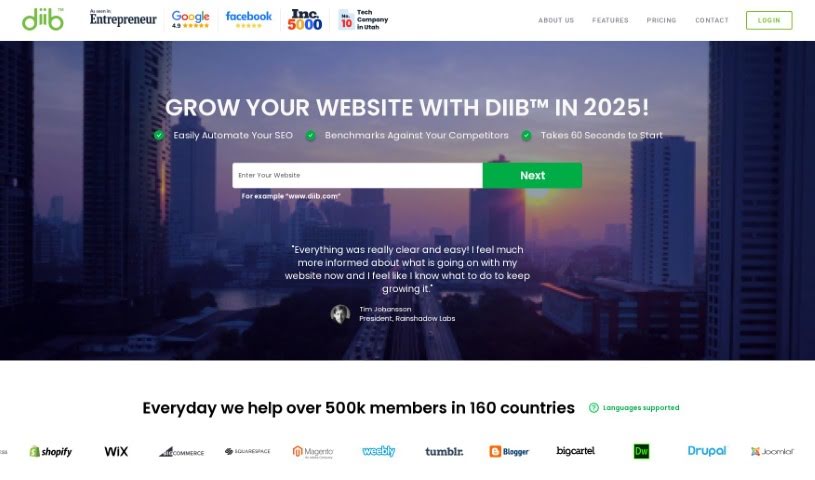
- Diib: Helps with keyword tracking and ranking analysis.
- Local Falcon: Tracks local SEO performance.
- Scalenut: Provides SEO optimization with real-time insights.
- Adaptify: Automates SEO strategy, content and PR link building for agencies.
- Link Whisper: Optimizes internal links for better SEO.
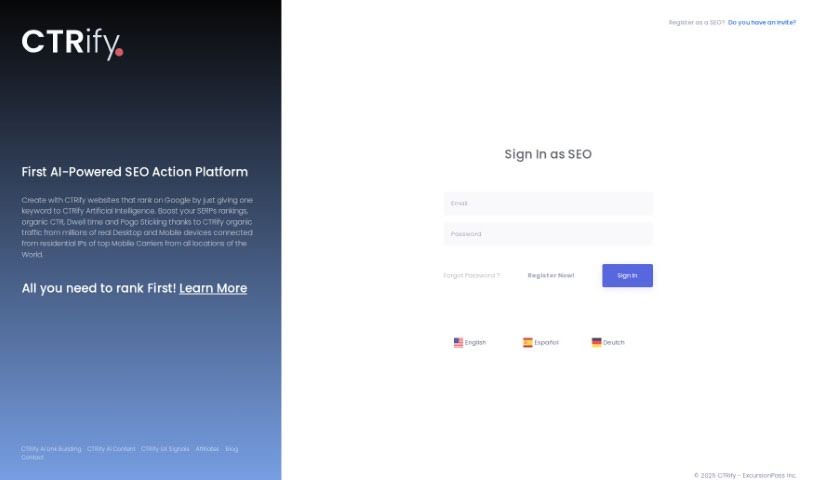
- Ctrify: Boosts organic traffic through optimization.
- RivalFlow: Focuses on SEO optimization and content gap analysis.
- Get Genie Ai: Offers SEO content optimization insights.