Between outlining sprawling plot lines, tracking character arcs, worldbuilding, and editing draft after draft, finishing an 80,000-word manuscript takes immense energy. When writer’s block hits or structural flaws stall your manuscript, staying motivated gets tough.
The writing platforms in this category act as high-speed sounding boards and story assistants. They won’t write your novel for you or replace your creative voice, but they help you brainstorm plot twists, organize lore, and refine scene pacing.
Plot Brainstorming, Lore Bibles, and Prose Polish
Overcoming plot blocks and mapping story arcs takes far less time with interactive brainstorming partners. When you hit a dead end in your plot, talking through alternative story directions helps spark fresh ideas. AI writing tools offer “what-if” scenarios, suggest character choices, and help you structure chapters according to classic story frameworks like the Hero’s Journey or Save the Cat.
Organizing complex worldbuilding details and character backstories becomes much easier across long projects, as well. Tracking character eye colors, timeline events, and magic system rules in separate notebooks usually leads to continuity errors. Intelligent story databases store your world details, track character relationships, and answer questions about your manuscript lore in seconds.
Polishing rough scenes and improving prose pacing gets much smoother during revision passes. Spotting repetitive phrasing, awkward dialogue, or slow pacing during a second draft often requires multiple passes. Smart editing software analyzes your prose, flags passive voice, highlights overused words, and suggests dialogue tweaks while respecting your unique writing style.
Key Capabilities for Novelists:
- Long-context manuscript tracking: Software that remembers character names, timeline events, and setting rules across entire books without losing context.
- Interactive plot brainstorming: Features that help you explore alternative story paths, map chapter arcs, and resolve structural plot holes.
- Custom style and voice matching: Settings that let software analyze your writing style so suggestions match your narrative tone.
- Character and lore databases: Organizers that track character backstories, motivations, and setting details in one connected workspace.
- Prose refinement and pacing analysis: Applications that flag repetitive phrasing, weak verbs, and slow-paced scenes in your draft.
Writing a memorable novel will always depend on human imagination, emotional truth, and authentic storytelling. Software can help brainstorm plot paths and track story lore, but giving life to characters requires your personal vision. Letting smart tools handle routine outlining and scene feedback gives you back the energy needed to tell your story.
Check out the writing tools below to find the right partner for your novel.
- Novel AI: Great for creating engaging stories with AI help.
- Open Read: Perfect for organizing your manuscript smoothly.
- Wordware AI: Helps you generate immersive fantasy novels.
- novelist AI: Lets you craft unique stories with ease.
- Novel.sh: Streamlines the process of drafting your novel.
- Bookwiz: Offers smooth plot development and feedback.
- Metos: Use it to craft immersive stories packed with detail.
- Subtxt: Quickly outline the main points of your story.
- Aistorygenerator.com: Boosts storytelling for novelists.
- Shy Editor: Simplifies novel drafts and revisions.
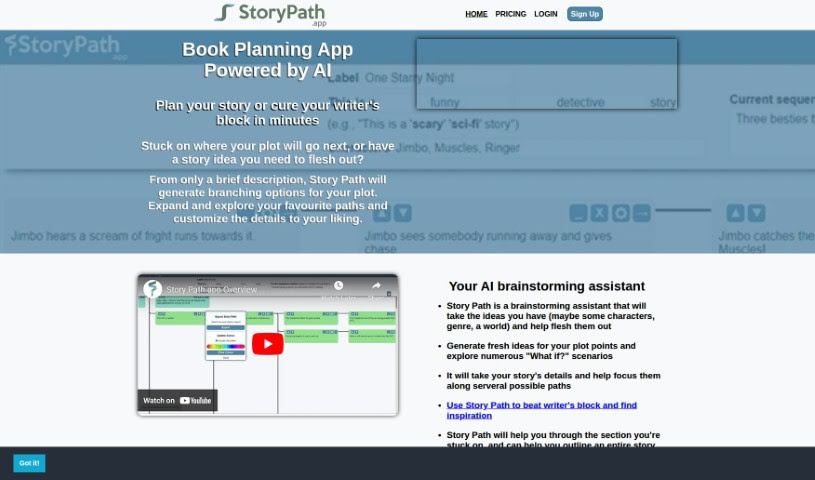
- Story Path: Enhances the plot structure of your novels.
- Book Wizard AI: Helps organize novel chapters smoothly.
- Scene One: Streamlines your novel’s plot and structure.
- AIStory Builders: Offers smooth plot creation for novelists.
- Insta Novel: Streamlines story ideas and outlines.