Game development has changed a lot recently, with AI becoming a great helper for developers. These smart tools are changing how games are made, from building immersive worlds to designing complex gameplay. We’re past the days when coding and art design needed huge teams and lots of money; now, even indie developers can use advanced AI to bring their ideas to life.
As the gaming industry keeps growing, there’s a fantastic range of AI tools available to help at every step of development. Whether you’re creating characters, generating realistic environments, or making sure your game runs smoothly, there’s probably an AI solution for you. These tools don’t just spark creativity; they also simplify workflows, letting developers focus on new ideas instead of repetitive tasks.
I’ve spent a good amount of time looking into various AI tools that can really help your game development journey. In this article, I’ll share a handpicked list of the top options out there right now. From creating graphics and sound to even writing behavior scripts, these tools can help turn your game concepts into reality.
No matter if you’re a seasoned pro or just starting out, the right AI tools can make your projects shine and boost your productivity. Let’s jump into the world of AI-powered game development and explore the technologies that can transform how you create.
- AI Dungeon: Great for designing interactive stories for games.
- Rosebud AI: Helps you craft unique game assets and code.
- Friends & Fables: Offers dynamic storytelling tools for RPGs.
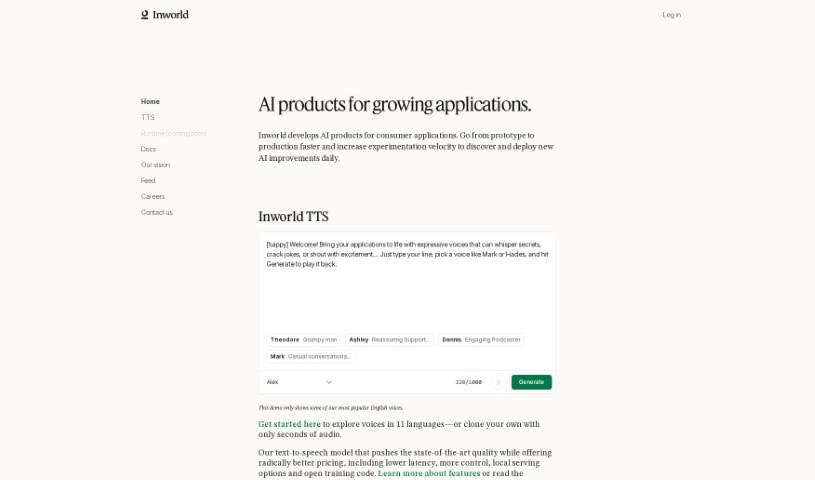
- Inworld AI: Provides AI-generated assets to simplify design.
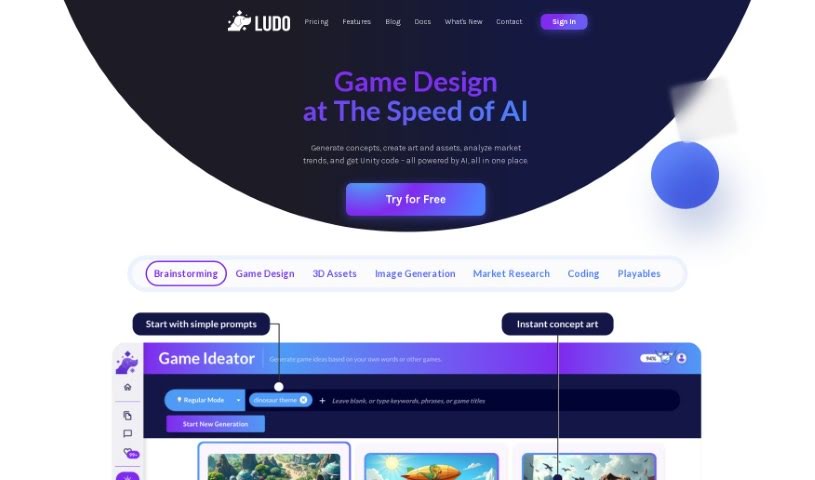
- Ludo.ai: Offers solutions for interactive game prototyping.
- Skingenerator.io: Lets you create custom character skins for games.
- Google SIMA AI: Ideal for designing dynamic NPC behavior.
- RPGGO AI: Generates dynamic NPC dialogue.
- Superagent: Useful for finding and analyzing game assets.
- Sprite Fusion: Helps create tilemaps for platformer games.
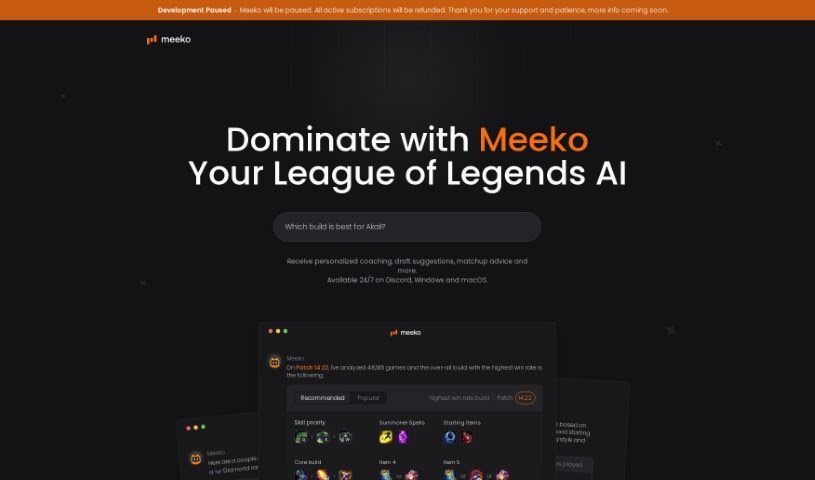
- Meeko: A system for managing game assets in real-time.
- Chess GPT: Good for prototyping and testing chess game mechanics.
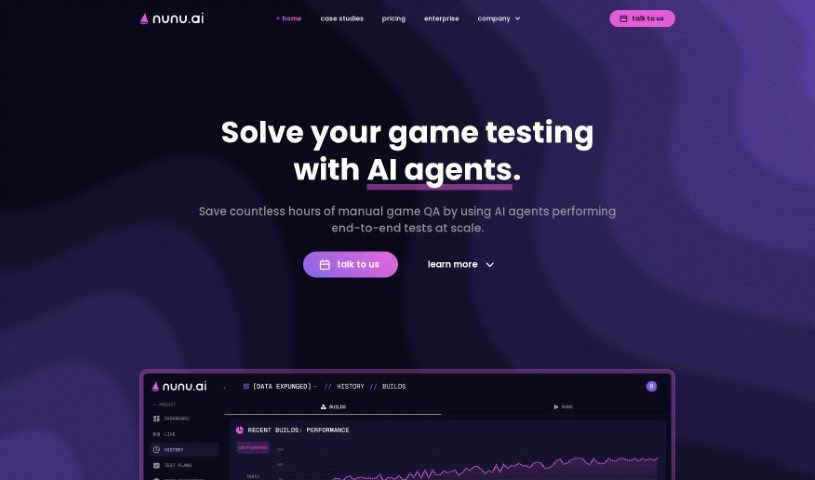
- Nunu: Aids in dynamic gameplay testing and interaction.
- Dreamlab: Lets you create multiplayer games using AI assets.
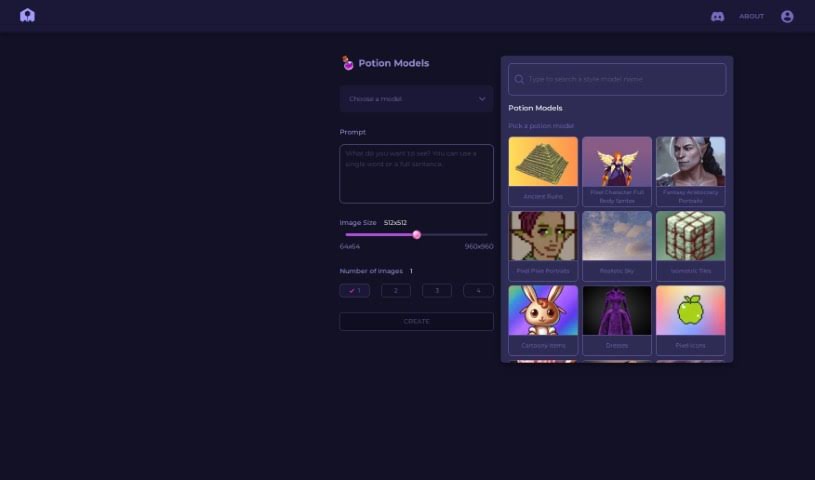
- Pixel Vibe: Quickly creates game character sprites.
AI game development tools use machine learning, especially for generating content automatically, to make the gaming experience better. These tools can build complex game worlds, design characters, and even write interactive stories, often with little help from people. By looking at tons of game data, they learn how to create content that’s engaging and unique, giving developers new ways to improve their projects.
A big plus for AI in game development is its ability to adapt and learn from how players play. Using player data, these tools can change gameplay on the fly, matching experiences to what each player likes. This could mean adjusting difficulty, suggesting in-game purchases, or even altering the story based on player choices, making the game feel more personal.
AI tools can also help with game testing, taking over the boring parts of quality assurance. They can run through thousands of gameplays to find bugs, problems, and balancing issues. This makes development faster, letting teams focus on creative work while ensuring the final game is polished. Machine learning algorithms can even guess how much players will enjoy the game, helping developers make smarter choices.
Plus, AI art generation tools are making a big impact by creating visuals like textures, environments, and character models. These tools use generative adversarial networks (GANs) to produce high-quality images based on styles artists provide. This lets developers push creative limits without using up too much time or money.
So, AI game development tools are really changing how games are made and played. They automate repetitive tasks, personalize player interactions, and generate content, giving developers a powerful set of tools. As these technologies keep improving, we can expect even more creative solutions that push the boundaries of gaming creativity.
| Rank | Name | Best for | Plans and Pricing | Rating |
|---|
| 1 | AI Dungeon | designing interactive stories for games. | N/A | 4.54 (39 reviews) |
| 2 | Rosebud AI | crafting unique game assets and code. | N/A | 4.29 (7 reviews) |
| 3 | Friends & Fables | dynamic storytelling tools for RPGs. | N/A | 4.17 (12 reviews) |
| 4 | Inworld AI | AI-generated assets to simplify design. | N/A | 4.20 (5 reviews) |
| 5 | Ludo.ai | solutions for interactive game prototyping. | Paid plans start at $80/month. | 3.71 (28 reviews) |
| 6 | Skingenerator.io | custom character skins for games. | Paid plans start at $2.49/month. | 4.70 (63 reviews) |
| 7 | Google SIMA AI | designing dynamic NPC behavior. | N/A | 4.78 (27 reviews) |
| 8 | RPGGO AI | generating dynamic NPC dialogue. | N/A | 4.64 (11 reviews) |
| 9 | Superagent | finding and analyzing game assets. | N/A | 4.18 (11 reviews) |
| 10 | Sprite Fusion | creating tilemaps for platformer games. | N/A | 4.83 (23 reviews) |
| 11 | Meeko | managing game assets in real-time. | N/A | 4.76 (42 reviews) |
| 12 | ChessGPT | prototyping and testing chess game mechanics. | N/A | 4.17 (6 reviews) |
| 13 | Nunu | dynamic gameplay testing and interaction. | N/A | 4.67 (24 reviews) |
| 14 | Dreamlab | creating multiplayer games using AI assets. | N/A | 4.82 (11 reviews) |
| 15 | PixelVibe | quickly creating game character sprites. | N/A | 4.17 (6 reviews) |