Juggling lecture schedules, endless textbook readings, lab reports, and upcoming midterms can turn any semester into a high-stress balancing act. Between managing group projects, writing research papers, and trying to maintain a social life, keeping up with coursework often feels overwhelming. It’s easy to waste late nights trying to organize messy lecture notes or struggling to break down dense academic papers.
These AI platforms act as specialized study partners for university students. They don’t write essays, take exams, or shortcut your education, but they help organize lecture materials, create custom practice quizzes, and streamline your study sessions.
Synthesizing Coursework, Active Recall, and Paper Prep
Taming dense course materials and lecture slides is often the biggest hurdle during a busy term. Smart study assistants scan uploaded PDFs, recorded lectures, and reading assignments to produce concise summaries, structured outlines, and audio overviews. Instead of re-reading a hundred pages of dense text before a seminar, you get key takeaways and interactive study guides that help you review material faster.
Preparing for exams through active recall and self-testing gets much easier, as well. Memorizing formulas, dates, or complex theories by passive reading rarely leads to top grades. Educational AI tools turn class notes into flashcard decks, multiple-choice practice tests, and step-by-step concept explanations so you can test your knowledge and spot gaps before test day arrives.
Drafting papers and staying organized across multiple courses also becomes far less stressful. Balancing research for history, problem sets for math, and writing assignments for literature requires serious project management. AI writing and research tools help map out essay structures, find cited academic sources, check grammar, and build daily study schedules that prevent last-minute cramming.
Key Capabilities to Look For:
- Document and textbook synthesis: Systems that summarize uploaded PDFs, slide decks, and research articles while pointing directly to source pages.
- Practice test and quiz generation: Tools that turn lecture notes and study guides into customizable practice exams and flashcard sets.
- Concept simplification and tutoring: Features that break down complex equations, scientific theories, or dense philosophy into step-by-step explanations.
- Source-grounded research assistants: Tools that help scan academic papers, extract key arguments, and generate accurate citations.
- Study management and planning: Applications that help organize course deadlines, draft assignment outlines, and schedule study sessions.
Earning your degree will always depend on your dedication, critical thinking, and genuine curiosity. Software can’t replace your personal growth, evaluate complex ideas, or replace the effort needed to master a subject. But letting smart tools handle routine note organization, flashcard building, and draft editing gives you back the time and mental energy needed to succeed in college.
Take a look through the tools below to upgrade your study habits and take control of your semester.
- Connected Papers: Helps you create thesis bibliographies with ease.
- Packback: Encourages inquiry-driven peer discussions.
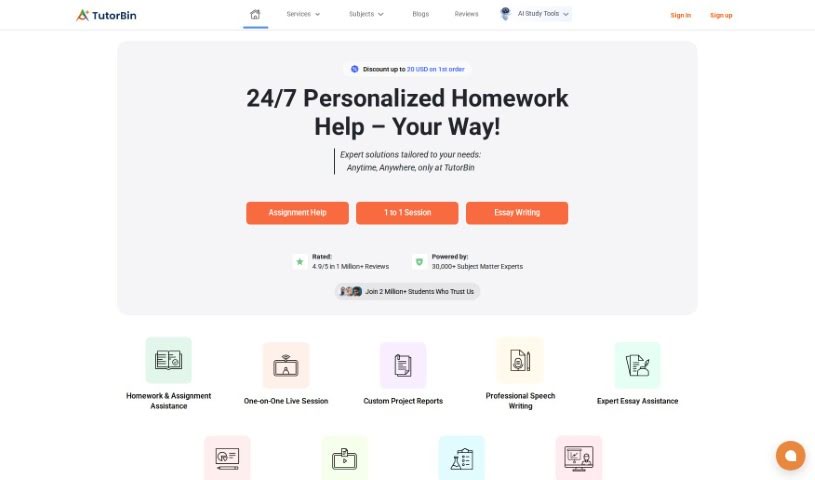
- TutorBin: Offers personalized homework assistance.
- Codemia: Great for system design preparation.
- Snipo: Streamlines lecture notes and flashcards.
- R.test: Evaluates SAT/ACT prep and readiness.
- Creative Intell: A study aid for project brainstorming.
- Alevels: Provides personalized study plans for university success.
- AI Homework Course Hero: Offers 24/7 expert help for assignments.
- Askvideo.ai: Lets you get instant Q&A from lecture videos.
- Reach Best: A tool for finding the best-fit university.
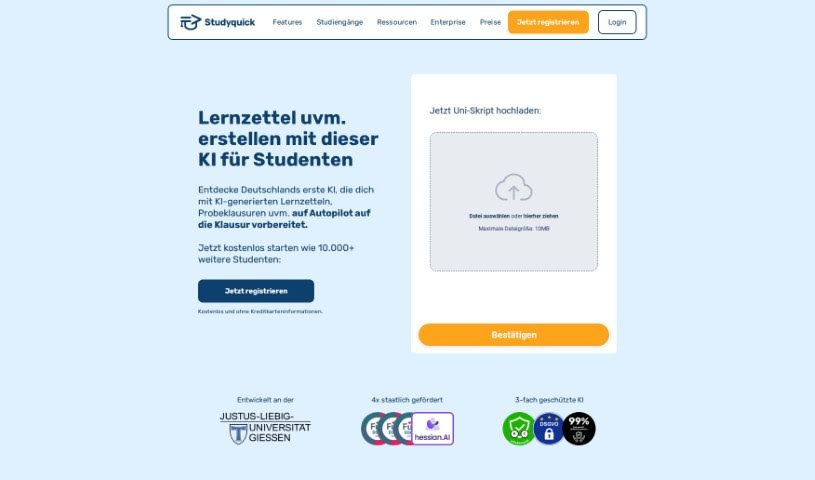
- Studyquick: Offers AI study support for exam prep.
- ProfBot: Gives real-time feedback for study improvement.
- Larq: Creates engaging quizzes for remote students.