Whether you’re working on a non-fiction business guide, a personal memoir, or a sprawling fantasy novel, the sheer volume of work can stall your progress before you even complete chapter one. Keeping track of main arguments, background research, and tone across hundreds of pages takes massive discipline.
The AI tools in this category are built specifically for long-form book projects. They won’t magically write a bestseller while you sleep, nor should they. Instead, think of them as reliable editorial assistants that help you structure chapters, organize research, and keep your drafting momentum alive.
Turning scattered notes into a finished book starts with a clean outline. AI outline builders take your core idea and suggest logical chapter flows, subtopics, and transition points. If you’re writing a guide on personal finance, for example, the software can suggest logical steps from basic budgeting up to long-term investing, ensuring you don’t skip essential concepts along the way.
When you reach the drafting phase, writer’s block usually hits when you try to connect two complex ideas. Generative writing assistants can expand rough bullet points into smooth prose or offer fresh ways to explain difficult topics. You retain total control, editing every phrase to match your voice, but you spend far less time staring at a blank document.
Reviewing a full draft is where many authors lose momentum. Human readers notice when an argument in chapter eight contradicts a statement made in chapter two. Modern editing tools scan your entire document at once. They catch shifts in tone, flag repetitive words, and highlight gaps in logic across your entire manuscript.
Useful Capabilities to Look For
- Long-context memory: Tools that evaluate full manuscripts rather than short snippets, keeping facts and tone consistent across chapters.
- Chapter outline builders: Systems that break down broad book concepts into structured tables of contents and scene breakdowns.
- Research tracking: Features that organize background notes, links, and reference material alongside your draft text.
- Voice customization: Applications that adapt to your personal writing style so suggestions match your natural voice.
- Publishing format export: Software that cleans up your completed draft for self-publishing platforms or formal editor submissions.
Writing a book will always require your unique perspective, research, and personal stories. Readers connect with genuine human experience, not computer-generated filler. But using smart tools to structure your ideas, track details, and clean up long drafts lets you focus on telling a great story or sharing what you know.
Take a look through the options below to find the right fit for your manuscript.
- Squibler: Great for planning and drafting novels together.
- OpenRead: Helps book authors streamline their research.
- Wordware AI: Lets you generate novels from your ideas.
- Ebookmaker: Simplifies the process of writing digital books.
- novelistAI: Makes outlining your novel feel effortless.
- Bookbud: For easy book creation and publishing.
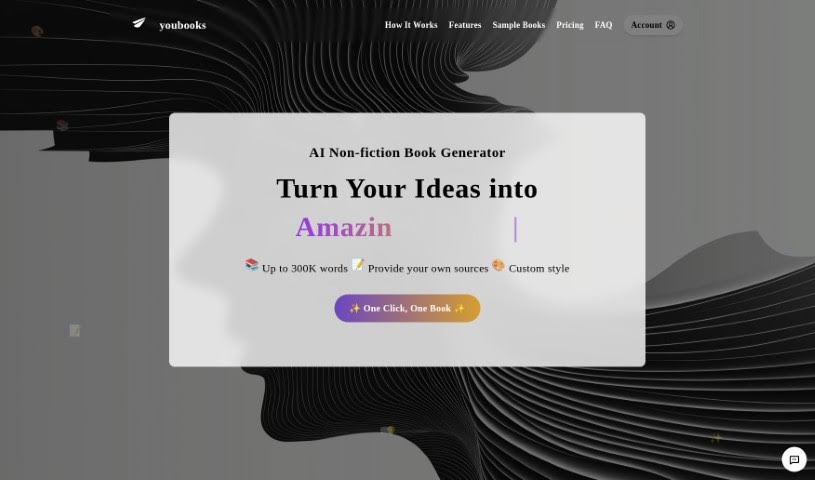
- Youbooks.com: Streamlines the novel creation process.
- Bookwiz: A helpful tool for developing your narrative.
- Copylime: Offers efficient tools for drafting and editing novels.
- Bookclub: Reading recommendations that help you find books and build reading lists.
- MagicBookifier: Effortlessly drafts ebooks from audio talks.
- Kindred Tales: Helps you craft unique memoirs with guided prompts.
- Infinite Pages: Creates personalised illustrated picture books where you are the main character.
- Story Path: Streamlines plot development for novels.
- Bookwitch: Effortlessly streamlines ebook creation.