Learning a new language used to feel like a chore, right? Think endless lists of words, tricky grammar rules, and practicing pronunciation over and over. But AI tools are really changing the game for language learners. You’re not stuck in a classroom or with old textbooks anymore. Now, you can find interactive, personalized experiences that fit exactly what you need.
From voice recognition to smart flashcards, today’s AI tools are built to make learning languages fun and effective. They can adjust to your speed, knowing when you need a bit more practice or when you’re ready for something new. It’s like having your own tutor available anytime.
With so many options out there, picking the right tools can seem a bit much. That’s where I can help. I’ve spent a good amount of time looking into the best AI language learning tools available. I checked out their features and how they feel to use. Whether you’re just starting out with a new language or you’re already pretty good and want to polish your skills, this guide has something for you.
In the next few sections, I’ll share the top AI language learning tools that I think will really boost your language journey, making it more enjoyable and effective. Let’s dive into the best ones and find what works best for your learning style.
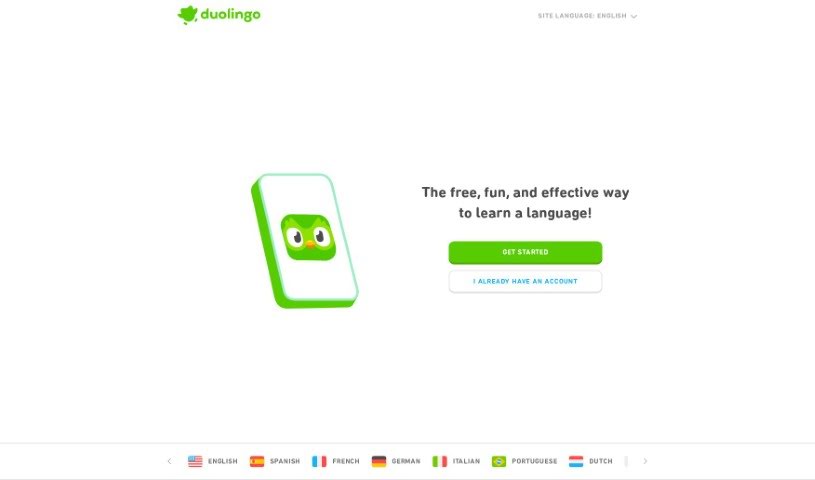
- Duolingo for a fun, game-like learning experience
- Memrise for practicing with native speakers
- Talkpal for daily practice with native speakers.
- Bold Voice for improving how you pronounce words
- Trancy for custom learning decks for studying languages
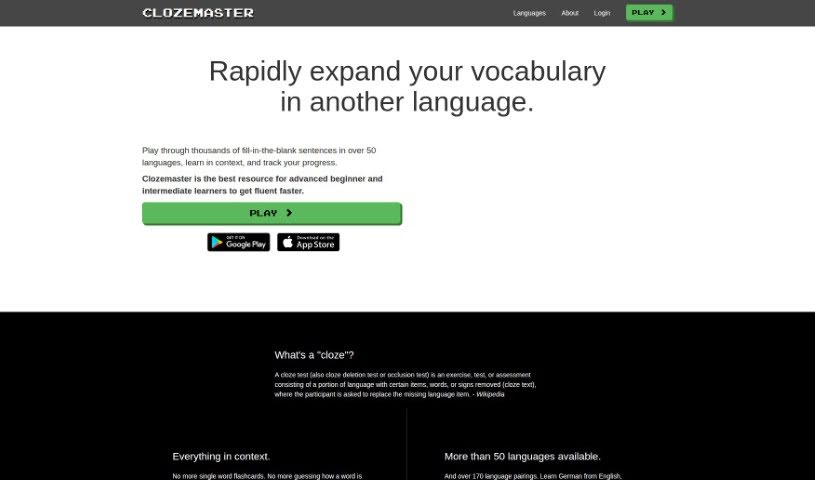
- Clozemaster for practicing vocabulary using context clues.
- Speak for immediate feedback during language practice.
- Jumpspeak for practicing conversations in real-life situations.
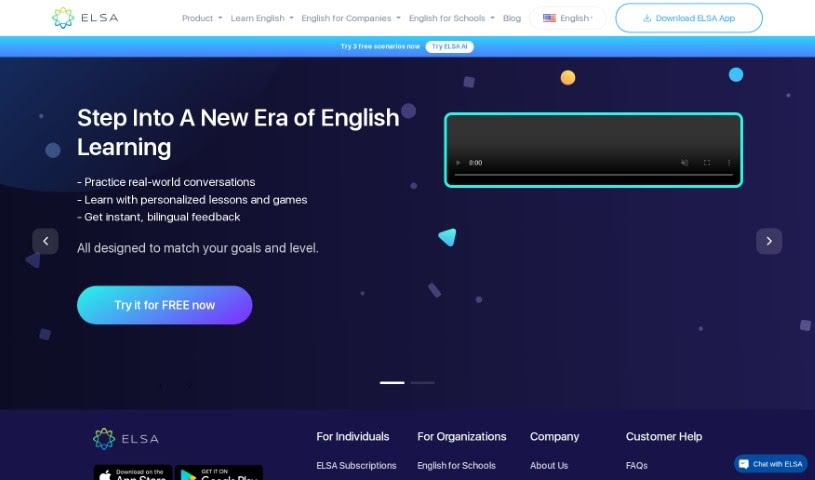
- ELSA Speak for improving English pronunciation skills
- Gliglish for boosting fluency with interactive practice
- Pronounce for better pronunciation and grammar learning.
- Praktika for interactive speaking practice
- Leya AI for interactive language practice sessions.
- Langotalk for improving grammar with AI-powered tips
- Get Fluently for improving English fluency through feedback
AI language learning tools use smart algorithms to look at language patterns and how users interact with them. Basically, many of these tools use natural language processing (NLP) models. These models are designed to understand and create human language. This lets learners have conversations, take quizzes, and do exercises that change based on how well they’re doing.
When you type something into an AI language learning app, it figures out what you’ve entered and guesses the best replies or corrections. It does this using huge amounts of language data. This data comes from books, articles, conversations, and other sources, so the models get a really good grasp of different language details.
Plus, many AI language learning tools use spaced repetition systems (SRS) to help you remember vocabulary. SRS algorithms figure out the best times to review new words or phrases. This helps you remember things long-term and keeps you interested with game-like features.
For example, these tools often include things like pronunciation feedback, grammar checks, and personalized learning plans. By looking at how you perform, they can create lessons that focus on what you find difficult and build on what you’re good at, giving you a learning path just for you.
Companies like Duolingo and Babbel use these methods to create immersive learning environments. They combine AI’s abilities with engaging content to make learning languages more effective and accessible for everyone, no matter their age.
So, in short, AI language learning tools use clever algorithms and lots of language data to create interactive, personal experiences. They make learning better by using adaptive techniques that fit what each learner needs, making language acquisition faster and more enjoyable.
| Rank | Name | Best for | Plans and Pricing | Rating |
|---|
| 1 | Duolingo | A fun, game-like learning experience | N/A | 4.80 (20 reviews) |
| 2 | Memrise | Immersive practice with native speakers | N/A | 4.77 (13 reviews) |
| 3 | Talkpal | Daily practice with native speakers. | Paid plans start at $11.99/month. | 3.62 (13 reviews) |
| 4 | BoldVoice | Improving pronunciation skills | N/A | 5.00 (28 reviews) |
| 5 | Trancy | Personalized learning decks for language study | N/A | 4.75 (52 reviews) |
| 6 | Clozemaster | Vocabulary practice through context clues. | N/A | 4.67 (6 reviews) |
| 7 | Speak | Instant feedback for language practice. | N/A | 4.64 (11 reviews) |
| 8 | Jumpspeak | Conversational practice in real-life scenarios. | N/A | 4.77 (22 reviews) |
| 9 | ELSA Speak | Improving English pronunciation skills | N/A | 4.78 (54 reviews) |
| 10 | Gliglish | Boosting fluency through interactive practice | N/A | 4.69 (16 reviews) |
| 11 | Pronounce | Enhancing pronunciation and grammar learning. | N/A | 4.71 (17 reviews) |
| 12 | Praktika | Interactive speaking practice | N/A | 3.89 (9 reviews) |
| 13 | Leya AI | Interactive language practice sessions. | N/A | 4.73 (26 reviews) |
| 14 | Langotalk | Enhancing grammar with AI-powered tips | N/A | 4.00 (12 reviews) |
| 15 | GetFluently | Enhancing English fluency through feedback | N/A | 4.89 (28 reviews) |