Chemistry can be both exciting and tough. It’s full of tricky concepts, complex equations, and lots of different uses, so many students and pros find it challenging. But what if there were tools to make things simpler?
Lately, artificial intelligence has made big leaps in education, and that includes chemistry. A bunch of AI tools now help with everything from balancing chemical equations to picturing molecular structures. These new ideas can help you understand and remember things better, making chemistry more approachable for everyone.
Whether you’re a high school student just starting chemistry or an experienced researcher digging into advanced topics, the right AI tools can really change how you work. I’ve looked into some of the best options out there, checking out their features, how easy they are to use, and how well they work.
With so many tools popping up, you might wonder which ones are actually worth your time. Let’s check out the best AI tools for chemistry that can help you explore the subject more deeply and understand it better.
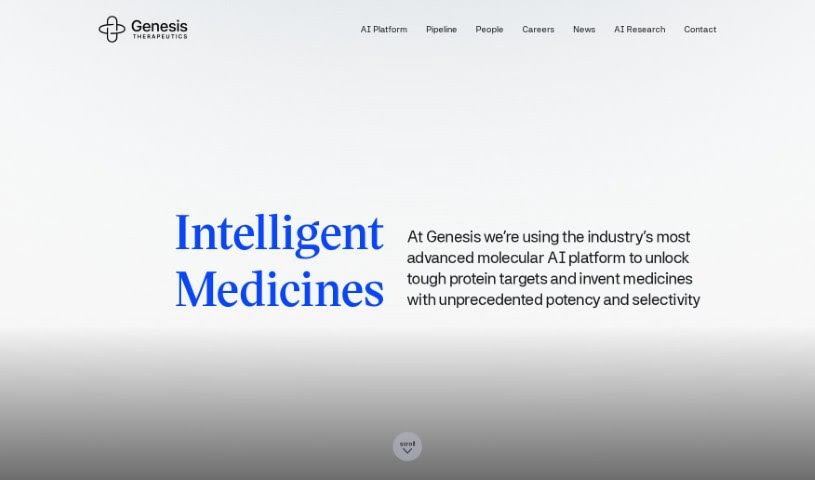
- Genesis Therapeutics for exploring unexplored chemical space
- Lavo Life Sciences for optimizing drug stability for formulations
- Labnote Ai for streamlining chemical experiment documentation
When you look for AI chemistry tools, you’ll find different platforms offering services like molecular modeling, predicting compounds, and analysis. At their heart, these tools often use smart algorithms that look at chemical data and guess how things will interact, based on how similar compounds have behaved before.
Most AI chemistry applications use machine learning. They’re trained on huge amounts of data from chemical databases, research papers, and lab notes. By sorting through all this information, they find patterns that help predict chemical properties.
For example, when you input a chemical formula or specific settings, the AI checks similar compounds it’s learned about to guess what might happen. This could be how likely a reaction is, how stable something might be, or even if a new material could be created.
It’s a bit like how AI writing tools predict words based on what came before. AI chemistry tools predict chemical behaviors based on molecular structures and known interactions. Basically, they let chemists run experiments virtually, saving time and resources compared to physical labs.
Companies and research places are quick to adopt these tools, not just for efficiency but also to boost innovation in drug development and material science. That’s because they can simulate thousands of interactions much faster than real-world experiments.
If you want to really understand how these tools work, you might look into resources about machine learning in chemistry, including real-world examples and theories. AI chemistry tools still have some hurdles, but they have the potential to really change the field as they keep getting better.
| Rank | Name | Best for | Plans and Pricing | Rating |
|---|
| 1 | Genesis Therapeutics | Exploring unexplored chemical space | N/A | 4.77 (26 reviews) |
| 2 | Lavo Life Sciences | Optimizing drug stability for formulations | N/A | 4.78 (23 reviews) |
| 3 | Labnote Ai | Streamlining chemical experiment documentation | N/A | 4.83 (6 reviews) |