In today’s super-fast software development world, testing is a make-or-break phase for any project. Old-school testing methods often just can’t keep up with the pace needed for agile development and continuous integration. That’s where AI comes in, offering smart tools that promise to boost both efficiency and accuracy.
AI tools for software testing have come a long way. They’ve moved beyond simple automation scripts to become sophisticated systems that use machine learning and predictive analytics. These improvements don’t just make testing smoother; they also help catch potential problems before they turn into expensive headaches.
After spending weeks looking into the best options out there, I’ve put together a list of standout tools that can really level up your testing strategies. Whether you’re focused on functional, performance, or security testing, there’s a solution here that should fit your needs.
As AI keeps changing the game in software testing, it’s crucial to know which tools actually deliver real value. So, let’s jump into the world of AI-driven testing tools and see how they can transform your development cycle.
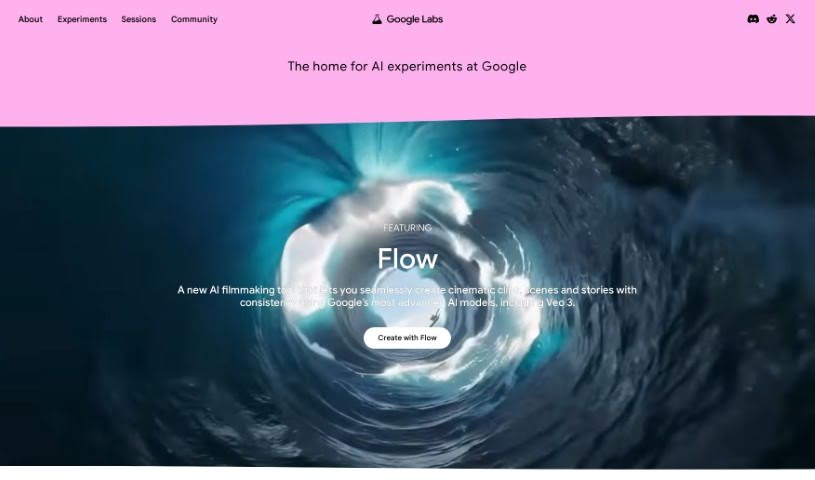
- Google Labs for automating AI-driven bug detection.
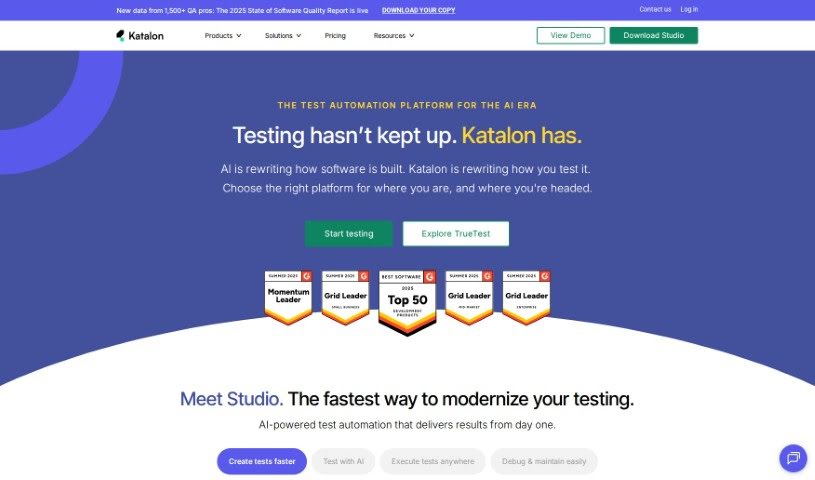
- Katalon for making regression testing automation smoother.
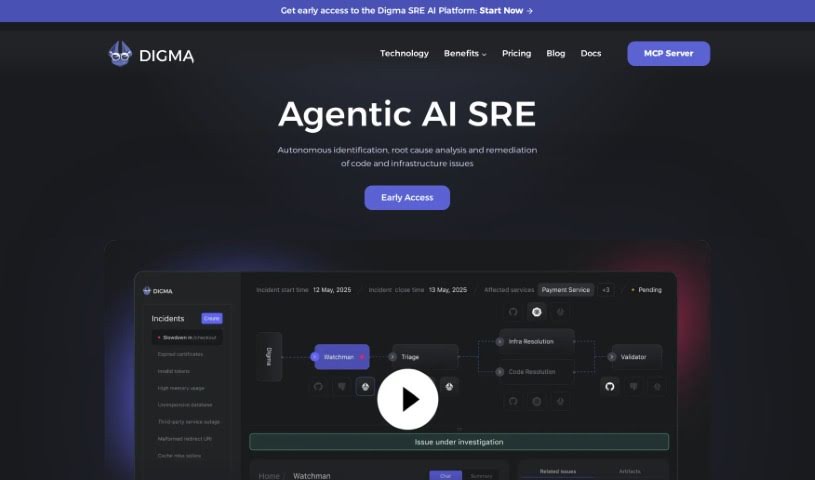
- Digma for pinpointing test execution performance.
AI software testing tools use advanced algorithms and machine learning to make the testing process more efficient. Basically, these tools look at code and how a system behaves to find potential errors, security weaknesses, and performance issues. This automation not only speeds up testing but also makes it more accurate by cutting down on human mistakes.
The way these tools work is a mix of data-driven models and set rules. They take in information from existing code, user stories, and testing guidelines to automatically create test cases. This process, called intelligent test case generation, can come up with scenarios that human testers might not think of.
Once the test cases are ready, AI testing tools run them across different environments to mimic how people would actually use the software. This gives a thorough check of the software’s functions, performance, and security. By running these tests constantly, the tools gather data that helps improve future testing, meaning issues get found and fixed faster than with older methods.
AI testing tools often connect with the development environments and workflows you already use, making it easier for teams to collaborate. They provide helpful reports and analytics, so developers and testers can make smart decisions about software quality. These insights can highlight the most important areas to improve, boosting overall software reliability.
Like any AI solution, how well these testing tools work really depends on the quality of their algorithms and the data they’re trained on. Processing lots of code and testing data helps create models that can predict problems more effectively. This builds a cycle where the tools get better and better at finding bugs and suggesting fixes over time.
So, to sum it up, AI software testing tools use machine learning and data analysis to make the software testing lifecycle smoother and better. By automating routine jobs and offering deep insights, they help software development teams deliver high-quality products more efficiently.
| Rank | Name | Best for | Plans and Pricing | Rating |
|---|
| 1 | Google Labs | Automating AI-driven bug detection. | N/A | 4.17 (6 reviews) |
| 2 | Katalon | Streamlining regression testing automation | N/A | 4.71 (7 reviews) |
| 3 | Digma | Highlighting test execution performance | Paid plans start at $450/month. | 4.75 (24 reviews) |