Law school can feel pretty overwhelming, right? Even for the most dedicated students. Between all the complex case law and endless legal research, it’s easy to get bogged down in the details. But honestly, with the right tools, you can really simplify your studies and get a better handle on those tricky legal concepts.
AI technology has come a long way, and now there are solutions made just for law students. Whether you need help drafting documents, analyzing cases, or just improving how you study, these tools are here to support you on your legal journey.
After digging around and trying out a bunch of them, I’ve put together a list of the best AI tools for law students. These aren’t just fancy gadgets; they can genuinely change how you learn and practice law. So, let’s get into some insights that can really boost your studies and make sure you’re ready for whatever comes your way.
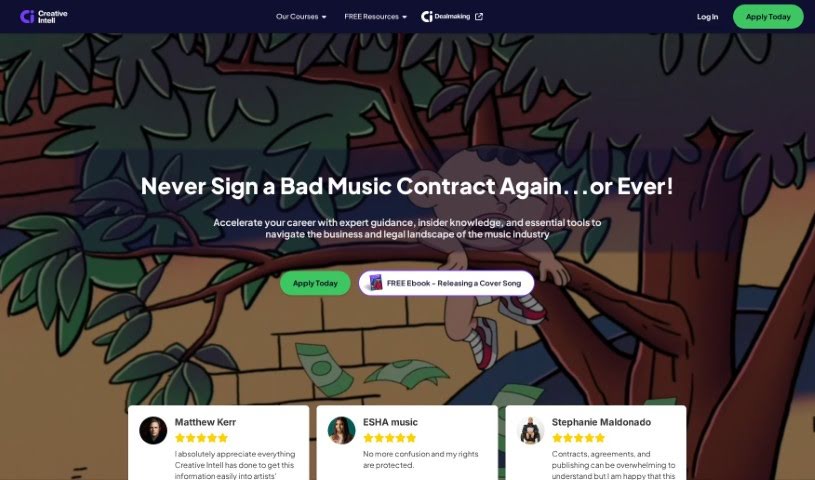
- Creative Intell: Great for legal research and help with case analysis.
- Law School Ai: Offers personalized study plans for law exams.
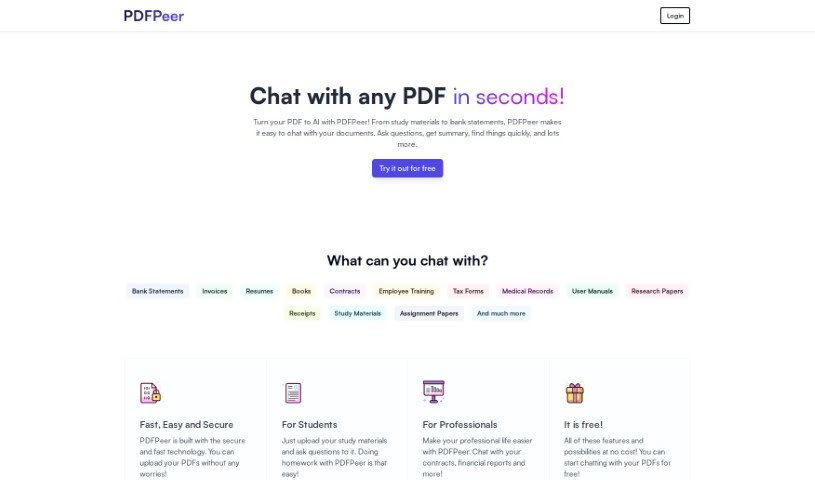
- PDFPeer: Helps you summarize legal texts for case studies.
- Ask Rbg: Good for practicing judicial reasoning.
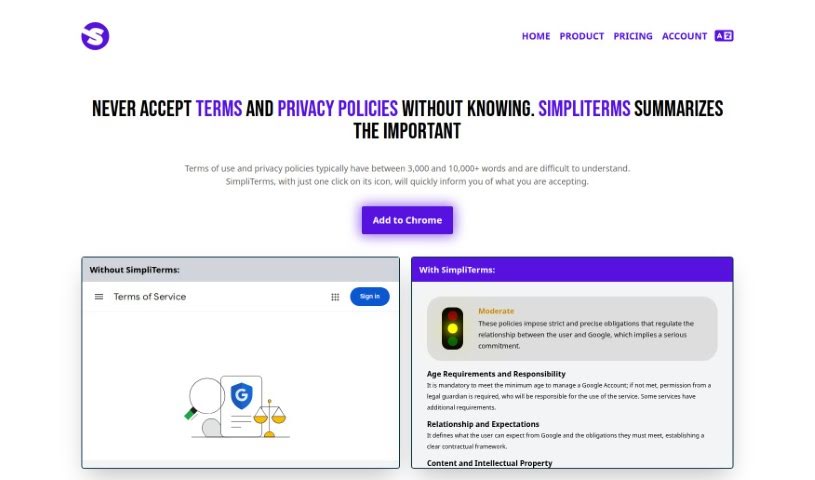
- Simpliterms: A tool for analyzing privacy policies.
AI tools for law students have become really important for legal education and practice. Basically, these tools use the same kind of large language models (LLMs) that power many AI applications, like writing assistants. They’re built to look at legal documents, summarize cases, and help with research by guessing what information might be relevant based on what you ask.
It’s a lot like how AI writing software works. These legal tools use smart algorithms to go through tons of legal texts, statutes, and case law. By learning from this huge amount of data, they can give you answers that make sense in context and offer helpful insights, which really helps students understand complex legal ideas.
A big plus for these platforms is their ability to understand and summarize long, complicated legal stuff. This makes studying way more efficient. You can get the main points without having to read through pages and pages of documents. The tech also helps with writing legal briefs, motions, and contracts by suggesting wording and structures that fit with the usual standards.
Just like with general AI writing tools, many AI law student platforms act as interfaces that use established LLMs. They often partner with big AI companies. This means students and lawyers can tap into powerful computing resources without needing to be tech wizards or know how to code.
Plus, many modern legal tech apps connect with existing legal research databases and educational platforms. This doesn’t just make them more useful; it also makes sure you have access to the most current legal information. So, you can easily keep up with changing laws and legal precedents.
As AI law tools keep getting better, they’re set to change how legal educators and students engage with the law. The potential here is huge, making learning and practicing in this traditionally tough field much smoother. Ultimately, they’re a big step forward in legal education, making law school more approachable and manageable for future lawyers.
| Rank | Name | Best For | Plans and Pricing | Rating |
|---|
| 1 | Creative Intell | Legal research and case analysis support. | N/A | 4.64 (11 reviews) |
| 2 | Law School Ai | Personalized study plans for law exams. | N/A | 4.71 (24 reviews) |
| 3 | PDFPeer | Summarize legal texts for case studies. | Paid plans start at $0.00/month. | 3.67 (6 reviews) |
| 4 | Ask Rbg | Judicial reasoning practice for students. | N/A | 5.00 (8 reviews) |
| 5 | Simpliterms | Privacy policy analysis tool for students. | Paid plans start at Free/. | 4.91 (45 reviews) |