The path through medical school is tough, with tons of information to learn and skills to master. As students dive into anatomy, pharmacology, and clinical practices, the pressure can feel immense. What if there were tools to ease that burden and boost your learning?
That’s where AI comes in. In recent years, artificial intelligence has become a real game-changer in education, and medicine is no different. From virtual tutors to interactive simulations, there are innovative apps designed to help medical students succeed.
I’ve spent time researching and trying out various AI tools made for aspiring doctors. These resources offer everything from help with study materials to practicing real-world scenarios. Whether you’re tackling tough concepts or sharpening your clinical skills, there’s something here for everyone.
If you’re keen to see how AI can simplify your study routine and improve your learning, you’ve come to the right place. Let’s look at the best tools that can support you on your medical journey.
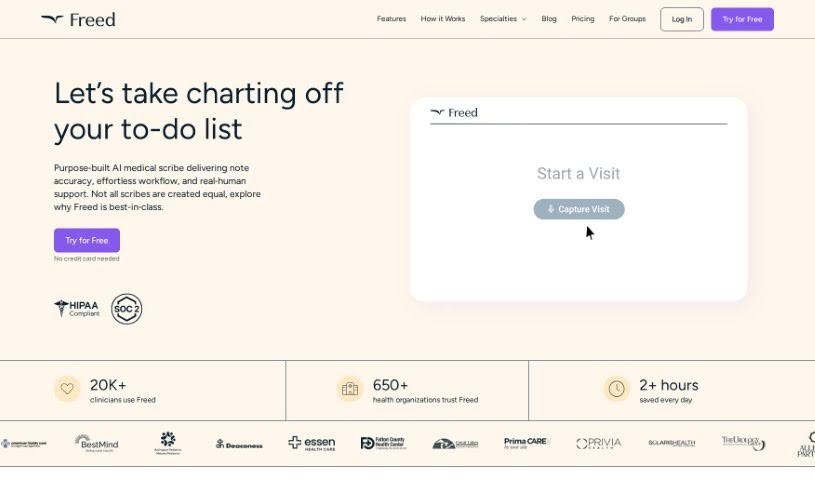
- Freed Ai: Helps with taking patient notes more smoothly.
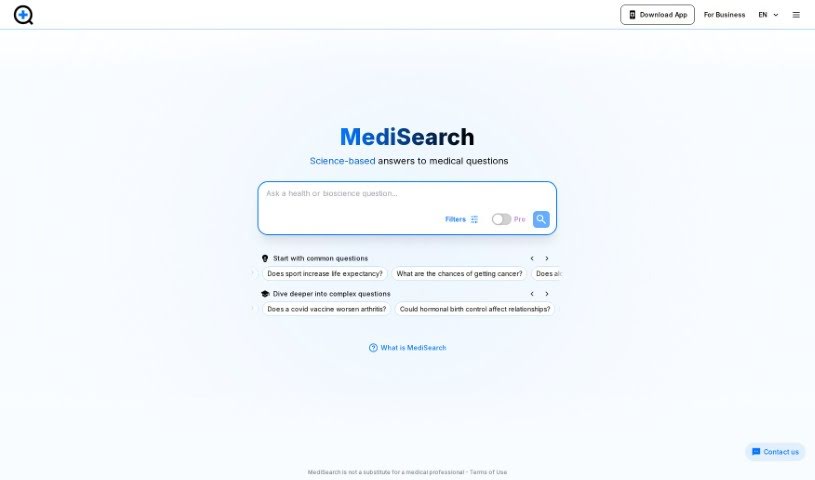
- MediSearch: A resource for medical research and studying.
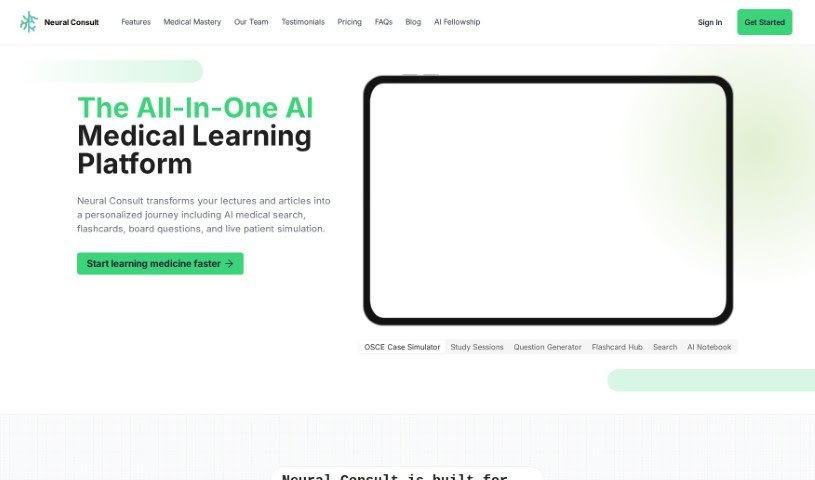
- Neural Consult: An assistant for anatomy quiz preparation.
- PDF2Anki: Converts lecture slides into Anki flashcards.
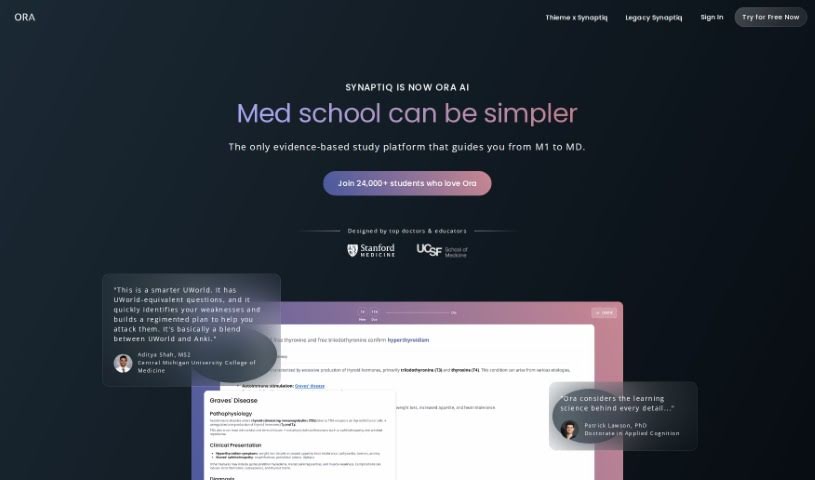
- Synaptiq Learning: Creates custom flashcards for medical exams.
- Aihealthquery: A streamlined study aid for medical students.
AI tools for medical students use advanced algorithms and large datasets to help with medical education and training. These tools often use machine learning and natural language processing. They analyze medical literature, case studies, and patient data. This allows them to offer personalized learning experiences based on how a student is progressing and what they still need to learn.
Basically, these tools work much like AI writing assistants. They use a huge amount of information—think textbooks, clinical guidelines, and research papers—to create relevant content and answer user questions. In doing so, they mimic the learning process that medical students go through.
One cool thing about AI medical tools is their ability to give instant feedback. They can check a user’s answers, offering corrections and tips that make learning better. This feedback loop not only helps students see their strengths and weaknesses but also helps them remember information.
Plus, many of these tools use group learning methods. They often include forums or social features, letting students discuss cases, share ideas, or even compete in tests. This collaborative side builds a sense of community and teamwork, which are crucial skills in medicine.
The way AI tools are used in medical training is always changing. As algorithms get better and datasets grow, these tools are starting to act more like human instructors. They can simulate complex clinical situations and ethical challenges. This lets students practice making decisions in a safe space, getting them ready for real-world problems.
To understand more, you might want to check out platforms that focus on case-based learning or simulations. They’re a great way to get started with how AI can improve medical education. Ultimately, using AI tools in medical training shows a lot of promise for creating well-prepared healthcare professionals.
| Rank | Name | Best For | Plans and Pricing | Rating |
|---|
| 1 | Freed Ai | Streamlined patient note-taking. | Paid plans start at $99/month. | 4.82 (11 reviews) |
| 2 | MediSearch | Medical research and study resource | N/A | 4.78 (23 reviews) |
| 3 | Neural Consult | Anatomy quiz preparation assistant | N/A | 4.72 (25 reviews) |
| 4 | PDF2Anki | Convert lecture slides to Anki flashcards | N/A | 4.75 (12 reviews) |
| 5 | Synaptiq Learning | Tailored flashcards for medical exams | N/A | 4.67 (24 reviews) |
| 6 | Aihealthquery | Streamlined study aid for medical students | N/A | 4.67 (6 reviews) |