Writing a thesis is a huge undertaking, and it’s easy to feel overwhelmed. You’re spending countless hours on research, writing, and making revisions, and sometimes it feels like you’re drowning in information. But thankfully, AI tools designed specifically for thesis writing are here to help ease that burden, making the whole process feel more manageable and efficient.
These smart tools can lend a hand with all sorts of thesis writing tasks, from coming up with ideas and structuring your chapters to even polishing up your final draft. Unlike general writing apps, these specialized tools are built to handle the tough demands of academic writing. This means they help ensure your work is not only clear but also genuinely persuasive.
As I looked into the best AI tools for thesis writing, I went through tons of options to find the ones that really shine. Whether you need help organizing your research or want to craft stronger arguments, there’s something here to help you tackle your thesis with more confidence.
With technology constantly changing, it’s obvious the academic world is evolving too. Starting your thesis journey with the right AI tools could be the key to a more productive and rewarding writing experience. So, let’s get into the best tools available for students like you.
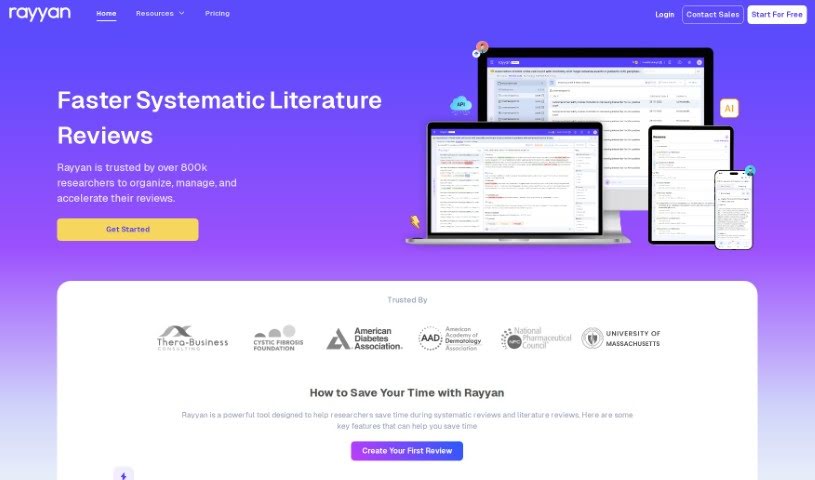
- Rayyan: Great for making systematic reviews for your thesis much simpler.
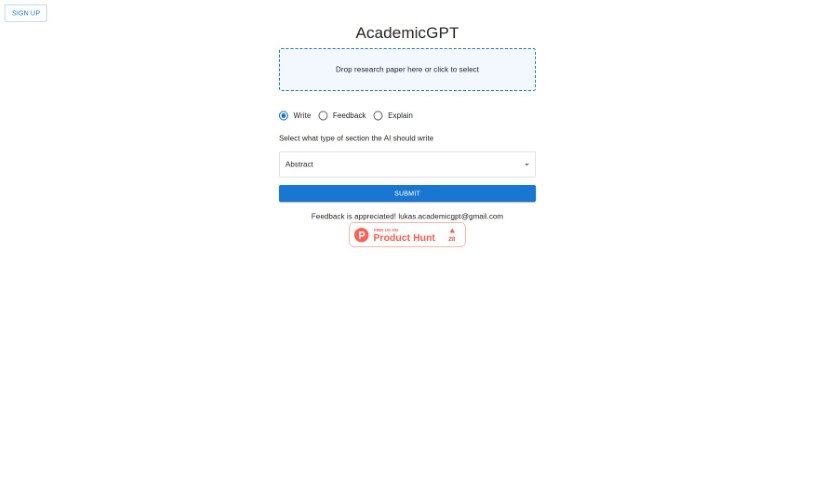
- Academic GPT: Perfect for creating thesis abstracts.
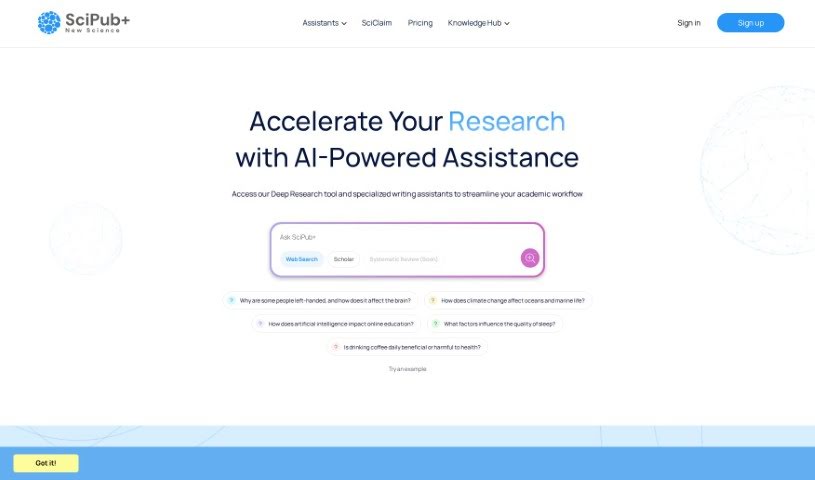
- SciPub+: Helps automate thesis drafts for smoother writing.
AI thesis writing tools work much like other AI writing software. They use large language models (LLMs) to create content that makes sense and fits the topic. These tools help students and researchers write theses by looking at your prompts, topics, and existing research to produce relevant sections or even whole chapters.
Basically, these tools take what you give them – like a thesis statement or a research question – and then predict what text should come next. They do this based on tons of training data. This data includes all sorts of academic stuff, like journal articles, dissertations, and books. That’s how the tool can generate scholarly language and build structured arguments.
Most thesis writing tools use LLMs from big names like OpenAI or Google. They then add extra features to make them more useful. Some might offer special templates, help with citations, or even summarize tricky academic ideas. This makes them a good fit for academic users and their specific needs.
What makes these tools effective are their advanced algorithms, which are designed to think a bit like humans. By spotting trends in academic writing, they can suggest good research methods, help form hypotheses, or even point you toward relevant reading. This gives users a really helpful head start on their research.
As students use these tools, they get immediate feedback and suggestions. This allows for a more back-and-forth writing process. By tweaking what you input and working with the generated content, users can end up with a thesis that meets academic standards but still sounds like them and shows their understanding of the subject.
If you’re curious about what AI can do for academic writing, there are now plenty of platforms offering advice and resources on how to use these tools effectively. They help connect creativity with structure, changing the way academic work is approached in today’s digital world.
| Rank | Name | Best For | Plans and Pricing | Rating |
|---|
| 1 | Rayyan | Streamlining systematic reviews for thesis. | Paid plans start at $4.99/month. | 4.70 (10 reviews) |
| 2 | AcademicGPT | Creating thesis abstracts | N/A | 4.50 (12 reviews) |
| 3 | SciPub+ | Automating thesis drafts for seamless writing. | N/A | 3.60 (5 reviews) |