Writing is a deeply personal journey, but it can sometimes feel isolating and overwhelming. As authors, we spend countless hours crafting our stories, only to hit creative blocks or get sidetracked by distractions. Wouldn’t it be amazing if there were AI tools made just to ease that burden and boost our writing?
The technology available for authors has changed a lot recently. Today, various AI tools can help with everything from brainstorming ideas and organizing plots to polishing prose and checking grammar. These aren’t just novelties; they offer real improvements that can make the writing process easier and spark new inspiration.
Over the past few months, I’ve explored and tested a bunch of AI tools specifically for authors. Each one offers something different, whether it’s helping you create well-rounded characters or suggesting ways to make your dialogue more engaging.
If you’re ready to improve your writing skills and find new ways to bring your storytelling to life, you’ve come to the right place. Here’s a list of the best AI tools for authors that can help you navigate your creative journey more smoothly.
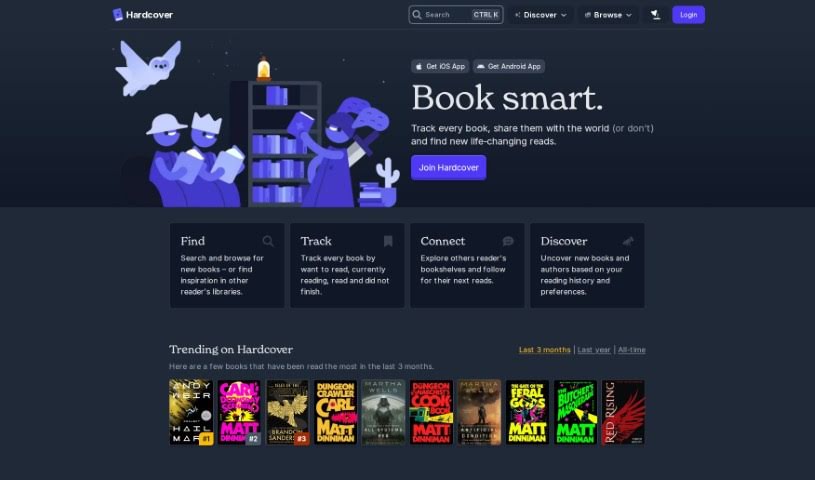
- Hardcover for making the manuscript submission process easier
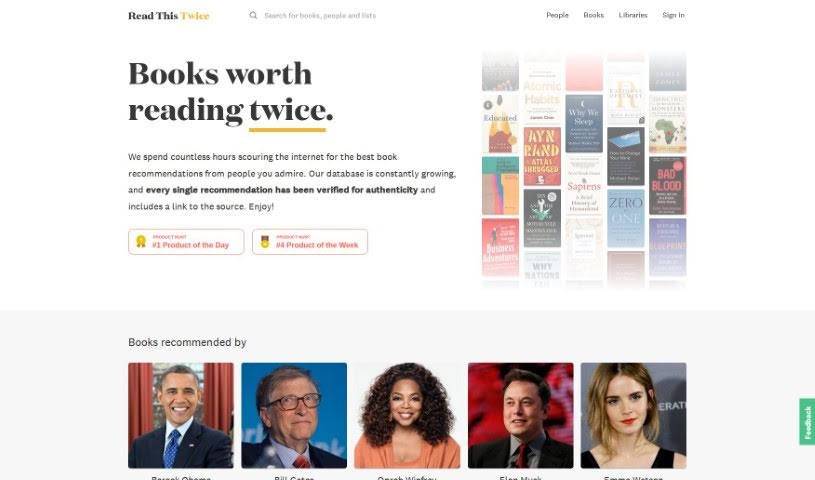
- Read This Twice for insights on how to connect better with readers
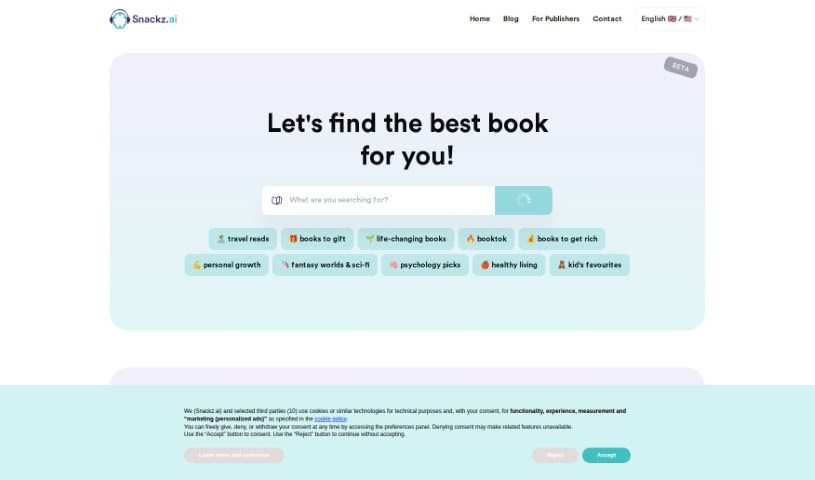
- Snackz Ai for boosting the visibility of new books
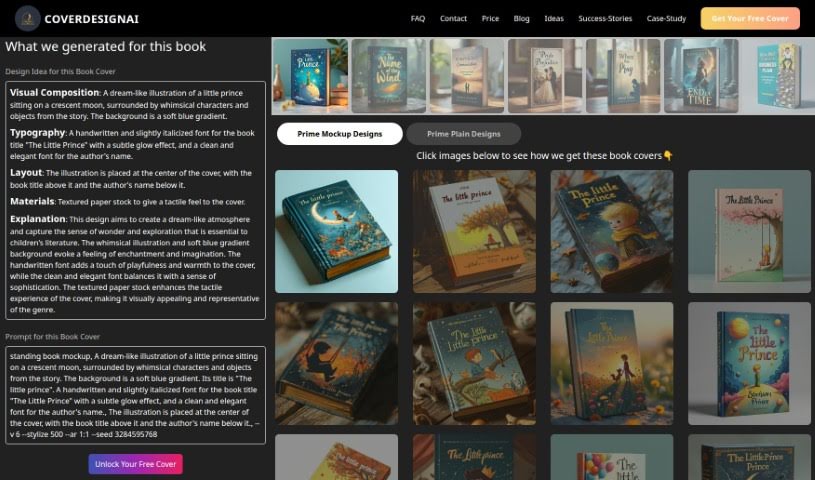
- Cover Design AI for custom book cover design
- What To Read After for curated reading lists to inspire authors
- Nextthreebooks.com for improving reader engagement strategies.
AI authoring tools use advanced algorithms to analyze and generate text based on what users ask them to do. At their core, these tools use large language models (LLMs) that have been trained on lots of different data. This training lets them understand context, style, and the subtleties of language. They learn from a huge amount of books, articles, and online content, which shapes how they understand human writing.
When you give a tool a prompt, it uses its predictive abilities to create text that flows naturally from your initial request. By using the patterns it learned during training, it can produce anything from technical articles to creative stories, all tailored to what you need. The main goal is to help writers overcome creative blocks or be more productive.
Many of these AI tools work smoothly with the writing platforms you already use. This means popular apps like Word or Google Docs can add AI features without needing to build their own models. They often connect to APIs from established AI companies, offering better features without starting from scratch.
Plus, the accuracy and usefulness of the text these tools generate get better as the technology improves. Developers are constantly refining LLMs to better grasp context and intent, leading to higher-quality results. This adaptability makes AI authoring tools useful for all sorts of writing tasks, from blogging to drafting emails.
For anyone wanting to use these capabilities, user-friendly interfaces and integrations make them accessible, even if you’re not a tech expert. With platforms that allow for easy setup and customization, anyone can effectively use AI to help with their writing. Overall, these tools have the potential to significantly change the writing world, allowing for more efficient and creative workflows.
| Rank | Name | Best for | Plans and Pricing | Rating |
|---|
| 1 | Hardcover | Making the manuscript submission process easier | N/A | 4.23 (13 reviews) |
| 2 | Read This Twice | Insights for tailoring reader engagement | N/A | 4.08 (12 reviews) |
| 3 | Snackz Ai | Enhancing visibility for new books | N/A | 3.75 (8 reviews) |
| 4 | CoverDesign AI | Custom book cover design solutions | Paid plans start at $11.99/month. | 4.20 (5 reviews) |
| 5 | What To Read After | Curated reading lists for author inspiration | N/A | 4.17 (6 reviews) |
| 6 | Nextthreebooks.com | Enhancing reader engagement strategies. | N/A | 4.77 (13 reviews) |