In science, AI tools are starting to feel like a real game-changer. We’re moving past just manual research and data analysis as new technology changes how scientists work. With solutions for everything from visualizing data to coming up with new ideas, these AI tools can make workflows smoother and lead to better discoveries.
As research gets more complicated, the need for smart, efficient tools keeps growing. Scientists want ways to sort through huge amounts of data, spot patterns, and even predict what might happen. Luckily, AI is stepping up, offering abilities that can really speed up the research process.
After spending a good amount of time looking into the latest developments, I’ve put together a list of the best AI tools for scientists. These cover a range of needs—from automating boring tasks to offering insights you might miss without computer help. Each tool is meant to empower researchers, making it easier to focus on the science itself instead of getting stuck in the details.
So, whether you’re a seasoned researcher or just starting out, there’s an AI tool that can help with your scientific questions. Let’s look at the options that really stand out in this fast-moving field.
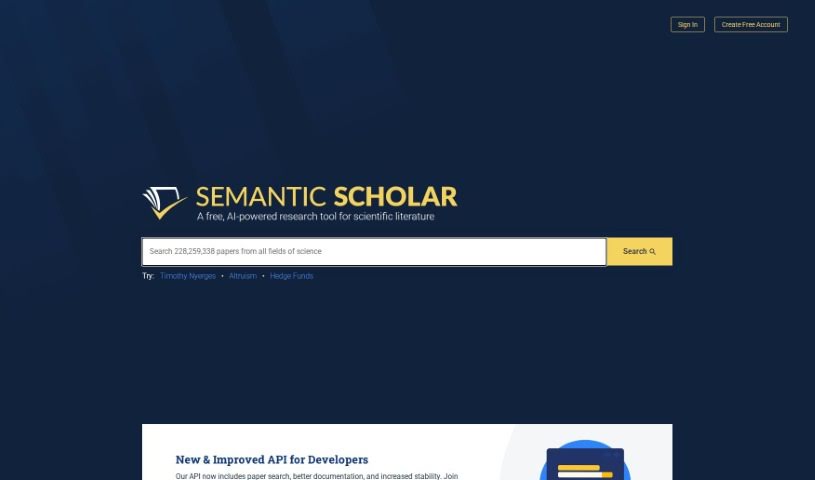
- Semantic Scholar: Helps you find scientific papers more easily.
- Pi: Useful for calculating wavelengths in lab experiments.
- Question AI: Assists with scientific questions and analyzing data.
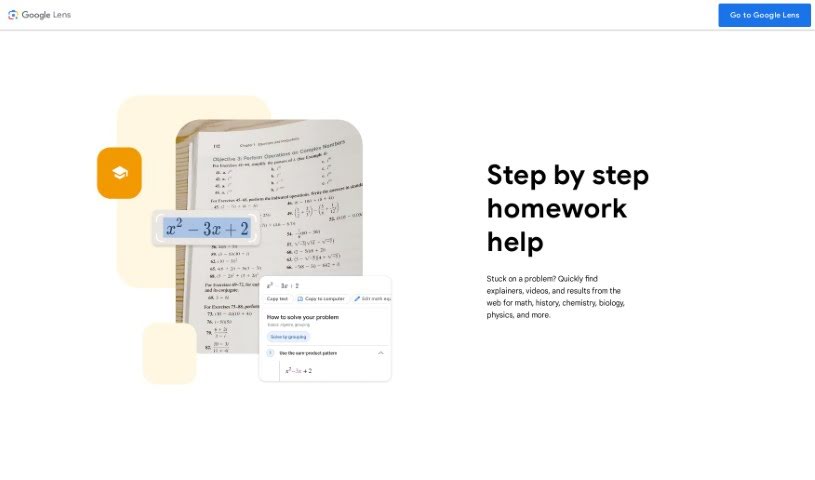
- Socratic by Google: Makes understanding scientific concepts simple.
- Cradle Bio: For analyzing and visualizing genomic data.
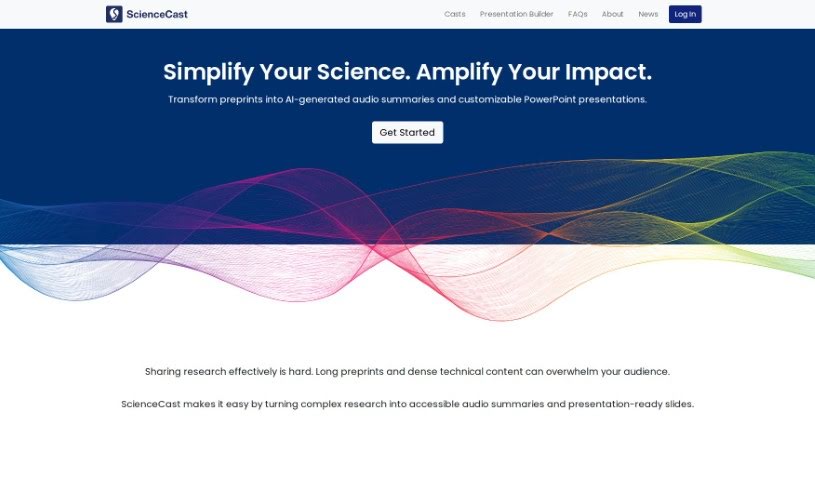
- Science Cast: Shows off innovative research instruments.
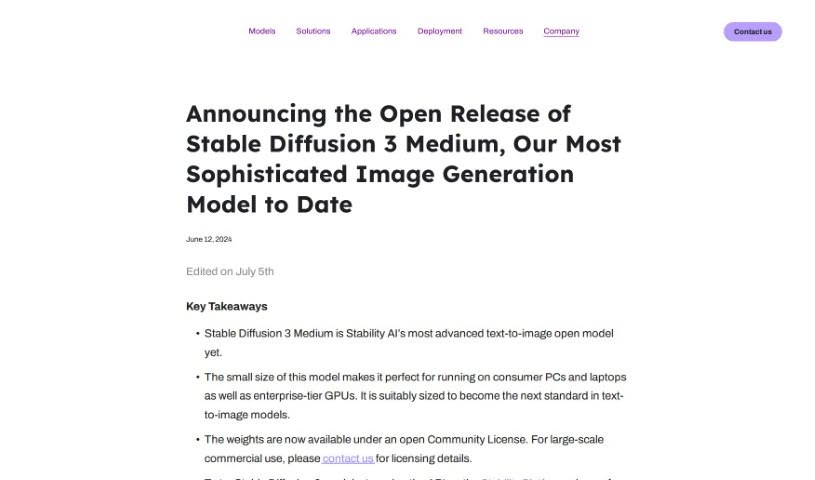
- Stability AI Stable Diffusion 3 Medium: Helps visualize complex scientific ideas.
- Genesis Therapeutics: Offers 3D modeling tools for exploring proteins.
- Animalia AI: Lets you explore animal behaviors and their habitats.
- System Pro: Speeds up research data analysis.
- Code Kidz: Provides interactive coding for science experiments.
- Nekton: Makes collecting data for lab experiments much simpler.
- Satlas: Analyzes how environmental conditions change over time.
- Papers Gpt: Gives you specific insights for scientific discoveries.
- Cebra: Helps decode neural activity during behavior trials.
AI science tools use smart algorithms and large databases to help with research, analysis, and understanding data. These tools often use machine learning models trained on tons of information, like scientific papers and experimental data from different fields.
At their core, these models can process and analyze huge amounts of information. They find patterns, make predictions, and even suggest ideas based on the knowledge they’ve accessed. This can really speed up research.
For example, natural language processing helps AI science tools summarize complex articles, pull out key findings, or even help with literature reviews. By turning dense academic text into manageable insights, researchers can focus on their scientific questions without feeling overwhelmed.
Some AI platforms also help with scientific modeling and simulations. They can analyze experimental results and adjust settings to predict outcomes, letting scientists design experiments more precisely. This not only improves accuracy but also saves valuable time and resources.
Plus, collaboration is another plus for AI science tools. Researchers can share insights more effectively, as these platforms often have features that let teams work together smoothly, no matter where they are.
Basically, AI science tools boost what humans can do in research and experiments. They help scientists get insights from massive datasets, make their work smoother, and explore new ideas efficiently and creatively. As these tools get better, their potential to change scientific discovery becomes clearer.
| Rank | Name | Best for | Plans and Pricing | Rating |
|---|
| 1 | Semantic Scholar | enhancing scientific literature discovery | N/A | 4.75 (12 reviews) |
| 2 | Pi | calculating wavelengths in lab experiments | N/A | 4.73 (11 reviews) |
| 3 | Question AI | scientific query assistance and data analysis. | N/A | 4.67 (12 reviews) |
| 4 | Socratic by Google | understanding scientific concepts easily. | N/A | 4.73 (11 reviews) |
| 5 | Cradle Bio | genomic data analysis and visualization. | N/A | 3.60 (5 reviews) |
| 6 | Science Cast | showcase innovative research instruments. | Paid plans start at $$250/month. | 3.50 (6 reviews) |
| 7 | Stability AI Stable Diffusion 3 Medium | visualize complex scientific concepts. | N/A | 4.47 (19 reviews) |
| 8 | Genesis Therapeutics | 3d modeling tools for protein exploration | N/A | 4.77 (26 reviews) |
| 9 | Animalia AI | explore animal behaviors and habitats | N/A | 3.83 (6 reviews) |
| 10 | System Pro | accelerated research data analysis | N/A | 4.73 (11 reviews) |
| 11 | CodeKidz | interactive coding for science experiments. | N/A | 3.91 (11 reviews) |
| 12 | Nekton | streamline lab experiment data collection | Paid plans start at $9/month. | 4.80 (44 reviews) |
| 13 | Satlas | analyzing environmental changes over time | N/A | 4.10 (10 reviews) |
| 14 | Papers Gpt | tailored insights for scientific discoveries | N/A | 4.82 (11 reviews) |
| 15 | Cebra | decoding neural activity during behavior trials | N/A | 4.69 (13 reviews) |