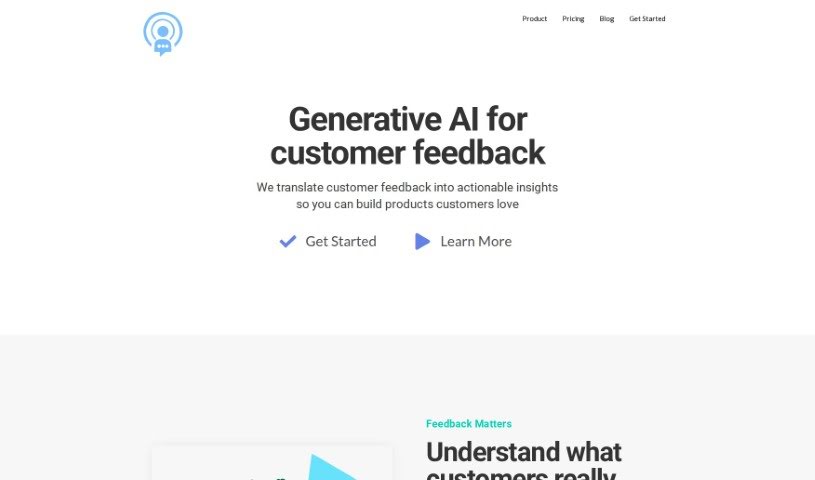
What is Rargus?
Rargus is a smart tool that uses generative AI to help businesses really dig into customer feedback from all sorts of places. It pulls in comments from app reviews, support tickets, and social media, giving you clear insights into what customers like and where your product could be better. If you’re in product management, consumer insights, or product marketing, Rargus can be a huge help. It makes it easier to get everyone on the same page by linking customer thoughts with hard numbers, helps you keep track of your UX improvements, supports customer retention by pinpointing what’s frustrating people, and provides detailed reports so you can truly understand what your customers are saying.
Who created Rargus?
Rargus was built with a clear goal: to turn customer feedback into practical, actionable insights. The company got started on July 30, 2024. It was founded by people who saw the potential of generative AI to efficiently sort and understand customer feedback. Rargus focuses on helping businesses gather and analyze feedback from many different platforms, giving them valuable insights into what customers prefer and where products can be improved.
What is Rargus used for?
- It brings all your feedback together in one place.
- You get clear insights into what customers prefer.
- It helps you improve your UX design.
- It supports your efforts to keep customers.
- You can track how your UX initiatives are performing.
- It helps get stakeholders on the same page.
- It aids in building better product roadmaps.
- It helps you understand your competitors better.
- It can boost brand loyalty.
- You can dive much deeper into your data.
- It transforms customer feedback into actionable insights.
- It centralizes feedback from many channels, helping you make data-driven decisions and develop products with customers in mind.
- It informs product development focused on consumers by analyzing feedback from various sources.
- It helps align stakeholders by combining customer feedback with quantitative data.
- It allows you to analyze competitor customer feedback for more targeted marketing.
- It supports tracking UX initiatives by providing insights into what users need, prefer, and find frustrating.
- It assists with customer retention by identifying pain points and addressing them to boost satisfaction and brand loyalty.
- It offers detailed reports with full customer reviews for a deep understanding and better decision-making.
- It generates reports with rich context, offering a detailed alternative to simple word clouds for data analysis.
- It influences data-driven business decisions through comprehensive reports that capture customer feedback and insights.
- It simplifies the feedback analysis process, using generative AI to provide actionable insights.
- It helps align stakeholders by combining customer feedback with quantitative data.
- It informs consumer-centric product development through feedback analysis.
- It helps you understand and address customer pain points to improve satisfaction and brand loyalty.
- It assists with targeted marketing by offering insights into customer needs and preferences.
- It encourages teams to work together for better product development.
- It enables competitive intelligence by analyzing competitor products.
- It helps track the impact of UX initiatives on customer satisfaction and product adoption.
- It supports customer retention strategies with in-depth feedback analysis.
- It provides comprehensive reports with full customer reviews to guide decision-making.
- It centralizes feedback from multiple channels.
- It aids in making data-driven decisions.
- It supports customer-centric product development.
- It helps you understand customer preferences and needs.
- It promotes teamwork among different departments.
- It improves UX design.
- It supports efforts to retain customers.
- It analyzes feedback from competitor products.
- It helps with targeted marketing.
Who is Rargus for?
- Product Management teams
- Consumer Insights professionals
- Product Marketing specialists
How to use Rargus?
Here’s how you can get the most out of Rargus:
- Sign Up: First, create an account on Rargus. This gives you access to all the tools you need to turn customer feedback into actionable insights.
- Gather Feedback: Start collecting feedback from all your channels – think app reviews, customer support tickets, and social media. Rargus makes this easy.
- Analyze It: Now, let Rargus’s generative AI do the heavy lifting. It will process and analyze the feedback, giving you valuable insights into what customers want and what product improvements are needed.
- Centralize Everything: Rargus brings feedback from all your different sources into one place. This makes data-driven decisions and customer-focused product development much simpler.
- Align Your Stakeholders: Combine what customers are saying with your quantitative data. This helps you create compelling stories that really show what your customers want and need, getting everyone on the same page.
- Analyze Competitors: Take a look at feedback from your competitors’ customers. Rargus can help you do this, so you can create more targeted marketing and relevant messaging.
- Build User-Centric Products: Understand what users need, prefer, and find frustrating by looking at aggregated feedback. Rargus helps you use this information to design user-friendly experiences.
- Encourage Teamwork: Share your feedback insights with your team. This fosters collaboration between UX designers, product managers, and developers, helping everyone work together to create cohesive products.
- Keep Customers Happy: Identify and address customer pain points by analyzing their feedback. This is key to improving satisfaction, reducing churn, and building strong brand loyalty.
- Get Detailed Reports: Dive deep into your data with Rargus’s comprehensive reports. They give you a full picture of customer feedback, helping you make informed decisions.
By following these steps, businesses can effectively use Rargus to improve their products, make smarter data-driven decisions, and ensure their stakeholders are all aligned.