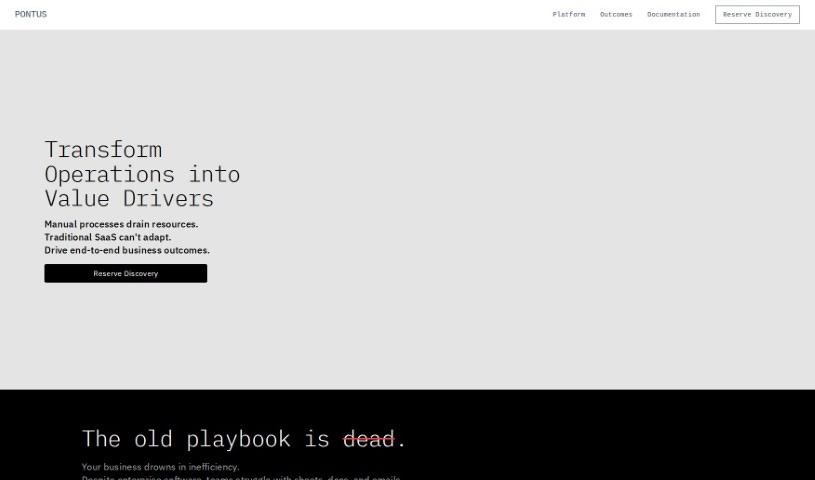
What is Pontus?
Pontus is an open-source tool that acts as an AI orchestration layer. Its main goal is to make AI systems more trustworthy by really focusing on data privacy. How does it do this? Well, it masks sensitive data before sending it off to third-party services. Then, it demasks that data right on your own servers. This means businesses can build AI applications faster and with more confidence because privacy is built right into the AI workflow.
One really neat feature is its intelligent prompt sanitization. It uses a similarity search algorithm to spot private and sensitive information in your data. Then, it swaps that sensitive info out for tokenized versions. This keeps customer trust and privacy intact without hurting how well the AI works. Pontus also uses secure retrieval augmented generation techniques. This ensures that only sanitized and redacted documents get shared with services like OpenAI. So, you get to protect sensitive information while still making full use of AI models, especially those using RAG.
The platform is designed for enterprise clients who have strict data protection rules. It helps them adopt AI tools by tackling worries about data security, making sure everything is safe and trustworthy. Pontus offers two plans: there’s an open-source option that’s great for hobby projects, small startups, and non-commercial use. Then, there’s a business plan for companies that need extra support and features, especially for deploying on their own servers. Plus, Pontus offers community support and you can book a demo to see its capabilities firsthand and learn how it can really boost the trust and safety of your AI systems.
Who created Pontus?
Pontus, this open-source AI orchestration layer designed to boost AI system trustworthiness through data privacy, was actually created by a team who wanted to help businesses build AI applications more confidently and quickly. They launched it on September 1, 2023, with a clear privacy-first philosophy, aiming to meet the strict data protection needs of enterprise clients. Pontus comes with two plans: an open-source version perfect for hobby projects and small startups, and a business plan specifically for companies that need more support and features for on-premise deployment.
What is Pontus used for?
Pontus is super handy for a bunch of things:
- Building AI apps faster: You can embed privacy measures right into the workflow.
- Keeping data private: It intelligently sanitizes prompts, masking sensitive data before it goes to third-party services.
- Secure document sharing: It uses secure retrieval augmented generation to share only sanitized and redacted documents with services like OpenAI.
- Meeting enterprise needs: It’s built for enterprise clients who have really strict data protection requirements.
- Unlocking AI value: It helps large enterprises use AI effectively while keeping trust and safety top-notch.
- Flexible plans: You can choose between an open-source plan for hobby projects, small startups, and non-commercial ventures, or a business plan for companies needing more support and features.
- Getting help: Pontus offers community support and you can book a demo to explore its capabilities and learn how to improve AI system trust and safety.
- Smart anonymization: It automatically detects and anonymizes protected information, following rules like GDPR and CPRA.
- Access control: It includes role-based access controls to manage data access when interacting with LLM providers.
- LLM compatibility: It works with common LLMs, including those you host internally.
- Boosting AI trustworthiness: Fundamentally, it enhances the trustworthiness of AI systems by ensuring data privacy.
- Data masking and demasking: It masks sensitive data sent to third-party services and then demasks it on your own servers.
- Confident AI building: It embeds privacy measures into the AI workflow, letting you build AI applications more quickly and confidently.
- Intelligent prompt sanitization: This feature uses a similarity search algorithm to identify and protect private information.
- Tokenizing sensitive data: It replaces private and sensitive information with tokenized representations before sending it to third-party services.
- Secure RAG: It implements secure retrieval augmented generation techniques for data protection.
- Enterprise data protection: It addresses the needs of enterprise clients with stringent data protection requirements.
- Overcoming AI adoption barriers: It helps businesses overcome hurdles when adopting AI tools due to data security concerns.
- Value for large enterprises: It unlocks the value of AI for large enterprises while maintaining trust and safety standards for clients.
- Plan options: It offers an open-source plan for hobby projects, small startups, and non-commercial ventures, plus a business plan for companies needing extra support and features.
- Privacy protection: It masks sensitive data sent to third-party services for privacy protection.
- User server security: It demasks data on your servers for security and control.
- Faster, confident AI: It helps build AI applications more quickly and confidently with embedded privacy measures.
- Privacy assurance: It implements intelligent prompt sanitization functionality for privacy assurance.
- Protecting private info: It employs a similarity search algorithm to identify and protect private information.
- Tokenized data replacement: It replaces sensitive data with tokenized representations before sending to third-party services.
- Data protection techniques: It implements secure retrieval augmented generation techniques for data protection.
- Enterprise AI value: It unlocks the value of AI for large enterprises while maintaining trust and safety standards.
Who is Pontus for?
Pontus is a great fit for:
- Businesses of all sizes
- Enterprise clients with strict data protection needs
- AI developers
- Data scientists
- Data Analysts
- Large Enterprises
- Small startups
- Non-commercial ventures
How to use Pontus?
Getting started with Pontus is pretty straightforward. Just follow these steps:
- Sign Up: First, register for Pontus to get access to all its features and functionalities.
- Understand the Platform: Take some time to learn how Pontus works to enhance AI systems’ trustworthiness through its data privacy measures.
- Use Privacy Measures: Make sure to utilize Pontus’s masking and demasking capabilities. This is key for protecting sensitive data when you send it to third-party services.
- Leverage Intelligent Prompt Sanitization: Take advantage of Pontus’s feature that replaces private information with tokenized representations, using a similarity search algorithm.
- Implement Secure Retrieval Augmented Generation: Ensure that only sanitized documents are shared with third-party services like OpenAI. This is crucial for maintaining data security.
- Choose Your Plan: Decide between the open-source plan, which is great for smaller ventures, or the business plan if your company needs more support and features for on-premise deployment.
- Tap into Community Support: Don’t forget to use Pontus’s community support and the option to book a demo. This will help you explore its capabilities further and really improve the trust and safety of your AI systems.
By following these steps, you can effectively integrate Pontus into your workflow. It’ll help you boost data privacy and build more trust in your AI systems.