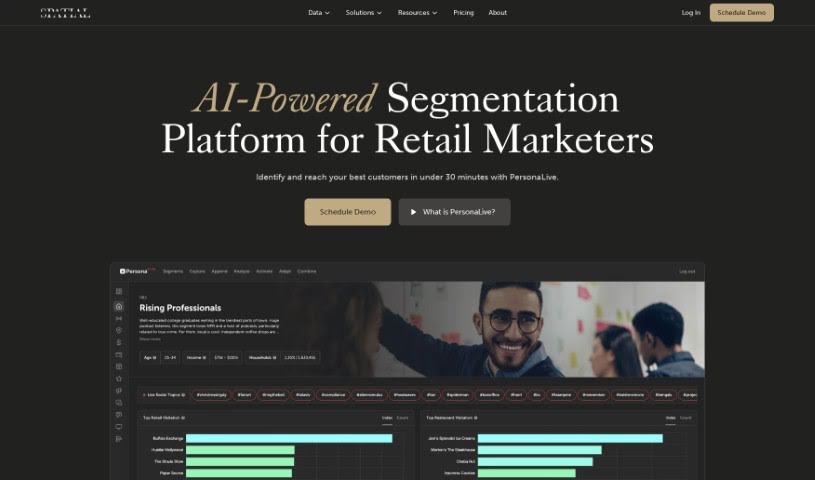
Screenshot of Spatial.ai

Spatial.ai

Discover what Spatial.ai is and how to use it effectively in 2025. We'll explore its features and compare it to other digital marketing tools.

Screenshot

What is Spatial.ai?

Spatial.ai offers modern customer segmentation systems designed to help businesses boost their campaign performance and make smarter location decisions. It is a powerful tool that uses advanced AI to help you really get to know your best customers and reach them more effectively. It works by using sophisticated algorithms and machine learning to dig through huge amounts of data. This helps them pinpoint distinct customer groups based on things like who they are (demographics), what they like (interests), and how they act (behaviors).

This deep understanding is a game-changer. It lets businesses create marketing campaigns that truly resonate, target specific customer groups with personalized messages, and ultimately see better conversion rates and a stronger return on investment. Plus, it’s not just about marketing; Spatial.ai also helps with making smart choices about where to set up shop. By looking at customer preferences and location data, it can help you find the best spots for stores or plan advertising campaigns in just the right geographic areas. And importantly, Spatial.ai takes data privacy and security very seriously. They follow strict data protection rules, anonymize customer data, store it securely, and make it easy to connect with your existing CRM and marketing tools.

Who created Spatial.ai?

Spatial.ai was actually started by Lyden Foust and Will Kiessling. Lyden Foust is the CEO and Co-founder, and Will Kiessling is the CTO and Co-founder. They’ve built Spatial.ai using advanced AI technology to create these modern customer segmentation systems. The goal? To help businesses improve how well their campaigns perform and make better decisions about locations. They cleverly use anonymized location data and machine learning to provide really powerful insights into consumers, all without needing cookies or tracking individuals. It’s a smart way to get to know your audience.

What is Spatial.ai used for?

Spatial.ai helps businesses in a ton of ways, especially when it comes to understanding and reaching their customers:

  • Keeping Data Safe: They make sure your data is private and secure.
  • Knowing Your Best Customers: You can figure out who your top customers are so you can market to them more effectively.
  • Boosting Campaign Performance: By sending tailored messages, you can make your marketing efforts work much better.
  • Smarter Store Locations: They help you pick the best places for your stores by looking at where your customers are and what they prefer.
  • Better Location Choices: Analyze customer preferences to make more informed decisions about where to focus your efforts.
  • Making Sense of Data: They analyze massive amounts of data to help you segment your customers.
  • Spotting Customer Groups: Identify different customer groups based on their demographics, interests, and how they behave.
  • Customizing Marketing: Create marketing campaigns that are specifically designed for particular customer segments.
  • Improving ROI: Get a better return on your investment by sending personalized messages and offers.
  • Reaching Customers Faster: Use advanced AI to connect with your best customers more quickly.
  • Data-Driven Marketing: Make smarter marketing decisions based on solid data analysis.
  • Tracking Competitors: See how your brand stacks up against competitors in terms of customer spending.
  • Finding Your Best Customers: Reveal who your top customer segments are through detailed analysis.
  • Creating Personalized Campaigns: Generate marketing campaigns that feel unique to each customer.
  • Digital Reach: Connect with your target segments across various digital channels.
  • Credit Card Insights: Analyze spending patterns from over 100 million credit card transactions.
  • Enriching CRM Data: Add customer segments to your existing customer data to make your CRM more robust.
  • Ranking Segments: Figure out which customer segments are your most valuable.
  • Demographic Contact Info: Get demographic details to enrich your customer contact information.
  • Automated Reporting: Get automatic reports on your campaign performance.
  • Improving Marketing: Make your marketing campaigns perform better overall.
  • Informed Location Decisions: Make smarter choices about where to focus your business geographically.
  • Tailoring Marketing: Customize your marketing messages for specific groups.
  • Targeted Messaging: Reach specific customer groups with messages that matter to them.
  • Optimizing Store Placement: Find the best locations for your stores.
  • Analyzing Data: Dive deep into large datasets to understand your customers.
  • Identifying Groups: Pinpoint distinct customer segments.
  • Understanding Motivations: Uncover what drives your target audience and what they prefer.
  • CRM Integration: Connect Spatial.ai smoothly with your CRM and marketing tools.
  • Segmentation for Marketing: Use customer segmentation to create tailored marketing efforts.
  • Targeted Messaging: Improve campaign performance by sending messages that are relevant.
  • Location Strategy: Enhance your location decisions based on what customers prefer.
  • Sales Forecasting: Predict sales revenue and guide your business decisions.
  • Consumer Behavior: Understand how consumers act to get a better ROI.
  • Store Location Optimization: Choose store locations based on where your customers are concentrated.
  • Data-Driven Strategy: Make marketing decisions based on data insights.
  • Increasing Conversions: Boost your conversion rates with personalized offers.
  • Customer Motivations: Get insights into why customers do what they do.
  • Driving Results: Achieve better outcomes through data-backed marketing.
  • Enhancing Location Strategy: Improve your decisions about business locations.
  • Personalized Offers: Target specific customer groups with messages and offers tailored just for them.
  • Targeted Ad Campaigns: Plan advertising campaigns in specific geographic areas.
  • Deep Segment Insights: Gain thorough insights into your customer segments.
  • Understanding Your Best Customers: Figure out who your best customers are and why.
  • Driving Better Outcomes: Achieve superior results through your marketing efforts.
  • Meta Ad Campaigns: Build effective ad campaigns for Meta platforms.
  • Modern Segmentation: Use a contemporary approach to customer segmentation.
  • Streamlining Segmentation: Make the process of segmenting customers easier.
  • Higher Click-Through Rates: Achieve better engagement with your ads.
  • Cookieless Future: Prepare your marketing for a future without cookies.
  • Cookie-Free Insights: Analyze consumer insights without relying on cookies.
  • Social Media Data: Understand consumer mindsets, interests, and attitudes from social media.
  • Predicting Sales: Forecast your sales revenue accurately.
  • Informing Decisions: Help make important business decisions.
  • Improving Performance: Enhance both campaign performance and location choices.

Who is Spatial.ai for?

Spatial.ai is a valuable tool for several key roles within businesses, particularly those focused on retail and marketing:

  • Retail Analysts: To understand market trends and consumer behavior.
  • Retail Marketers: To create more effective and targeted campaigns.
  • Retail Strategists: To develop better business and expansion plans.
  • Marketers: Generally, anyone involved in planning and executing marketing efforts.
  • Business Owners: To gain insights that drive growth and profitability.
  • Location Strategists: To make informed decisions about physical store placement and expansion.

How to use Spatial.ai?

Spatial.ai offers a comprehensive system for modern customer segmentation, which can really boost your campaign performance and help you make smarter location decisions. Here’s a straightforward way to get the most out of it:

  1. Dive into Customer Insights:

    • Start by using Spatial.ai’s advanced AI technology. It helps you get a really deep understanding of different customer segments. You’ll learn about their demographics, what they’re interested in, and how they tend to behave.
  2. Analyze Your Data:

    • Next, you’ll want to analyze all sorts of data. This can come from places like social media, transaction records, and location data. The goal here is to clearly identify distinct groups of customers.
  3. Create Tailored Marketing Campaigns:

    • Once you have those insights, use them to customize your marketing campaigns. This means sending personalized messages and offers to specific customer groups. Doing this usually leads to a better return on investment.
  4. Optimize Your Locations:

    • Spatial.ai also helps with physical locations. Use the location data and what you know about customer preferences to find areas where your target audience is most concentrated. This is super helpful for picking the best store locations or planning where to run targeted ad campaigns.
  5. Prioritize Data Privacy and Security:

    • Remember, Spatial.ai really cares about data privacy. They follow strict rules for data protection, make sure customer data is anonymized, and keep it securely stored.
  6. Integrate with Your Systems:

    • For a truly data-driven approach, you’ll want to connect Spatial.ai with your existing CRM and marketing automation systems. It’s designed to integrate smoothly.
  7. Schedule a Demo:

    • If you want to see it in action and understand exactly how it can help your business, it’s a great idea to schedule a free 30-minute demo with one of their product specialists.

By following these steps, businesses can really tap into the power of Spatial.ai’s innovative customer segmentation systems. You’ll gain a much deeper understanding of who your customers are, refine your marketing strategies, and ultimately drive better results in a way that’s guided by data.

Related AI Tools

Discover more tools in similar categories that might interest you

Stay Updated with AI Tools

Get weekly updates on the latest AI tools, trends, and insights delivered to your inbox

Join 25,000+ AI enthusiasts. No spam, unsubscribe anytime.