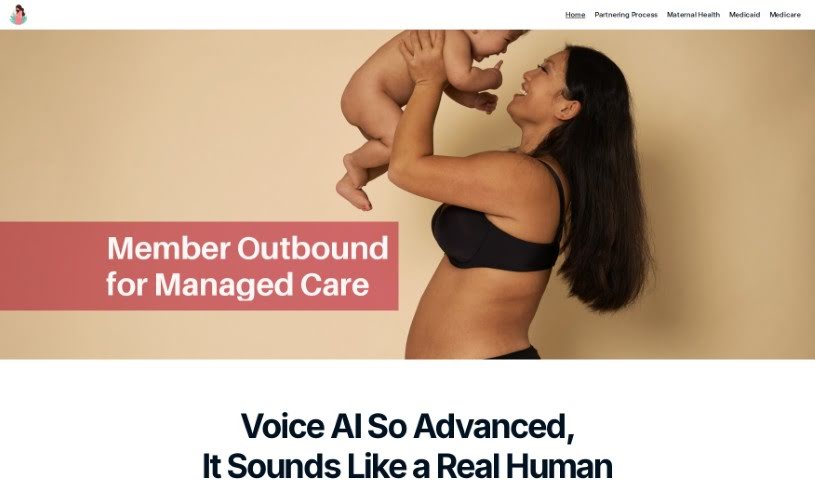
Screenshot of Elythea

Elythea

Discover what Elythea is and how to use it effectively in 2025. We'll explore its features and see how it stacks up against other doctor's tools.

Screenshot

What is Elythea?

Elythea is a smart tool that uses machine learning to help spot expecting mothers who might be at a higher risk for pregnancy complications. It specifically looks at issues like postpartum hemorrhage, preterm labor, preeclampsia, eclampsia, and cases where a vaginal birth after a previous C-section (VBAC) might not go as planned. This tool connects with Electronic Health Record (EHR) systems, looks at patient details and their medical past, and then offers recommendations based on solid evidence, with a prediction accuracy of up to 85%. Essentially, Elythea aims to make things easier for healthcare providers by helping them intervene early and focus on preventing pregnancy complications that can be avoided.

Who created Elythea?

Reetam Ganguli, the founder and CEO, along with co-founder and CTO Rishik Lad, brought Elythea to life. They launched the company on August 25, 2023. Elythea is a machine learning tool designed to identify pregnancies that carry a higher risk of complications. This includes issues such as postpartum hemorrhage, preterm labor, preeclampsia, eclampsia, and failed VBAC. The company’s core mission is to improve maternal healthcare by enabling early detection and intervention for these risks. It’s built to integrate with Electronic Health Record (EHR) systems and has an impressive prediction accuracy of up to 85%.

What is Elythea used for?

  • It helps identify expecting mothers who are at a higher risk for pregnancy complications.
  • It specifically focuses on complications like postpartum hemorrhage, preterm labor, preeclampsia, eclampsia, and situations where a vaginal birth after a previous C-section (VBAC) might be challenging.
  • It aims to improve maternal healthcare by spotting high-risk pregnancies well in advance.
  • The tool can be integrated with Electronic Health Record (EHR) systems.
  • It uses algorithms to analyze patient demographics, medical history, and clinical risk factors to pinpoint potential risks.
  • Its prediction model boasts an accuracy of up to 85%.
  • The model was trained using more than 300 million patient data points.
  • It’s being used in clinical studies around the world.
  • By identifying high-risk pregnancies early, it helps reduce pregnancy-related deaths.
  • It also helps contain healthcare costs by flagging high-risk pregnancies, thereby avoiding expensive complications.
  • It identifies high-risk pregnancies.
  • It helps prevent complications like postpartum hemorrhage, preterm labor, preeclampsia, eclampsia, and failed vaginal birth after cesarean (VBAC).
  • It integrates with Electronic Health Record (EHR) systems.
  • It allows for early risk detection through patient data analysis.
  • It works to improve maternal healthcare outcomes.
  • It contributes to reducing pregnancy-related deaths.
  • It provides evidence-based recommendations for early intervention and counseling.
  • The model was trained using over 300 million data points.
  • Its predictive model has an accuracy of up to 85%.
  • It identifies high-risk pregnancies.
  • It helps reduce pregnancy-related deaths.
  • It focuses on various complications.
  • It analyzes patient demographics.
  • It analyzes medical history.
  • It identifies risks early in pregnancy.
  • It offers evidence-based recommendations.
  • It uses over 300 million data points.
  • It can help reduce NICU admissions.
  • It addresses maternal outcomes.
  • It detects various complications, including postpartum hemorrhage, preterm labor, preeclampsia, eclampsia, and failed vaginal birth after cesarean (VBAC).
  • It analyzes demographics, patient history, and clinical risk factors.
  • It allows for the early identification of mothers at high risk.
  • Its prediction model achieves up to 85% accuracy.
  • The model was trained using over 300 million patient data points.
  • It helps reduce pregnancy-related deaths through early interventions and counseling.
  • It aids in containing healthcare costs by identifying high-risk pregnancies to prevent expensive complications.

Who is Elythea for?

  • Healthcare providers
  • Employers
  • Health Plan Providers
  • Medical professionals
  • OBGYNs
  • Nurse Practitioners
  • MFMs (Maternal-Fetal Medicine Specialists)
  • Doulas
  • Nutritionists
  • Mental health professionals
  • Dieticians
  • Physical Therapists

How to use Elythea?

To use Elythea for detecting and preventing pregnancy risks, here’s a simple breakdown of the steps:

  1. Integration: First, connect Elythea with your Electronic Health Record (EHR) system. This allows it to smoothly pull the necessary data for analysis.
  2. Data Utilization: Elythea uses over 300 million patient data points. This data covers demographics, medical histories, and clinical risk factors, all used to train its prediction model.
  3. Risk Identification: Elythea’s prediction model then analyzes patient demographics, history, and risk factors to identify mothers who are at high risk early in their pregnancy.
  4. Recommendations: You’ll receive evidence-based recommendations for early interventions and counseling, all tailored to each individual’s specific risk factors.
  5. Global Usage: Elythea can be used in various countries and has already been part of clinical studies worldwide.
  6. Cost Containment: This tool helps keep healthcare costs down by identifying high-risk pregnancies early, which can prevent expensive complications down the line.
  7. Benefits: Elythea improves maternal outcomes, makes administrative tasks simpler through EHR integration, and provides detailed insights that are crucial for intervention and patient counseling.
  8. Accuracy and Interpretation: Elythea’s prediction model is quite accurate, boasting up to 85% accuracy with an AUC ROC score of 0.85. This shows it’s very effective at prediction tasks.
  9. Founder and Team: Founded by Reetam Ganguli, Elythea benefits from an experienced team that combines expertise in both medicine and machine learning.
  10. Specialized Care: Elythea specifically focuses on complications like postpartum hemorrhage, preterm labor, preeclampsia, eclampsia, and failed VBAC, all to enhance maternal healthcare.

Related AI Tools

Discover more tools in similar categories that might interest you

Stay Updated with AI Tools

Get weekly updates on the latest AI tools, trends, and insights delivered to your inbox

Join 25,000+ AI enthusiasts. No spam, unsubscribe anytime.