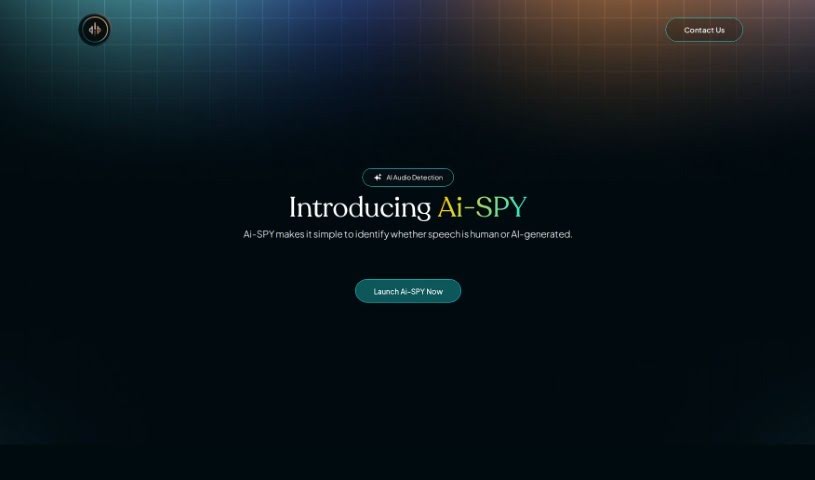
What is Ai SPY?
Ai-SPY is a smart tool that uses artificial intelligence to figure out if audio was made by a person or an AI. It works by taking the audio files you upload and running them through a special algorithm. This algorithm has learned from millions of audio samples, so it’s pretty good at spotting differences. It then gives you a percentage score showing how likely it is that the audio is AI-generated. The main idea behind Ai-SPY is to help make the internet a more honest place. By identifying audio that might be faked or manipulated, it helps protect against scams and copyright issues. Plus, it can help protect your reputation by confirming your audio is real, giving you peace of mind about the sounds you hear online.
Who created Ai SPY?
Ai-SPY was developed by a company that shares the same name, Ai-SPY. Essentially, it’s an AI tool designed to detect and identify whether audio content comes from a human or an AI. The way it works is by analyzing audio files that users upload. It uses a unique algorithm, which has been trained on a massive library of millions of audio samples, to make this determination. Ai-SPY’s goal is to foster a more authentic online experience by helping people spot audio that’s been manipulated. It first launched on July 11, 2023, though details about the founder aren’t readily available in the information provided.
What is Ai SPY used for?
Ai SPY has a lot of practical uses, mainly centered around verifying audio authenticity:
- Protecting Copyright: It helps ensure audio content is original and not infringing on copyright.
- Managing Reputation: By confirming audio is authentic, it helps prevent misinformation or misrepresentation that could harm someone’s reputation.
- Preventing Fraud: It guards against scams by identifying manipulated audio that might be used with fraudulent intent.
- Authenticating Content: It confirms the origin and genuine nature of audio materials.
- Creating a Genuine Internet: It helps users tell the difference between audio made by humans and audio made by AI, leading to more trustworthy online interactions.
- Providing Peace of Mind: Users can feel more secure knowing they can identify the source of the audio they’re listening to.
- Understanding Audio Sources: It helps users clarify whether audio content was created by humans or AI systems.
- Versatile Analysis: It can analyze audio files regardless of their type or genre.
- Validating Origins: It confirms the source of audio content, offering a more trustworthy online experience.
- Knowing the Source: It helps users understand where the audio they interact with comes from, contributing to a more genuine online experience.
- Copyright Protection: It specifically helps protect against copyright infringement.
- Reputation Management: It assists in mitigating reputational risks.
- Fraud Prevention: It helps guard against potential fraud.
- Content Authentication: It serves to authenticate audio content.
- Genuine Interactions: It promotes authentic online interactions.
- User Peace of Mind: It ensures users have peace of mind.
- Origin Validation: It validates the origin of audio content.
- Clear Communication: It enables definitive communication through audio analysis.
- Authentication Support: It offers support for audio content authentication.
- Understanding Authenticity: It helps users understand the authenticity and origin of audio content.
- Verifying Authenticity: It verifies the authenticity of audio content.
- User Confidence: It provides peace of mind to users.
- Discerning Content: It helps users distinguish between human and AI-generated audio.
- Reducing Deception: It alleviates concerns over deception or misrepresentation.
- Enhancing Online Experience: It improves the internet experience by ensuring content authenticity.
- Reputational Safeguard: It mitigates reputational risks by confirming audio content authenticity.
- Fraud Detection: It guards against potential fraud by determining the authenticity of audio materials.
- Origin Confirmation: It authenticates audio content to confirm its origin.
- Promoting Authenticity: It promotes genuine online interactions by authenticating audio sources.
- User Assurance: It provides users with peace of mind regarding the origin of audio content.
- Source Identification: It helps users know the source of the audio content they engage with for a more genuine online experience.
- Protection Against Manipulation: It aids in protecting against manipulated or artificially produced audio content.
- Genuine Communication: It validates audio content origin to ensure genuine communication.
- Addressing Misrepresentation: It alleviates concerns over deception or misrepresentation in audio content.
- Detecting Fraud: It guards against potential fraud by detecting manipulated audio content.
- Identifying Manipulation: It promotes genuine online interactions by identifying manipulated audio.
- Genuine Experience: It provides a more ‘genuine’ internet experience by discerning between human and AI-generated audio.
- Source Awareness: It helps users know the source of the audio content they engage with.
- Definitive Communication: It validates audio content origin for definitive communication.
- Authenticity Assurance: It ensures peace of mind through understanding the authenticity and origin of audio content.
- AI vs. Human Detection: It detects whether audio content is generated by humans or AI.
- Copyright Protection: It protects against copyright infringement by verifying the authenticity of audio content.
- Genuine Internet Experience: It provides users with a more genuine internet experience by discerning between AI-generated and human-generated audio.
- Waveform Analysis: It analyzes waveform patterns to differentiate between human-generated and AI-generated audio.
- AI Validation: It validates audio content origin through advanced artificial intelligence.
- Peace of Mind: It ensures peace of mind by understanding the authenticity and origin of audio content.
- Authentic Communication: It supports genuine online interactions and definitive communication through audio authentication.
- Verify Authenticity: It verifies the authenticity of audio content.
- Detect Artificial Audio: It determines if audio is artificially produced.
- Mitigate Risks: It mitigates reputational risks.
- Guard Against Fraud: It guards against potential fraud.
- User Peace: It provides peace of mind to users.
- Authenticate Origin: It authenticates audio content origin.
- Protect Rights: It protects copyright.
- Promote Honesty: It promotes genuine online interactions.
- Identify Fakes: It helps users identify manipulated audio.
- Reduce Deception Concerns: It alleviates concerns over deception.
Who is Ai SPY for?
Ai SPY is useful for a variety of professionals and individuals who deal with audio content and need to ensure its authenticity:
- Content Creators: To verify their own audio or content from others.
- Journalists: To authenticate sources and interview recordings.
- Law Enforcement Professionals: For analyzing evidence and recordings.
- Audio Content Creators: Ensuring the integrity of their work.
- Copyright Experts: To protect intellectual property.
- Fraud Prevention Specialists: Identifying fraudulent audio materials.
- Media Editors: Verifying the authenticity of audio clips.
- Intellectual Property Lawyers: For legal cases involving audio.
- Copyright Enforcement Agencies: To track and prevent infringement.
- Music Producers: Authenticating samples or vocal tracks.
- Brands/Advertisers: Ensuring the authenticity of marketing audio.
- Media Outlets: Maintaining credibility with verified audio.
- Musicians: Protecting their original work.
- Voiceover Artists: Confirming the origin of their performances.
- Podcasters: Ensuring the authenticity of guest interviews and content.
- Audio Content Producers: For overall quality and authenticity checks.
- PR/Marketing Professionals: Protecting brand reputation.
- Entertainment Industry Professionals: Verifying audio authenticity in productions.
- Law Enforcement: For investigative purposes.
- Media Professionals: Maintaining journalistic integrity.
- Voiceworkers: Confirming the origin of their vocal performances.
How to use Ai SPY?
Using AI Spy is pretty straightforward. Here’s how you can do it:
- First, upload the audio file you want to analyze directly into the AI Spy tool.
- Next, the AI Spy tool will get to work. It uses its special algorithm, which has been trained on millions of audio samples, to look for any unusual patterns in your uploaded audio.
- The tool specifically analyzes waveform patterns to figure out if the audio was created by a human or generated by an AI.
- After its analysis, AI Spy will give you feedback, letting you know whether the audio file was created by a human or an AI system.
- It’s really helpful for protecting against copyright infringement because it verifies the authenticity of audio content.
- Ai SPY also helps reduce reputational risks by confirming that audio content is authentic and guarding against potential fraud.
- By ensuring the authenticity of the audio content users engage with, Ai Spy helps promote more genuine online interactions.
- You can easily use the tool on your iOS mobile device, as there’s a dedicated app designed for simple access and a better user experience.
- Stay updated by following AI Spy on social media platforms like Twitter and Instagram for the latest news and information.